
2024 Environmental Awards
[Group-1]
1. Environmentally and human-friendly thick-layer soil spraying method for additional forest decontamination
- Kajima Corp.
Contributors (Japanese)
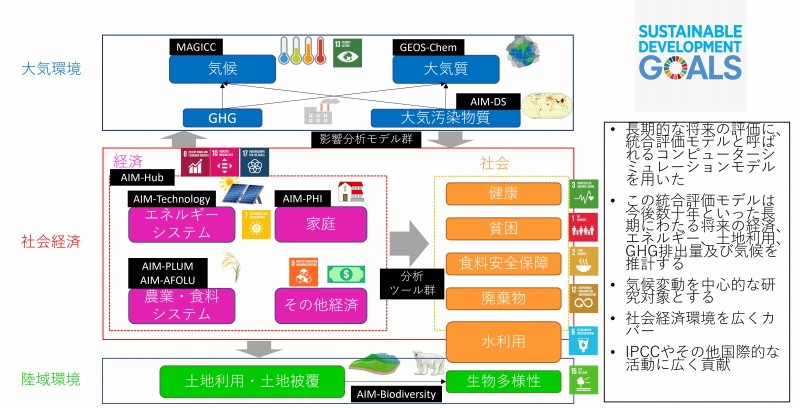
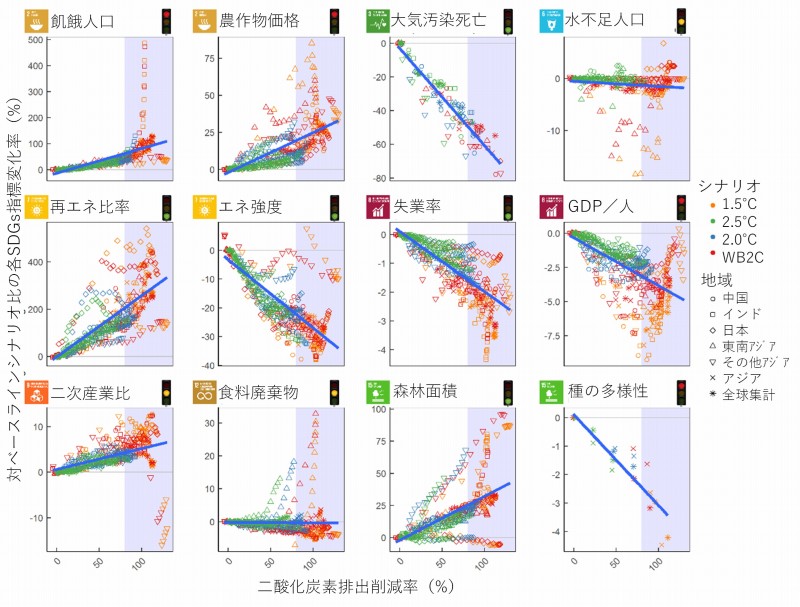
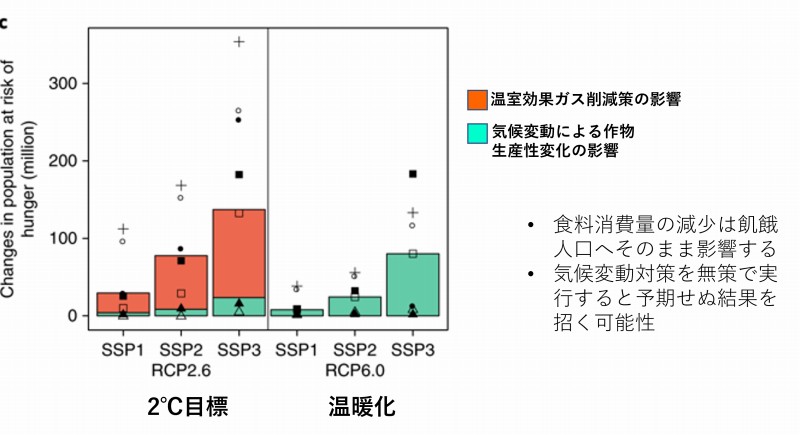
Decarbonization of the society is an urgent issue, but reducing GHG emissions can affect society unintendedly as a whole and there could be environmental issues other than climate change. Therefore, this study clarified the side effects of GHG emission reductions on society and the environment by adding a novel method for assessing the poverty, hunger, and biodiversity to the integrated assessment model which is typically used for estimating long-term socio-economic and energy systems, land use, and GHG emissions. The results indicate that GHG reduction measures in the form of simple carbon pricing can have negative impacts on hunger, poverty, and biodiversity.
2. Development of environmentally friendly concrete using biochar that contributes to carbon dioxide removal
- Shimizu Corp.
Contributors (Japanese)
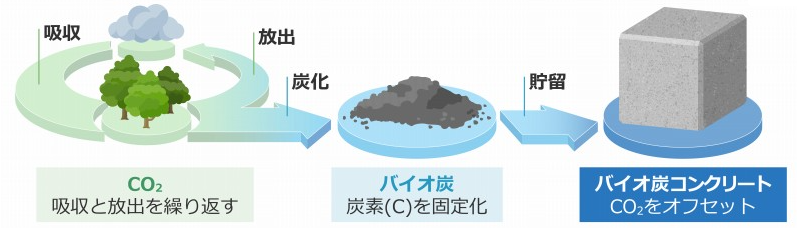
In this study, we developed an environmentally friendly concrete that stores carbon in concrete structures by using biochar, a carbonization of woody biomass, in concrete. This technology uses carbon-negative biochar that can fix approximately 2.3 kg of CO2 per kg, after subtracting the CO2 emissions associated with its production. The biochar concrete can be produced using existing ready-mixed concrete plant facilities and is controllable as the same quality (fresh and mechanical properties, durability, etc.) of ordinary concrete, making it highly versatile. It can also be pumped for on-site construction. This would become an indispensable carbon storage technology for the future decarbonized society.
3. Development of “TRUCKSCAN” technology for measuring radioactive concentration of vehicle loads
- Obayashi Corp.
Contributors (Japanese)
This is groundbreaking technology that has achieved safety and work efficiency in radioactivity measurement by simultaneously measuring and recording the radioactivity concentration of each bag with high precision while multiple large sandbags are loaded onto the bed of a transport vehicle. The main feature of the system is that it has developed a calculation method that can take into account the impact of different loading positions of large sandbags on each transport vehicle, which can affect measurement errors. This makes it possible to measure radiation concentrations with high accuracy for a wide range of concentrations, including not only large sandbags, but also various other packaging shapes and high concentrations exceeding 100,000 Bq/kg.
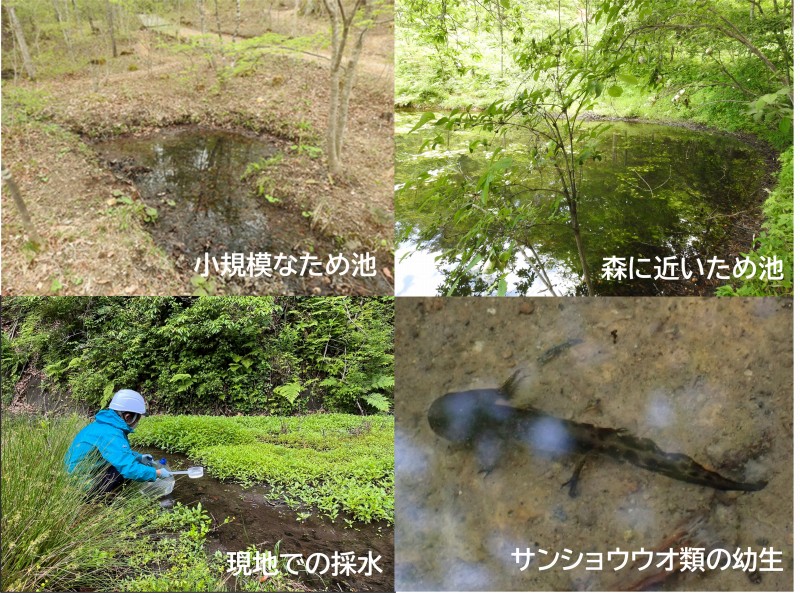
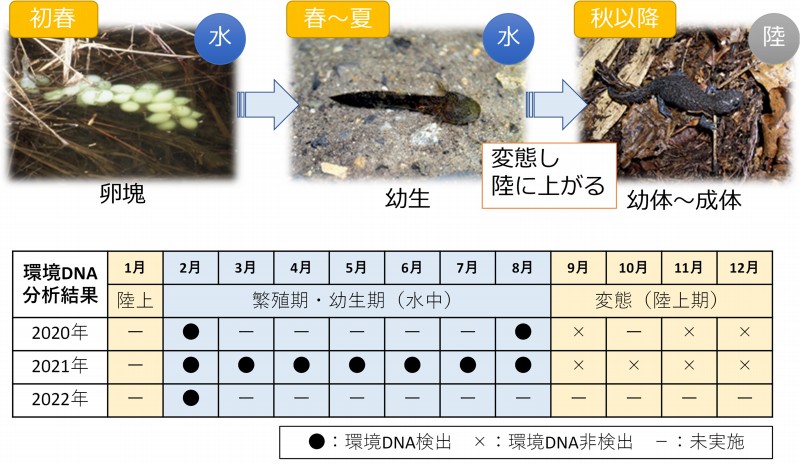
Our group focused on environmental DNA analysis, which is a method to analyze DNA from biological tissue fragments or excrement. We conducted the research to evaluate applicability of this method on three construction sites. This project was praised for demonstrating the excellent applicability of environmental DNA analysis which was worth this award.
[Group-2]
1. Regeneration of Rice Terraces in Sangamura District, Tokamachi City
- Kajima Corporation, Juridical Agricultural Union Fureai Farm Sangamura
Contributors (Japanese)
Terraced rice fields offer numerous benefits, including flood mitigation, landslide prevention, landscape preservation, and biodiversity conservation. However, a decline in the number of farmers due to unfavorable conditions has resulted in an increase in abandoned farmland, which raises disaster risks and contributes to the loss of biodiversity.
This project in Sangamura, Tokamachi City, Niigata Prefecture, aims to establish a sustainable model by integrating smart technology and civil engineering techniques. The project includes optimizing LPWA communication bases, enhancing management efficiency, and visualizing the benefits, such as reduced flood risk, improved biodiversity conservation, and the creation of carbon credit. These initiatives aim to build a sustainable terraced rice field model and emphasize its importance as social infrastructure.
2. Co-creation of Multi-functional Green infrastructural Wetland through Industry-government-academia-government Collaboration utilizing Unused Agricultural Land
- Shimizu Corp., National Institute for Environmental Studies, Tomisato City, Earthwatch Japan, NPO Tomisato-no-hotaru, Oshidori-no-sato, Yatsu-Mirai, Nagamura Lab at College of Industrial Technology of Nihon University.
Contributors (Japanese)
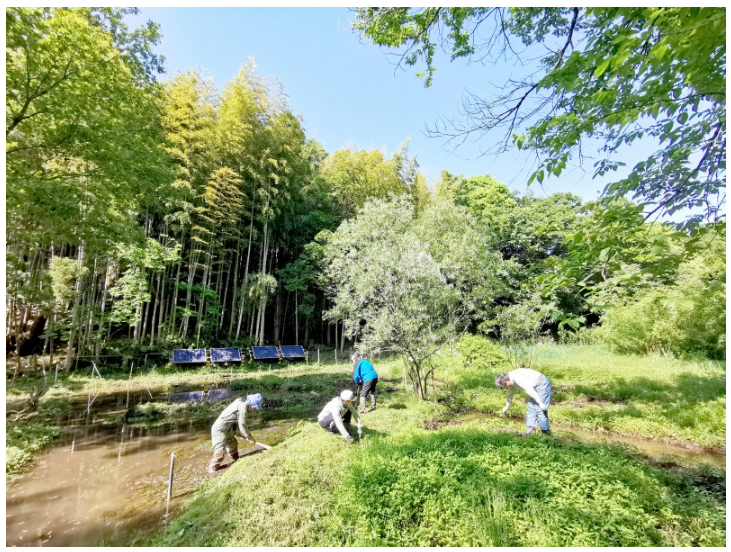
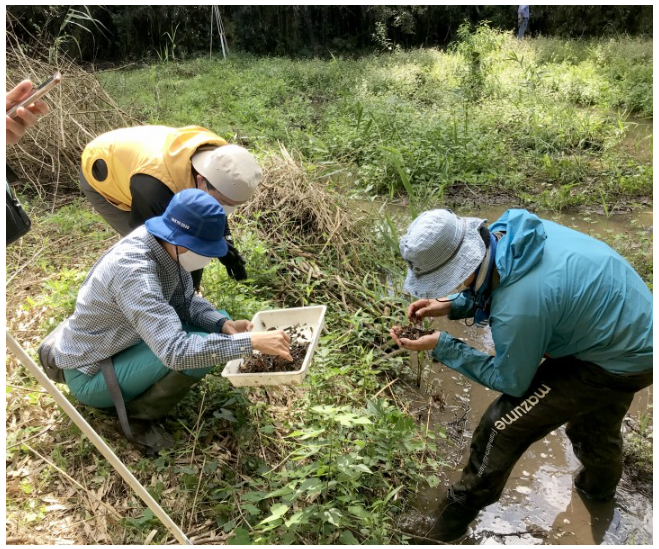
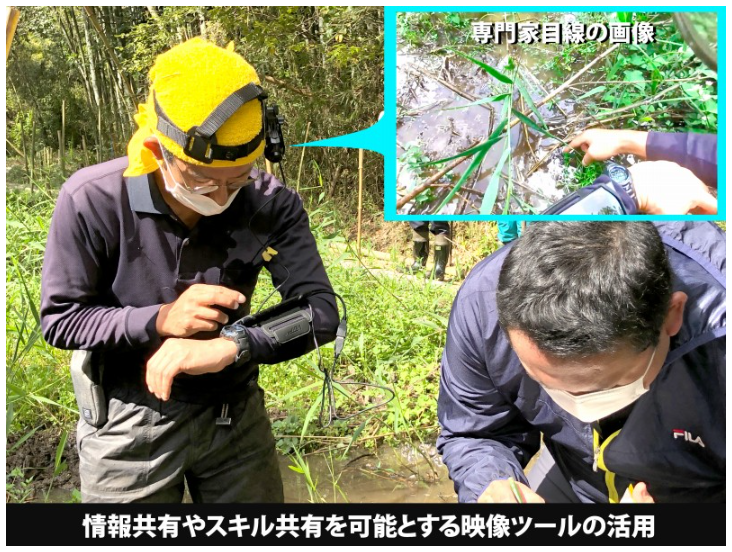
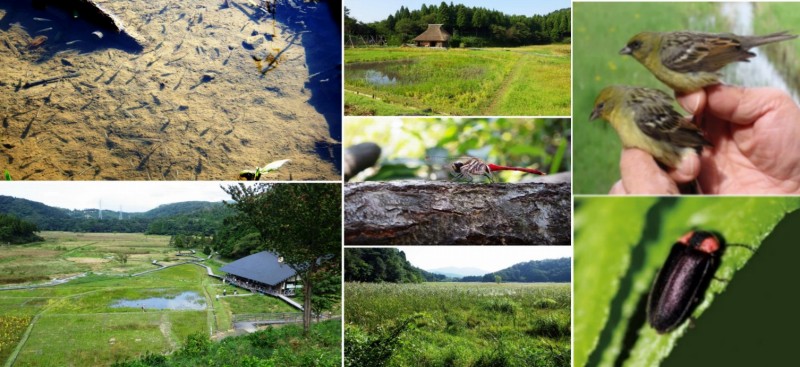
“Yatsubori-no-Shimizu-Yatsu” is located in Tomisato city, Chiba. Yatsu is a dialect for valleys with spring in North Chiba, which were used as rice patties until 20-year ago. The team converted an unused agricultural Yatsu into a wetland green infrastructure (WGI) to achieve multi-functionality in both emergency and normal conditions. To further implement WGI creation utilizing Yatsu the team challenged to solve three main issues: scientific and quantitative verification of WGU’s multi-functionality, reduction of maintenance burden incorporating digital technologies, and creation of new relationships between people and nature by hosting varieties events with different purposes and offered opportunities to understand WGI’s diverse services.

