
2024 Outstanding Civil Engineering Achievement Award
[Group-1]
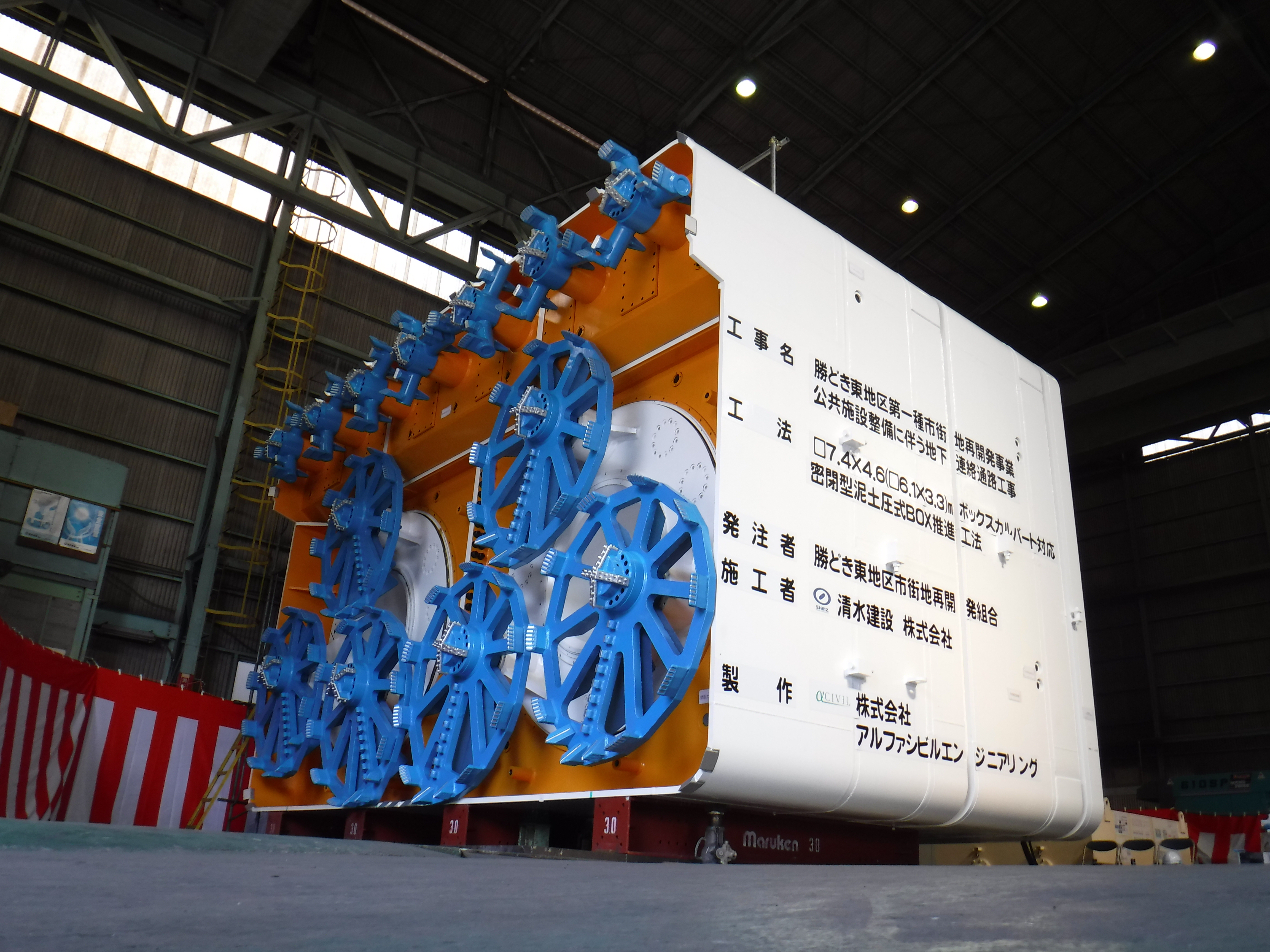
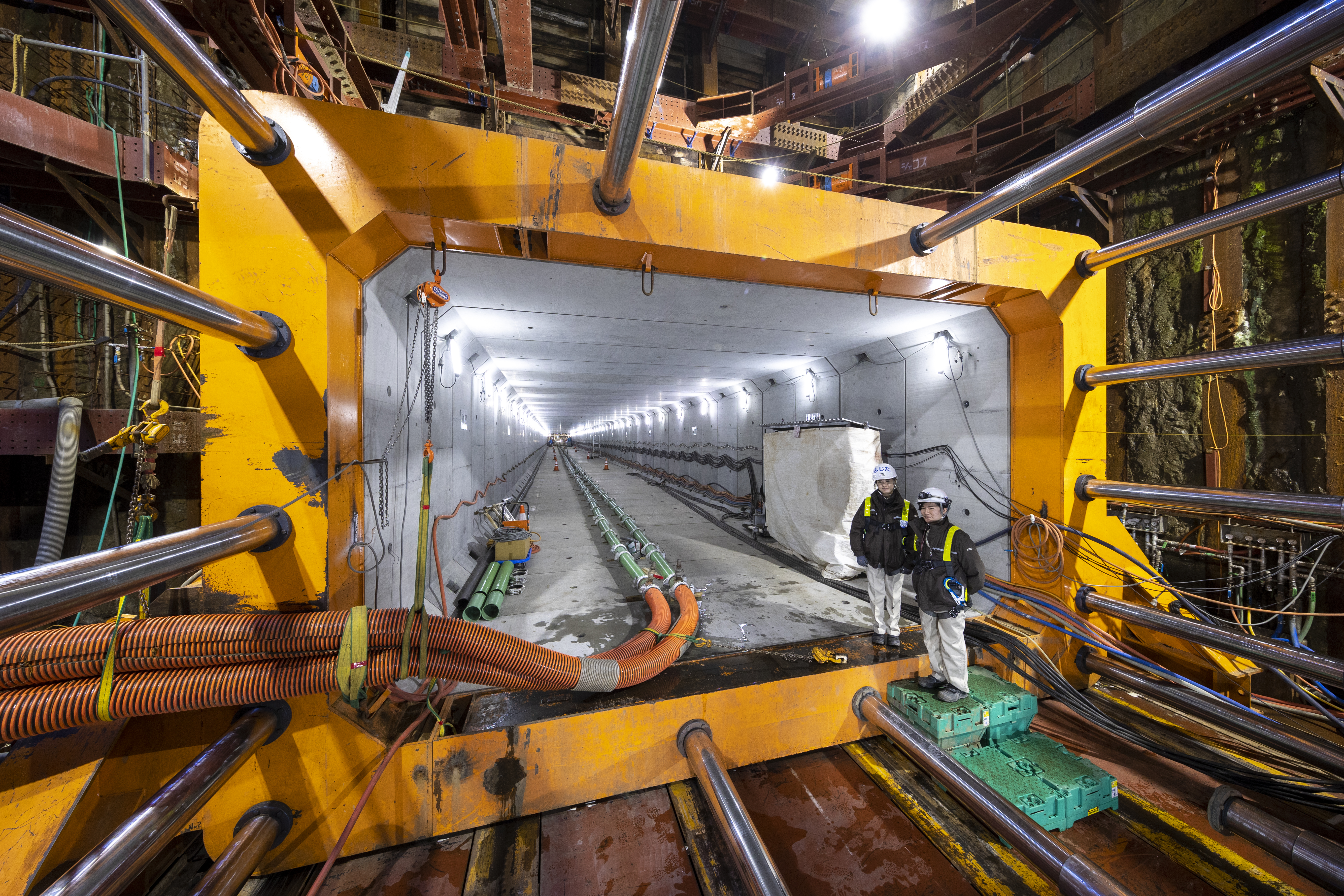
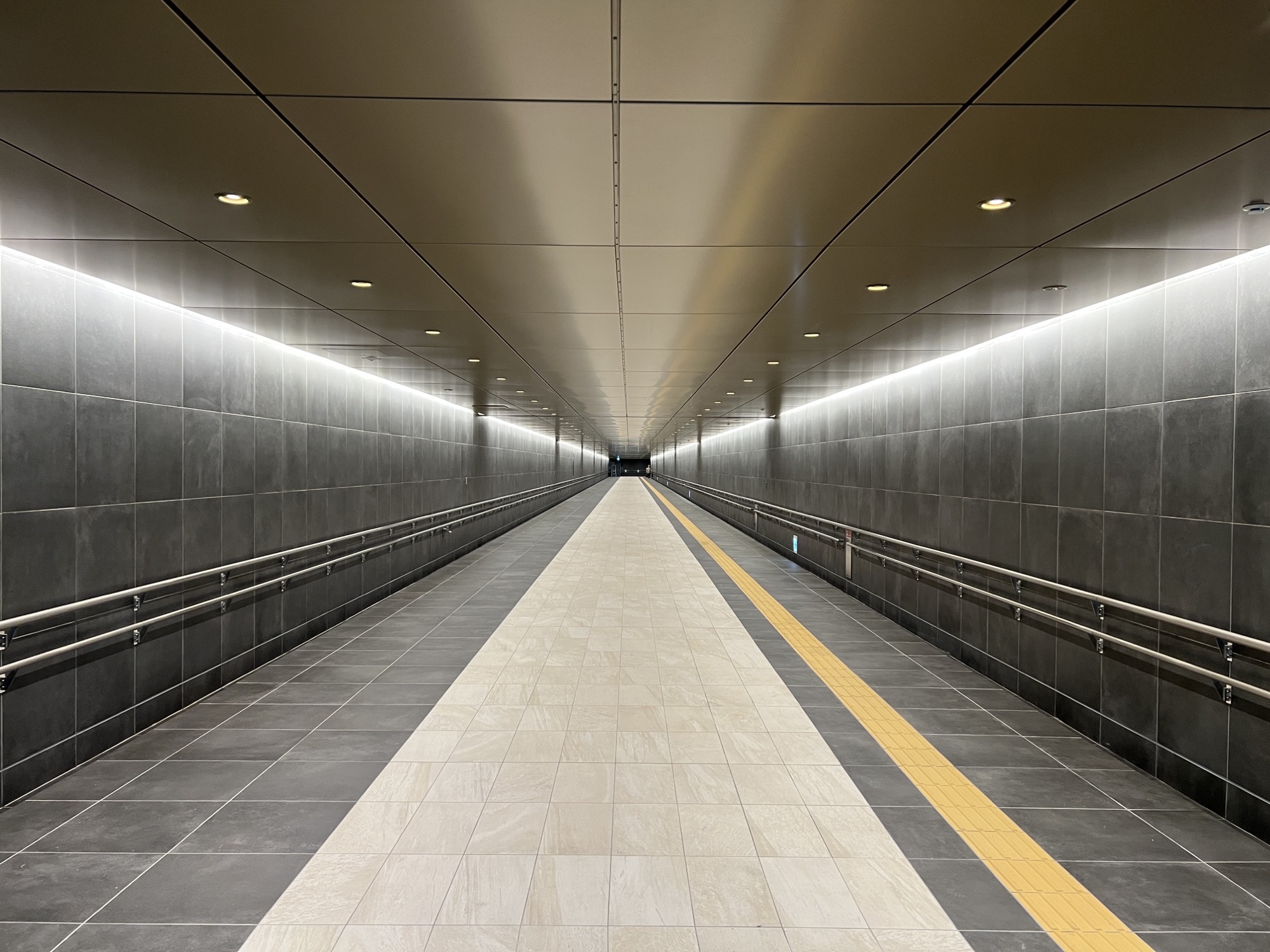
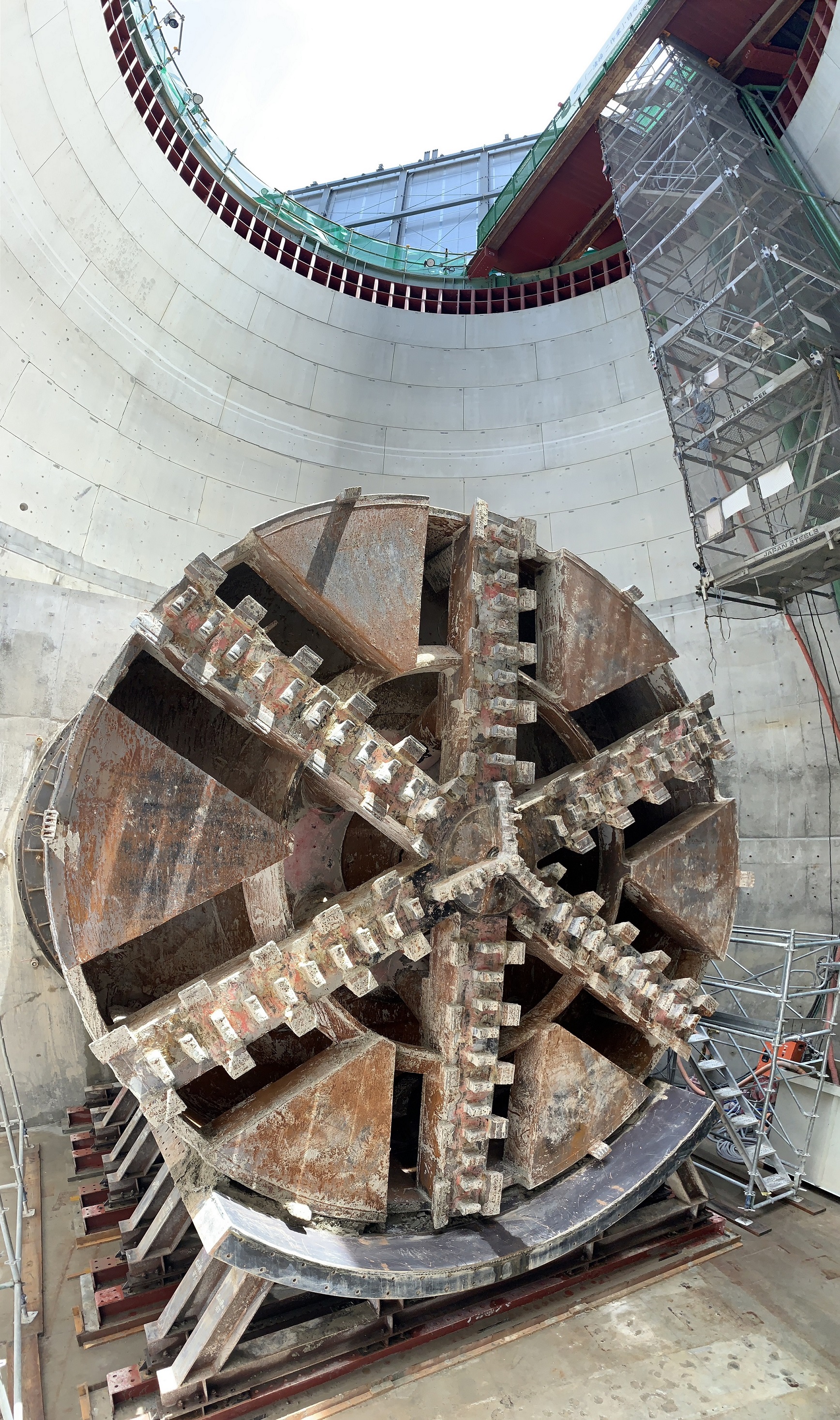
1.Sharp curves tunnelling in sand and gravel ground and tunneling under the JR line, by earth pressure shield method.
(using AI for improving productivity)
- Himeji City Water and Sewerage Bureau
- Japan Sewage Works Agency Kinki Office
- Shimizu-Morinaga-Utaka Joint Venture
Himeji City constructed a 2,334m length spillway to prevent frequent flooding in the Shioiri River basins. The project involved an earth pressure shield with a 4,080 mm outer diameter, a 3,500 mm inner diameter, and a 1,526 m length, including a sharp curve (R = 30 m) and a section crossing 1.7 m beneath JR Sanyo Main Line piles. Four major challenges were addressed, including ground conditions, sharp curves, proximity to railway infrastructure, and labor shortages, ensuring successful completion. The project was recognized for its technological significance and awarded the Technology Award.
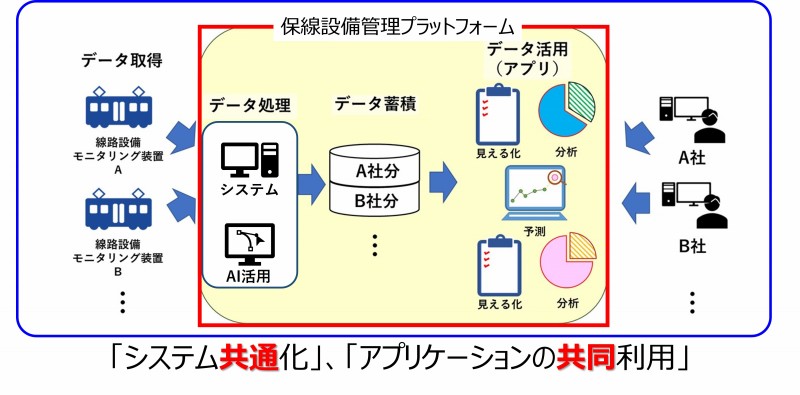
2. Coordination of track maintenance by developing a common platform for monitoring data of track component
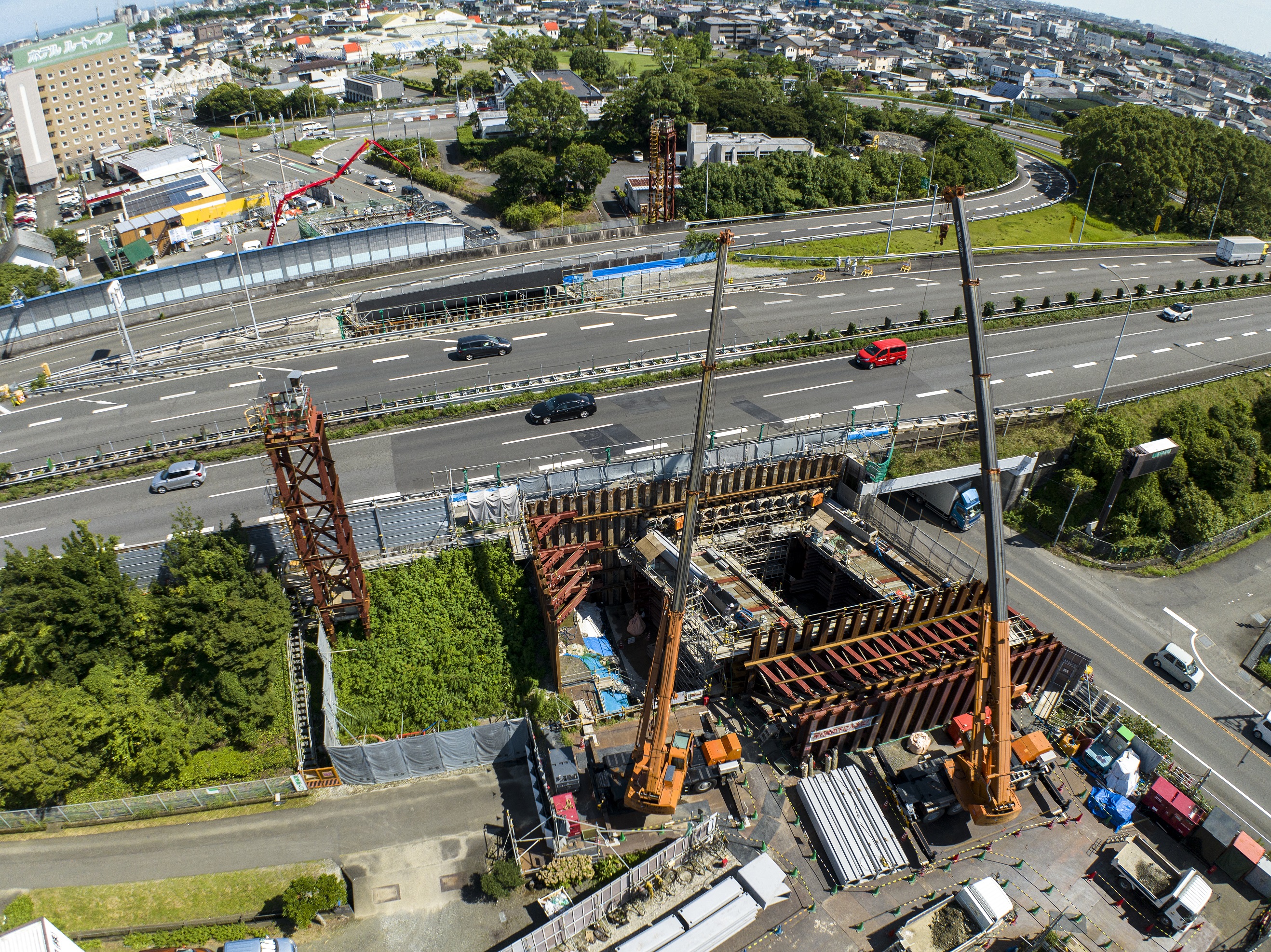
(First box propulsion construction using R&C + ESA construction method using large cross-section precast boxes)
- Japan Railway Track Consultants Co., Ltd.
- Odakyu Electric Railway Co., Ltd.
- TOKYU RAILWAYS Co., Ltd.
- Tokyo Metro Co., Ltd.
- East Japan Railway Company
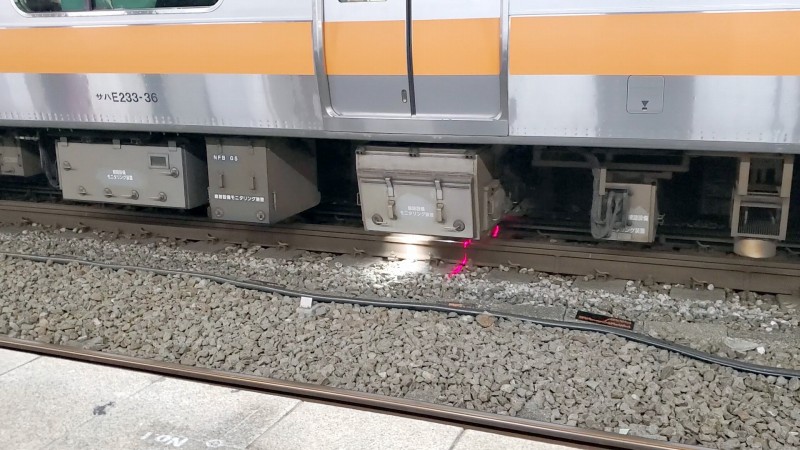
Although each railroad operator has common technical issues, they have developed individual systems to solve them because of differences in technical standards and maintenance methods. Recently, railway operators have been introducing track component monitoring, and a system specialized for track component monitoring was needed. Japan Railway Track Consultants Co., Ltd. has developed a system that can be used commonly by all railway operators as a common platform. In addition, it was decided to jointly solve common problems in track maintenance through the platform. For this purpose, a consortium was formed, and its members are aiming for efficient maintenance by utilizing monitoring data.
3. Construction of an open-cut tunnel and EPB (Earth Pressure Balanced) shield tunnels on reclaimed land for the Osaka-Kansai Expo.

- Osaka Ports and Harbors Bureau
- Osaka Metro Co., Ltd.
- Joint Venture of Obayashi Corp., Kumagai Gumi Co.,Ltd., Tokyu Construction Co.,LTD. and Toyo Construction Co.,LTD.
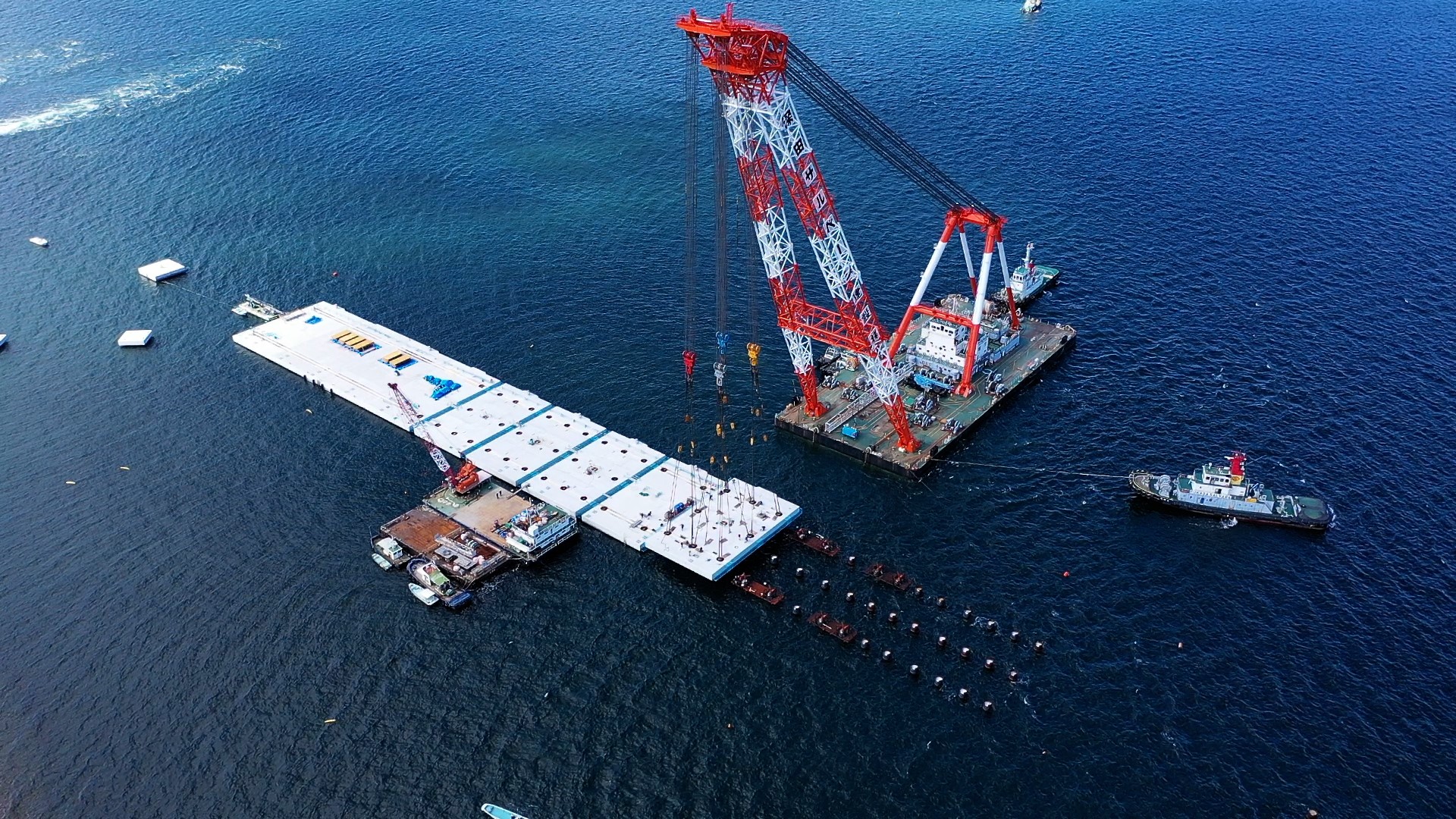
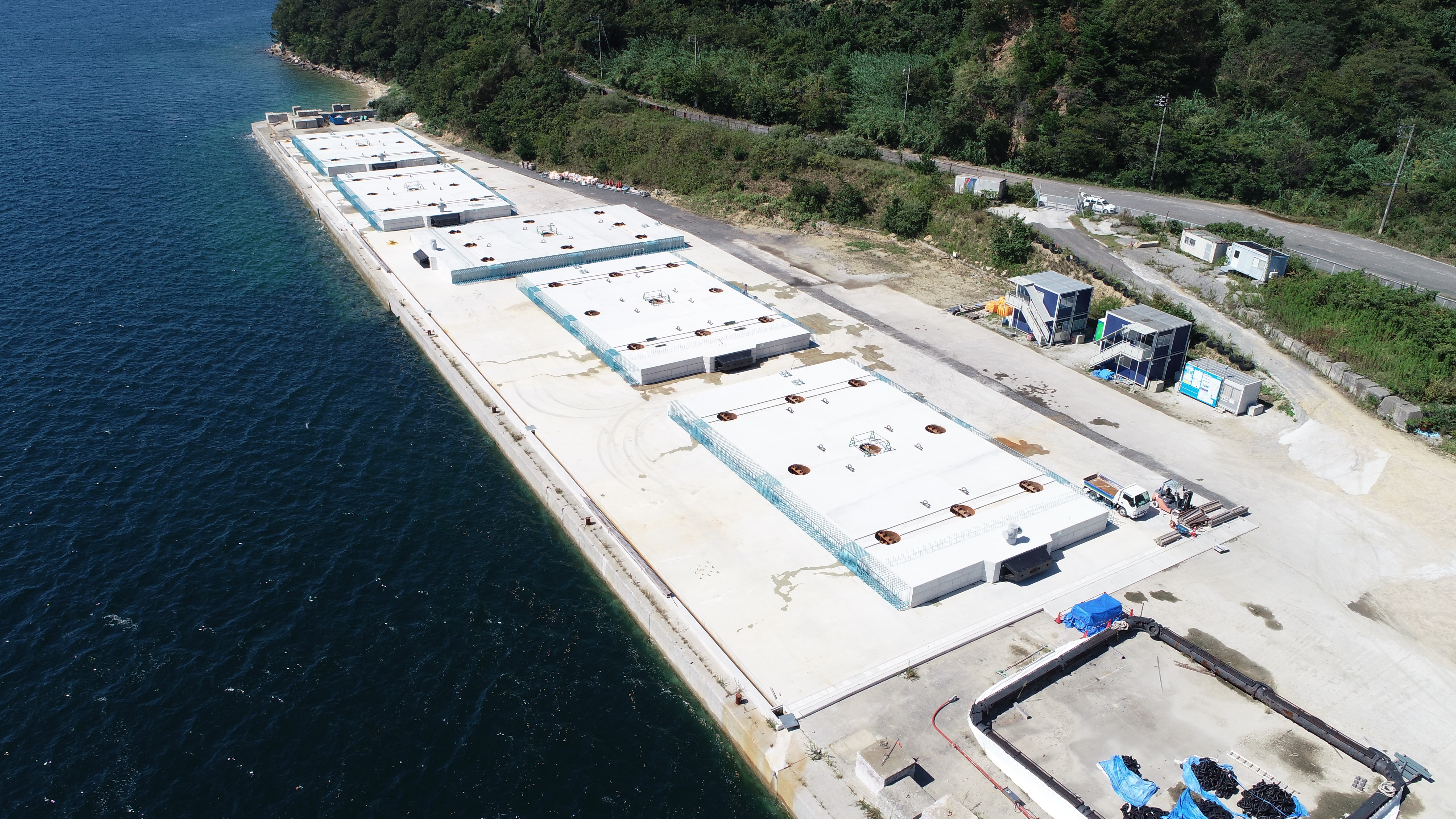
The project extended the subway to the artificial island "Yumeshima" for the Osaka-Kansai Expo 2025, including the construction of a new station and underground structures. The site had soft reclaimed clay soil with drainage materials for consolidation acceleration. Despite these challenges, an open-cut tunnel (380m long, 17m deep, 20m wide) and shield tunnels (6.8m diameter, 760m long each) were constructed safely and efficiently. Ground improvement and the hammer strut method were used for the open-cut tunnel, while a special mechanized shield machine to cut the drainage materials and segments with elastic joints were used for the shield tunnels.
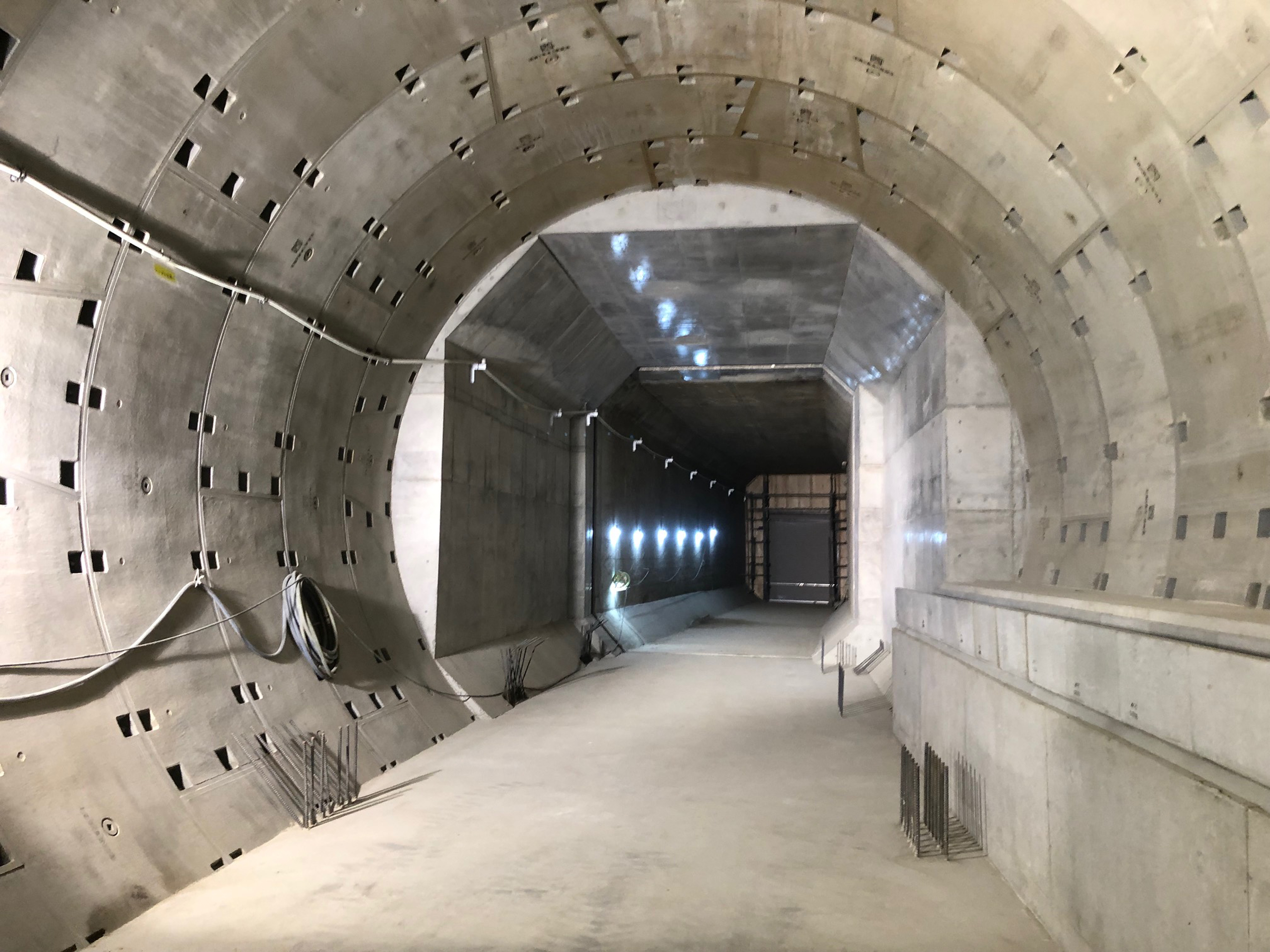
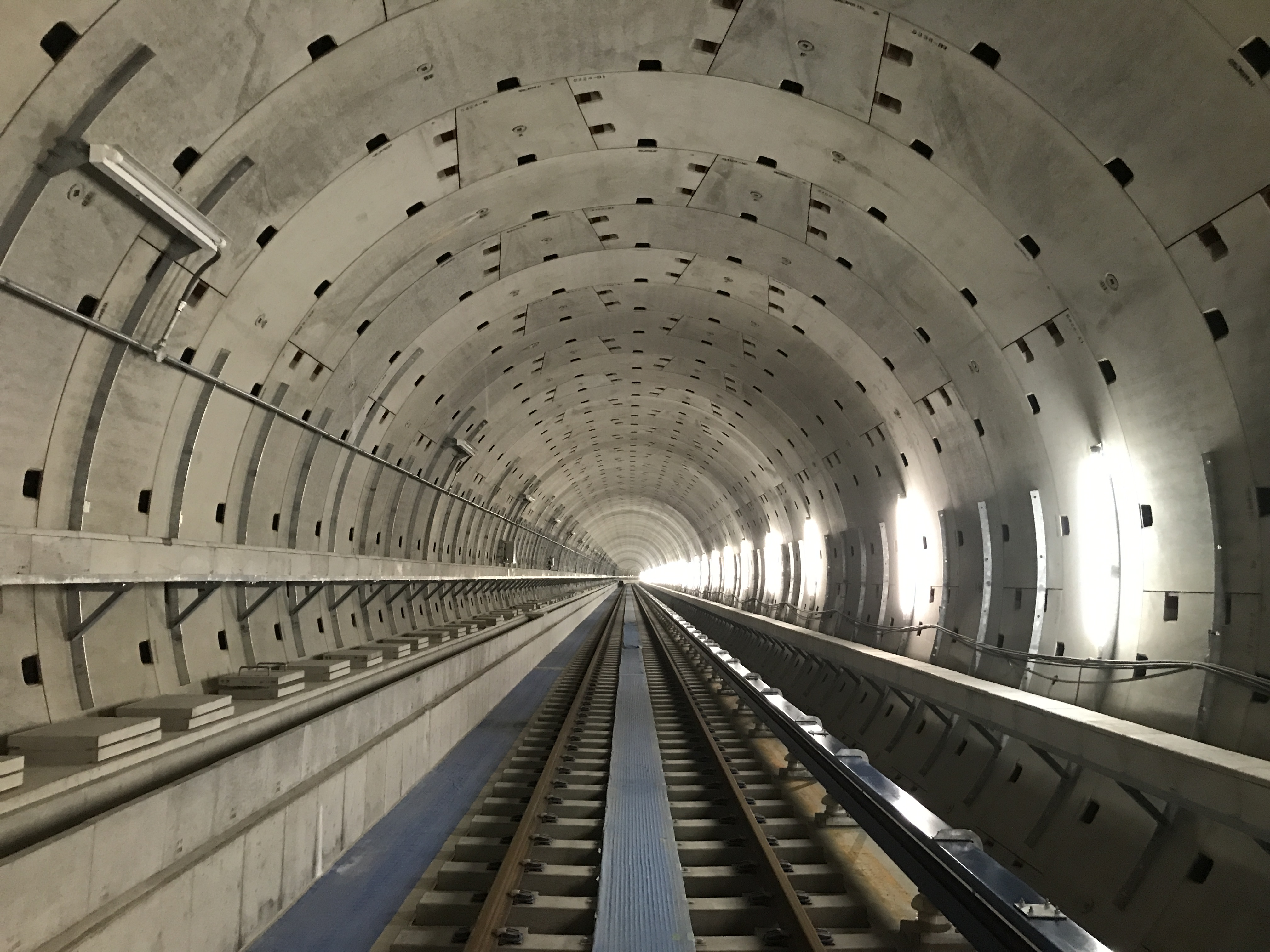
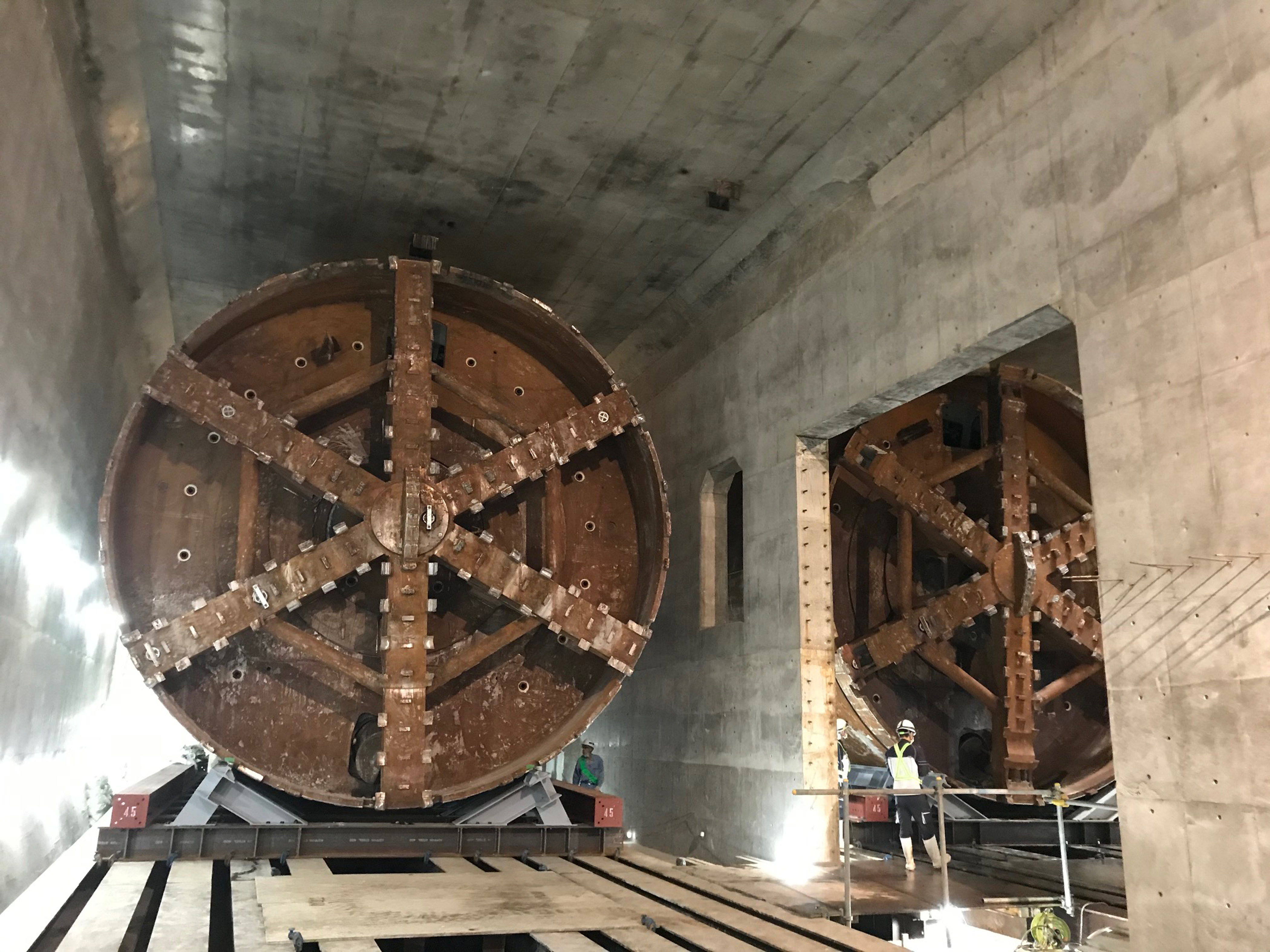
4. Achievement of Significant Reduction in Construction Delivery and Cost by Utilizing the ECI Method and BIM/CIM
- Shitara Dam Construction Office, Chubu Regional Development Bureau, Ministry of Land, Infrastructure, Transport and Tourism
- Eight-Japan Engineering Consultants Inc.
- Central Consultant Inc. Shimizu Corporation
This tunnel construction project is recognized for its outstanding integration of ECI management practices and advanced BIM/CIM information technologies, effectively addressing significant schedule and cost risks arising from challenging geological conditions. By adopting an innovative construction access solution involving auxiliary tunnels, the project enabled simultaneous execution of tunnel excavation and embankment works, significantly enhancing construction efficiency. Furthermore, real-time geological visualization and forecasting techniques facilitated precise decision-making and risk mitigation. The pioneering application of blockchain-based inspection systems further improved quality assurance. Consequently, the project achieved remarkable reductions in construction duration (34%) and costs (9%), substantially contributing to advancements in civil engineering.
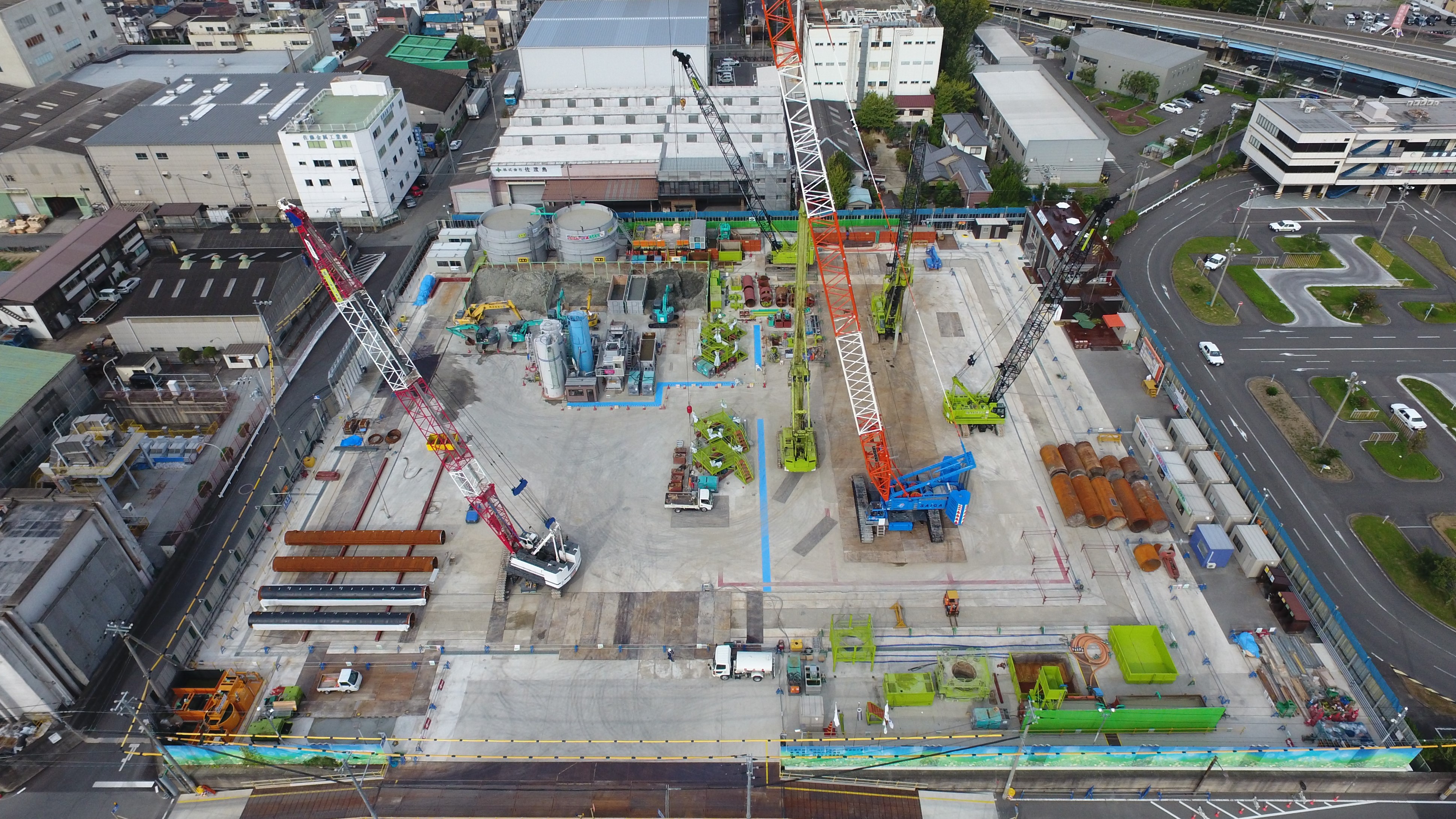
5. Labor-Saving Construction of Tunnel Lining with Low-Carbon Self-Compacting Concrete
- Saninseibu National Highway Office, Chugoku Regional Development Bureau, MLIT
- SATO KOGYO CO., LTD.
- GIFU INDUSTRY CO., LTD.
- Namacon Nagato Co., Ltd.
- Chugoku Koatsu Concrete Industries Co., Ltd.
- Chiba Institute of Technology
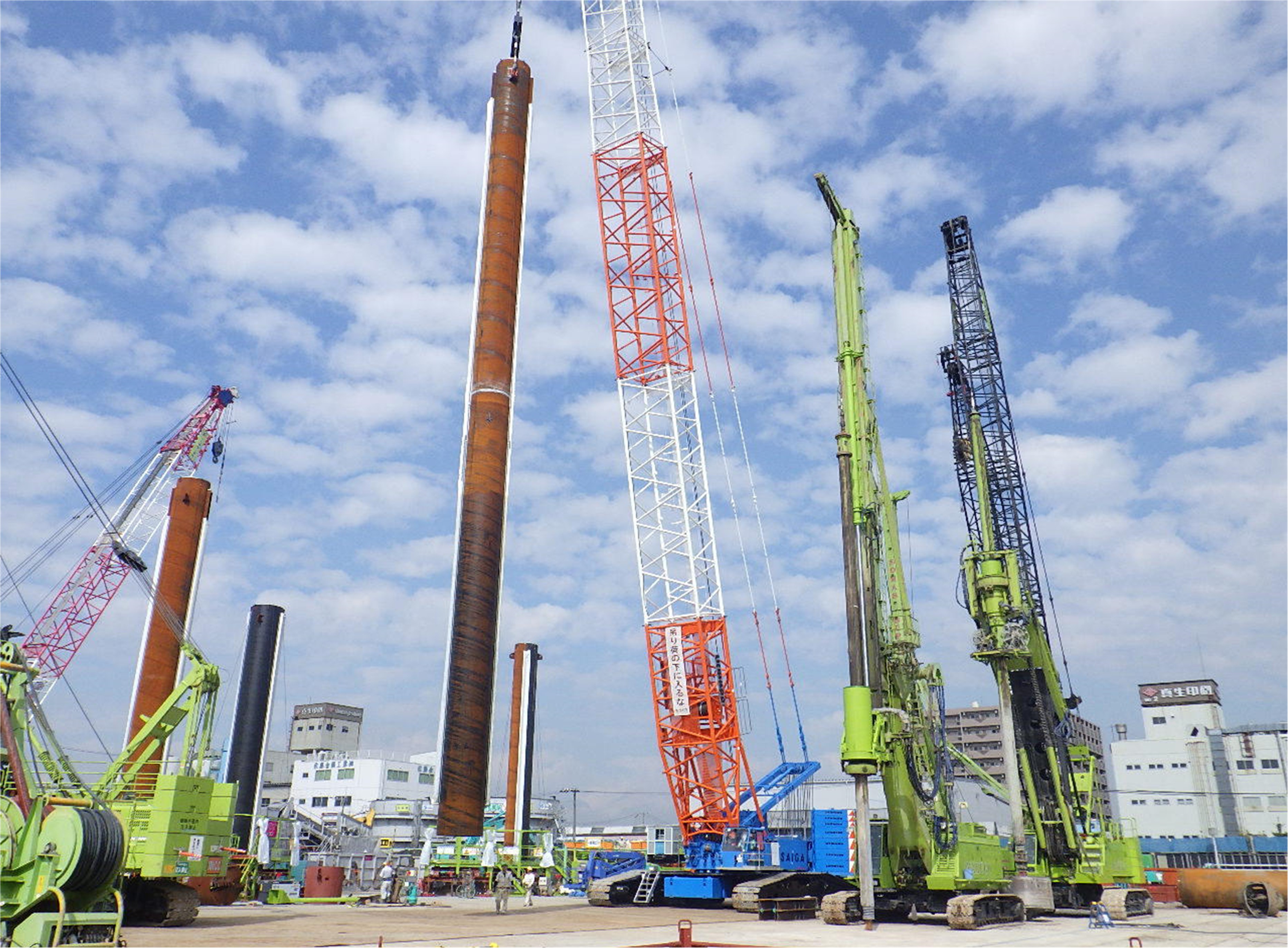
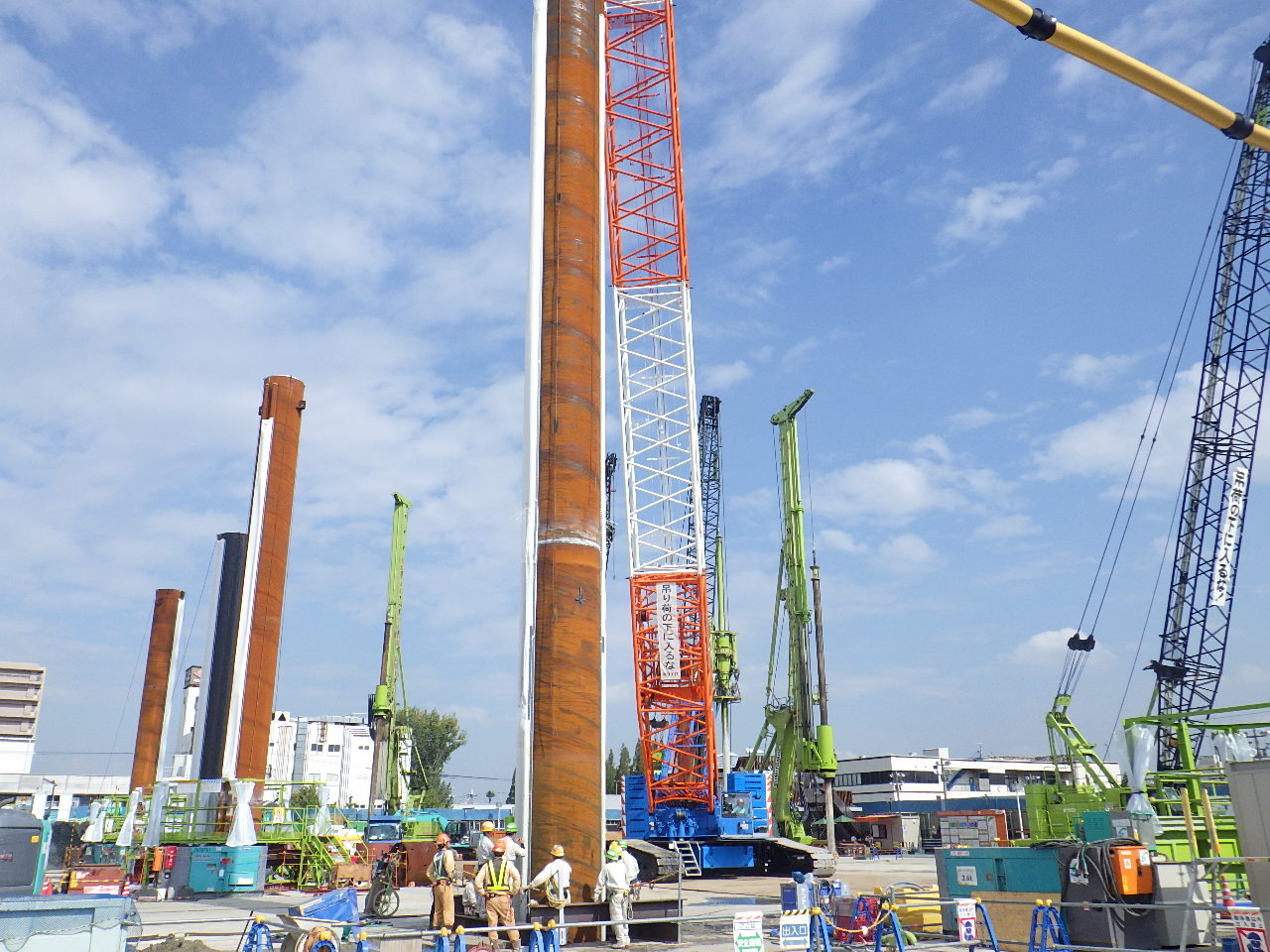
We applied both the Self-Compacting Concrete (SCC) Tunnel Lining System and Low-Carbon SCC” to improve productivity and reduce environmental impact in the Tawarayama-Toyota Road Tunnel No. 1 construction project in 2022. The Self-Compacting Concrete Tunnel Lining System is a construction method in which SCC is cast through injection holes placed at the lower end of lining formwork. This system requires no concrete consolidation and pipe switching, improving both productivity and the quality of lining concrete cast. Additionally, we applied Low-Carbon SCC to reduce CO2 emissions. Low-Carbon SCC replaces a portion of cement with an amount of fly ash, effectively reducing the carbon footprint of SCC.
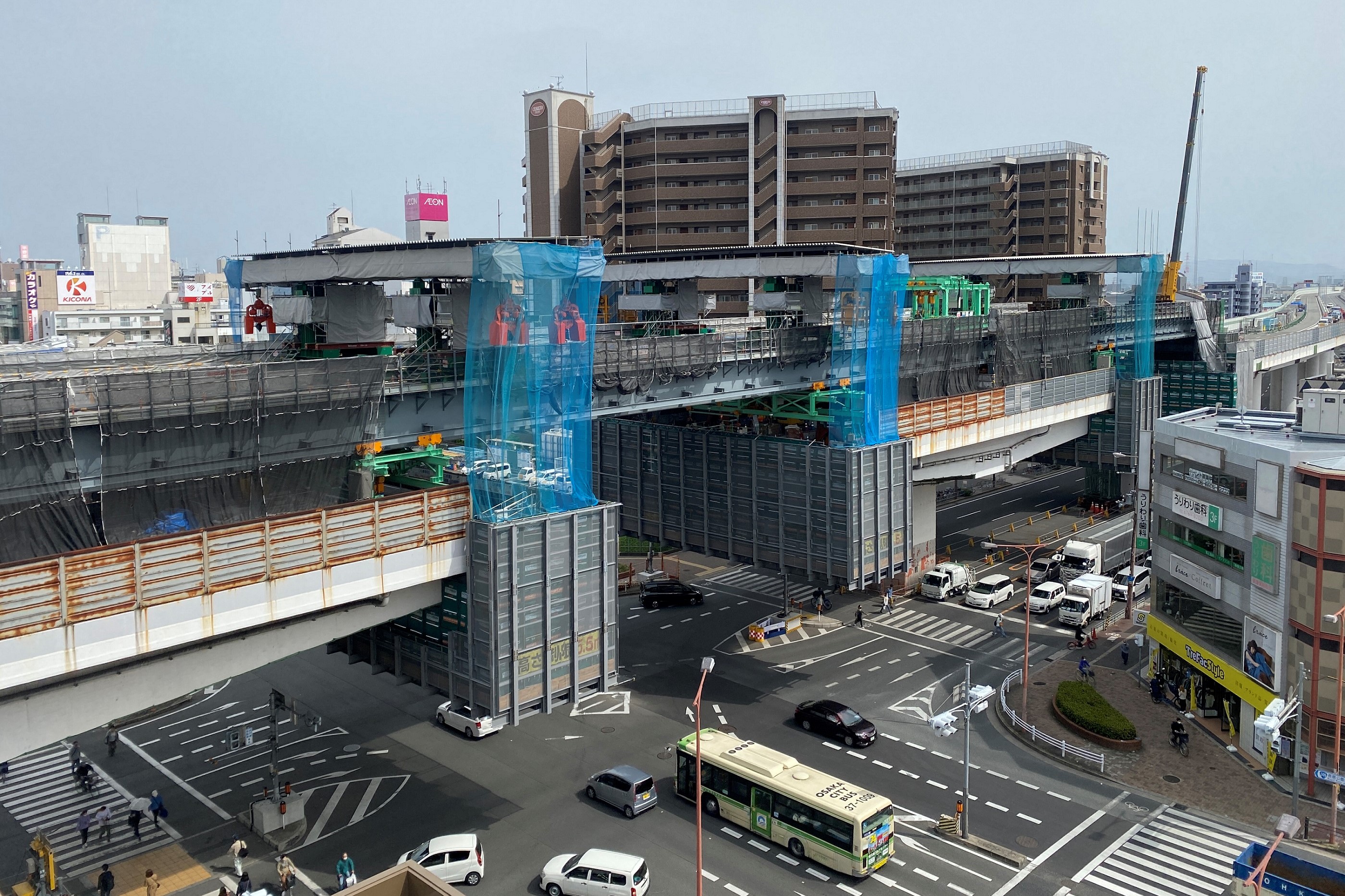
6. Application of Precast Blocks Manufactured by Construction 3D Printer to Large Civil Engineering Structure -R3 Submerged Bedrock Type Groyne on Seisho Coast
- Keihin Office of River MLIT
- Obayashi Corp.
This project aims to prevent coastal erosion. Initially planned with 52 precast panels, the design was revised to six complex blocks. By utilizing 3D printing for the shells of blocks, construction efficiency improved, construction period reduced, and safety enhanced. This innovative approach marks the first use of 3D printing in large-scale civil engineering in Japan, significantly reducing project risks and labor requirements while ensuring quality.
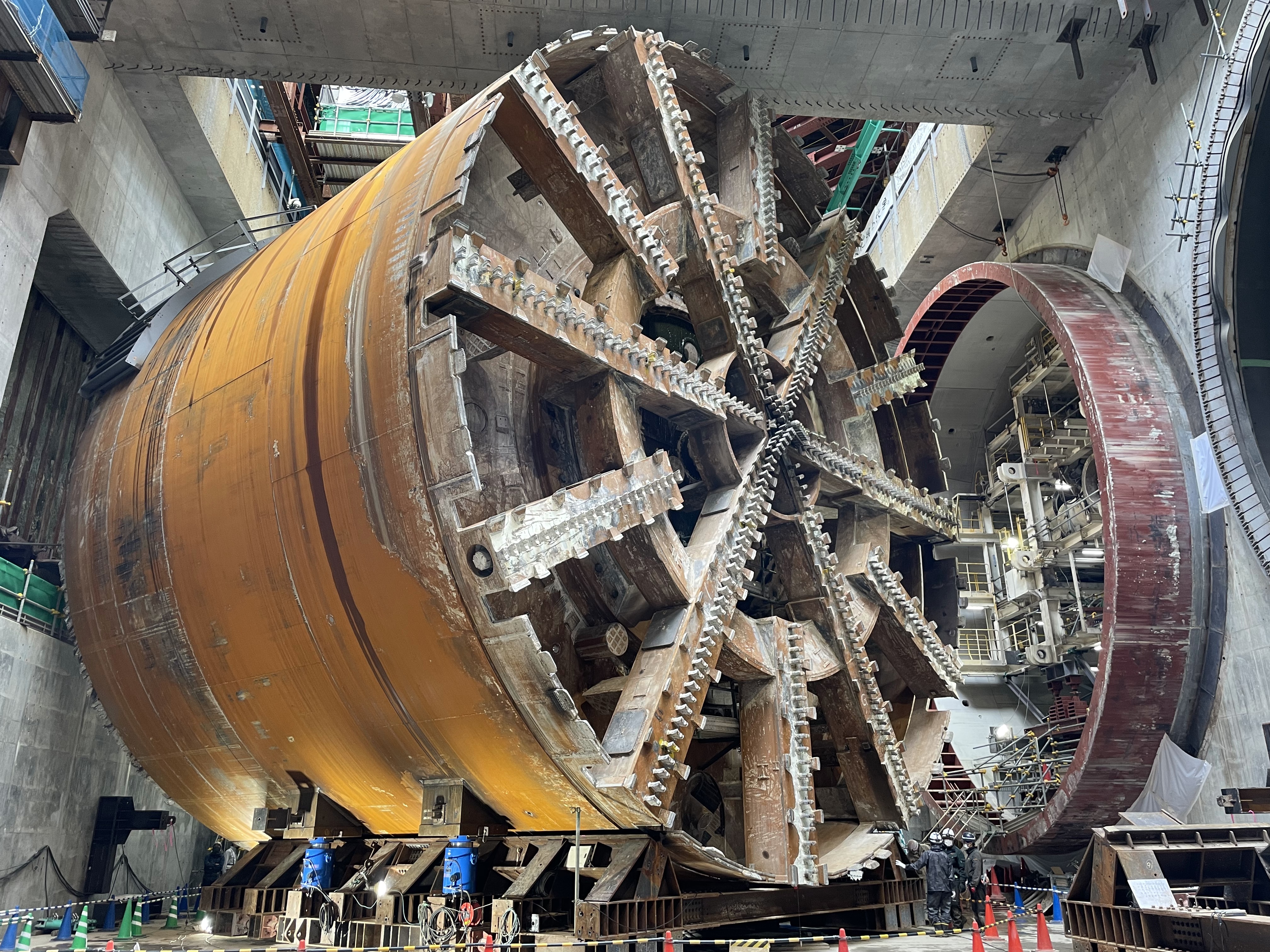
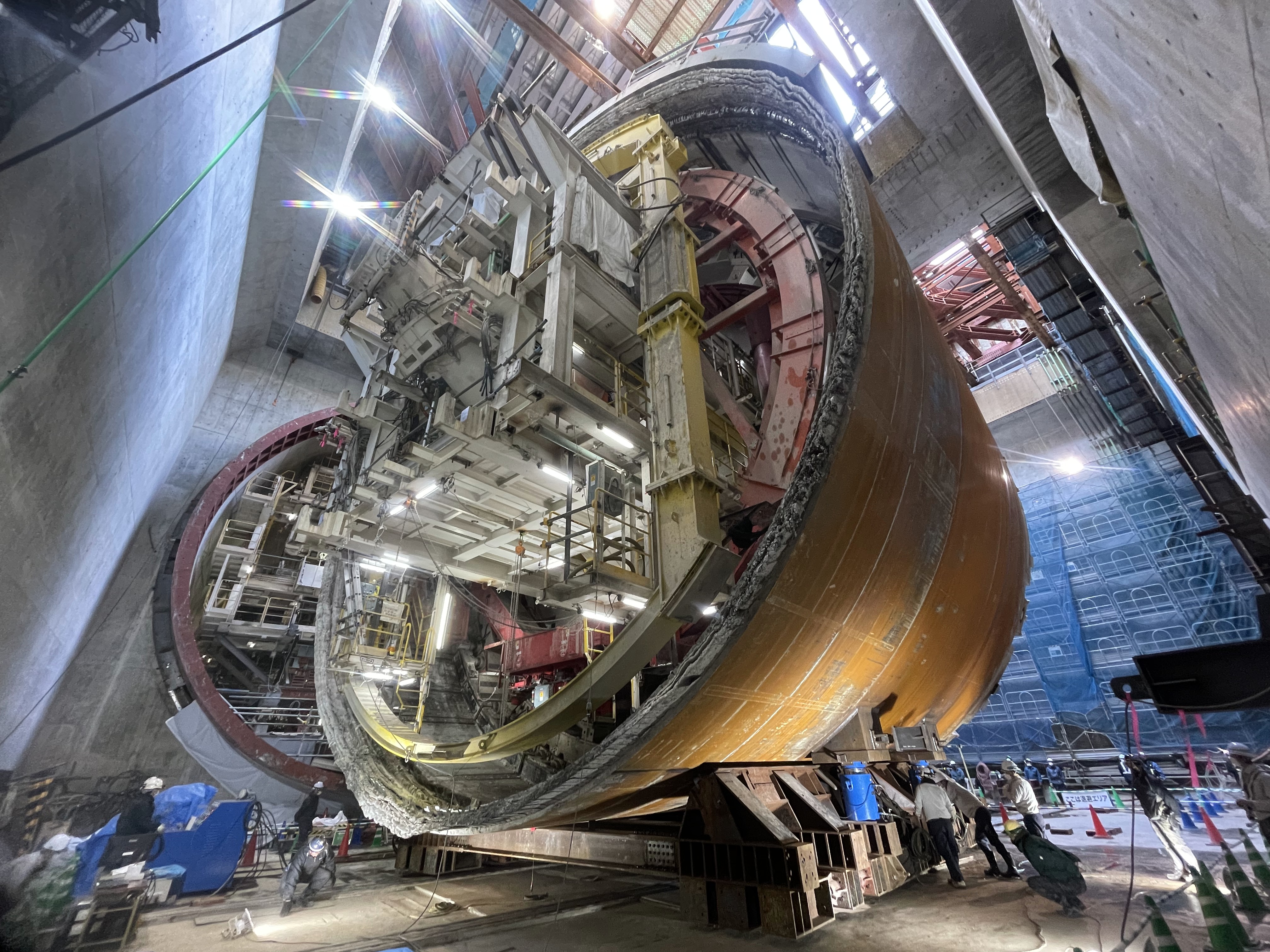
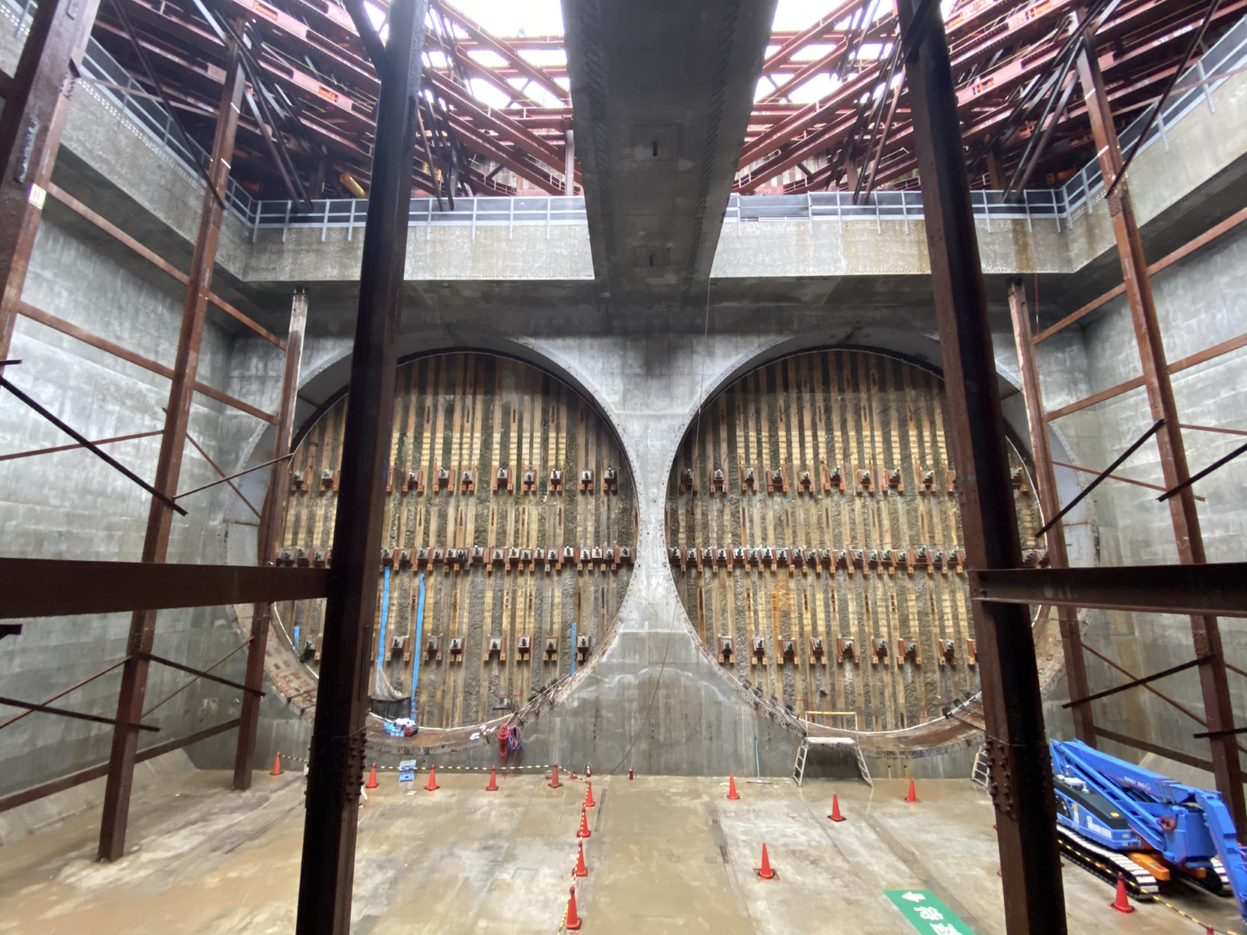
7. Overcoming quicksand during tunneling in unconsolidated sandy soil with a small overburden ―The Metropolitan Inter-City Expressway, the Shibayama Tunnel-
- East Nippon Expressway Co., Ltd
- Obayashi Corp.
- TAISEI ENGINEERING Co., Ltd
- IWATA CHIZAKI INC.
The Shibayama Tunnel is located on the last section of the Metropolitan Inter-City Expressway in Chiba Prefecture and is a new 616 m long tunnel with a minimum overburden of 3 m directly under a town road, golf course and agricultural water pipes. The geology is mainly unconsolidated sandy soil, which has led to challenges such as ground collapse due to quicksand, poor adhesion of shotcrete and surface settlement due to insufficient ground bearing capacity. To address these issues, countermeasures were carried out based on various types of test construction, and the tunnel excavation was completed without causing quicksand. The achievements of this tunnel will not only serve as a reference for future similar projects, but will also contribute greatly to technological innovation in urban tunnel construction under difficult conditions.
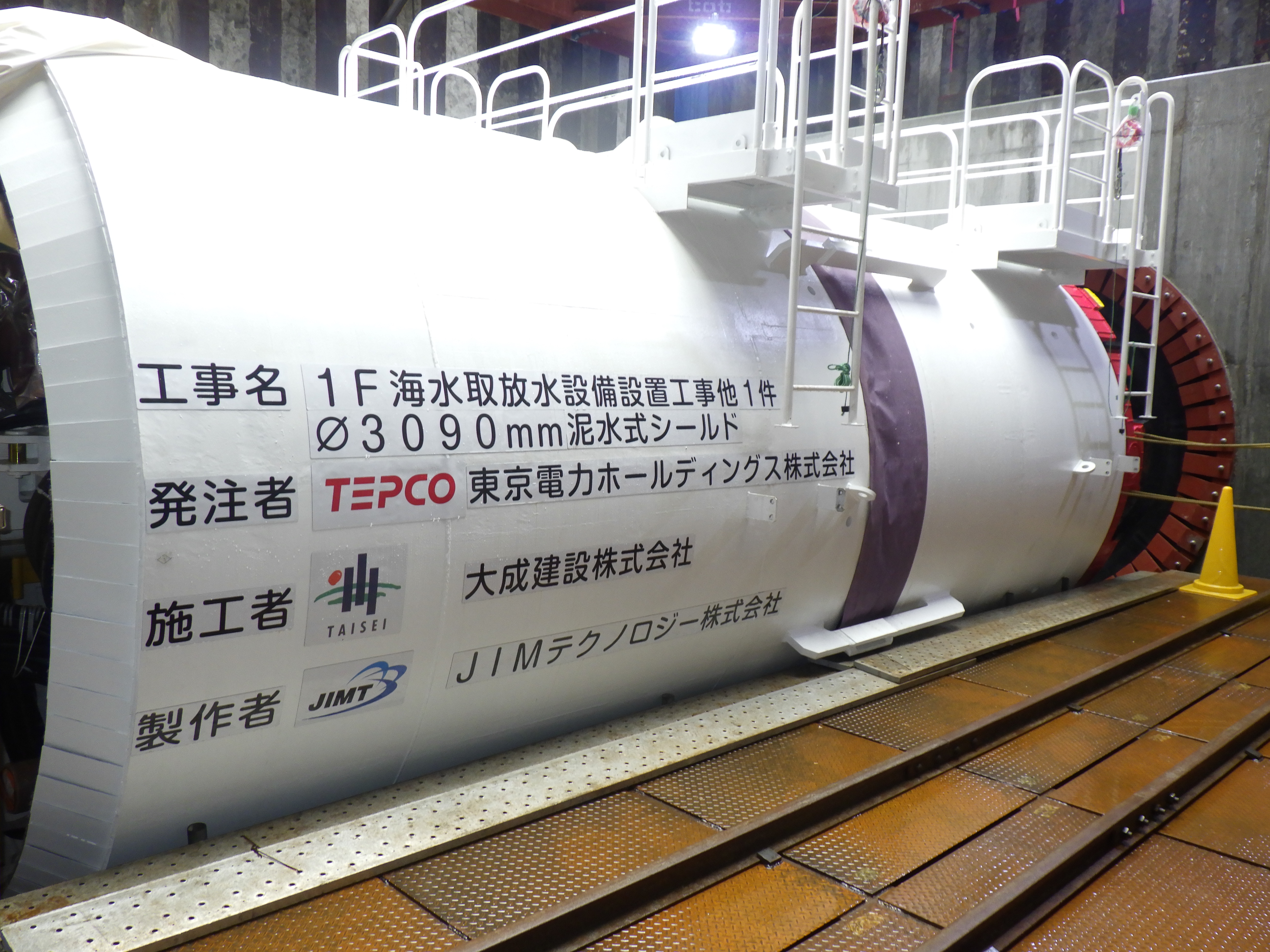
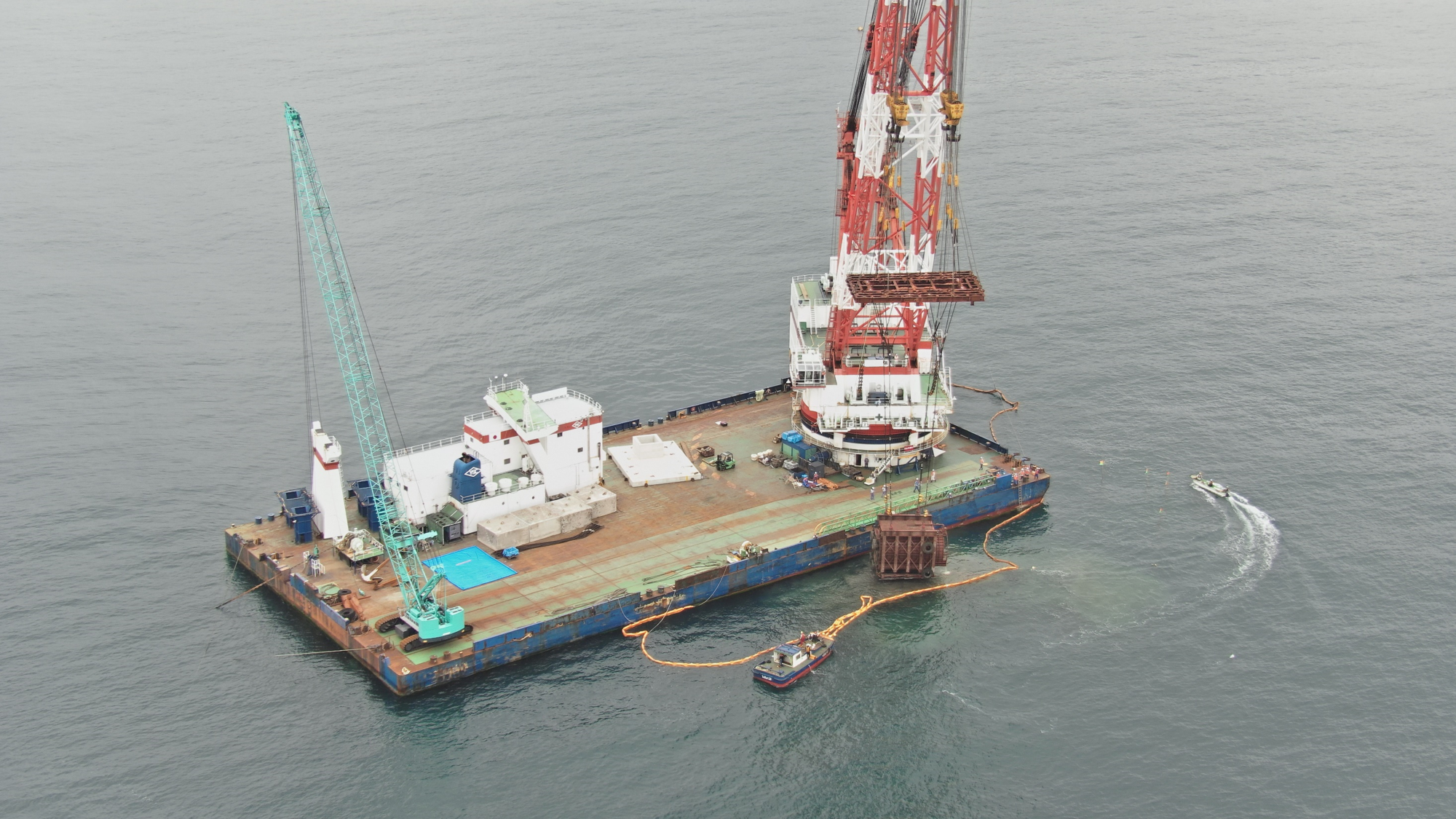
8. Ingenuity and development for diverging and connection method from inside the narrow sewerage shield tunnel in urban area (Second Togoshi Trunk Line Construction Project)

- Taisei Corp.
Connecting two water intakes, horizontally and vertically, from the existing narrow sewerage shield tunnel for rainwater inflow was completed under high water pressure and high permeability gravel ground without causing water inflow or subsidence. For horizontal intake, a long machine for pipe-jacking method was divided into four parts, setting single packing for high water pressure at entrance, filling with liquefied soil and water in arrival shaft, then safe work at launch and arrival was achieved. At the vertical connection, adopting flexible segments which could follow the displacement during ground freezing method and earthquakes, and labor-space-saving was realized by the developed segment that could be used as formwork.
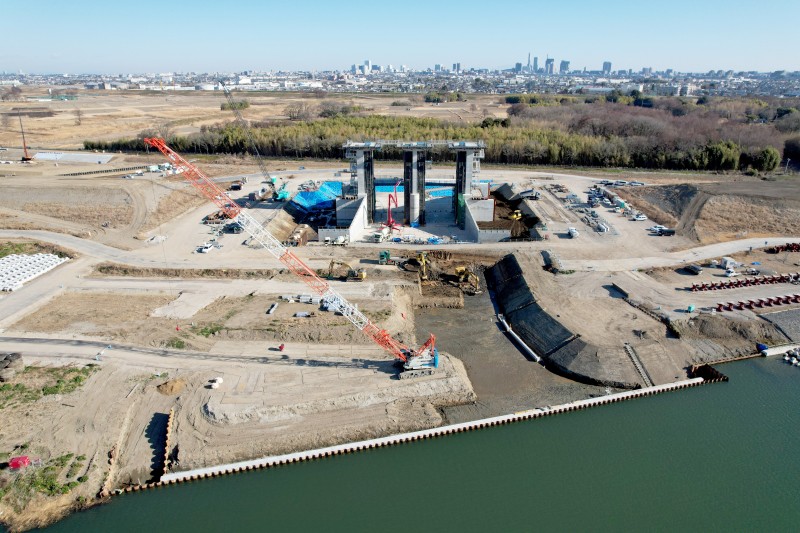
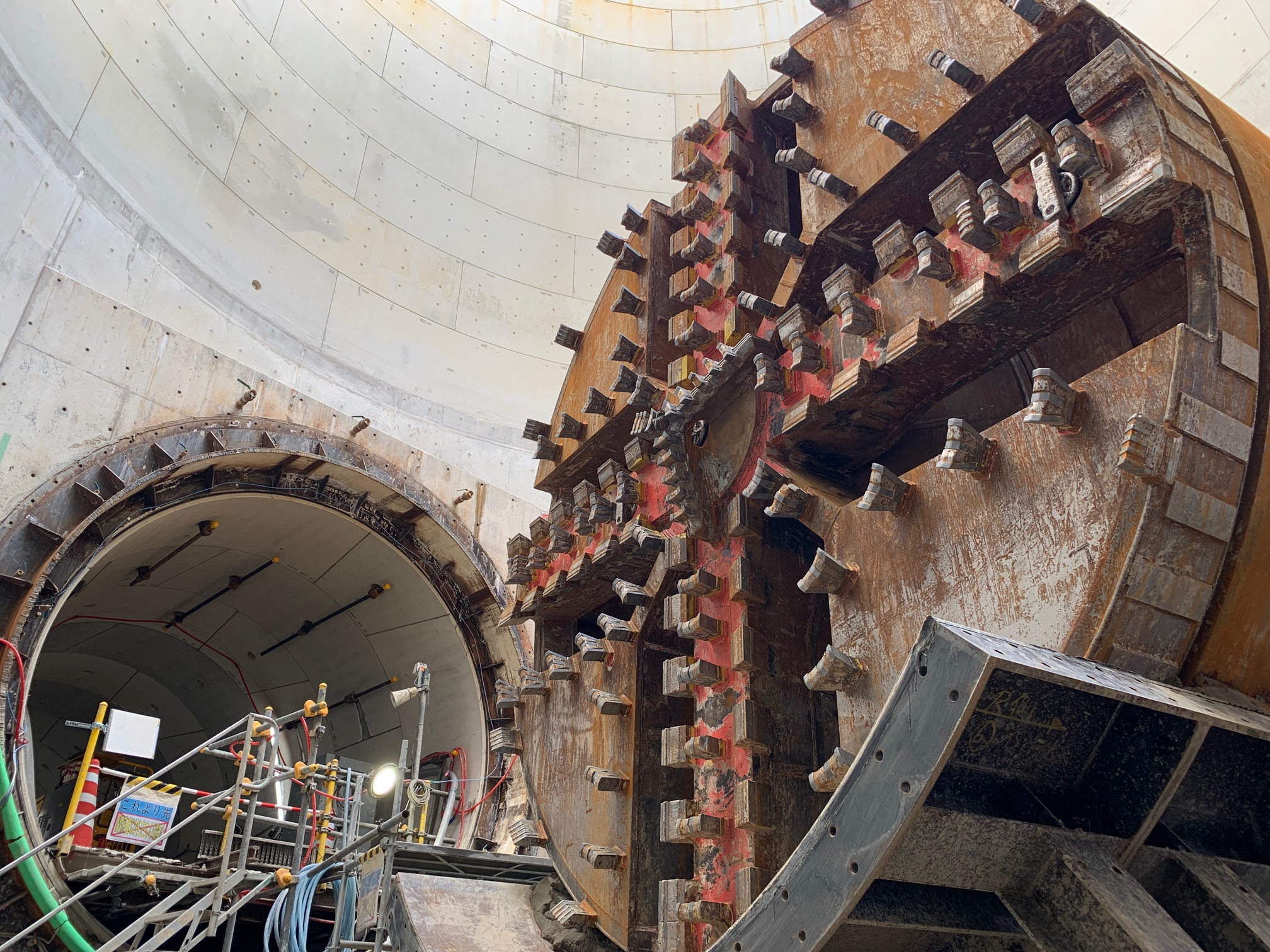
9.Efforts for On-site Management through Information Sharing and Remote Support Using Advanced Digital Twin
- Tobishima Corp. Civil Engineering Div.
To enhance flood control safety in the Arakawa River basin, the Arakawa Second and Third Regulating Ponds development project focused on automating and digitalizing measurement and management processes, including ICT in earthworks. The project adopted an advanced digital twin system, "Cyber KENSETSU GENBA®," which visualizes real-time 4D models (3D plus time) in cyber space. This system enables remote management, data sharing, and decision-making. It addresses issues like risk mitigation, cost reduction, and staff shortages, contributing to a safer, more efficient construction environment. This pioneering use of digital twins was recognized with the Technology Award.
10. Optimization of the Large-Scale Open-Cut Construction Project in Urban Areas with ICT-Based Construction Management Utilizing Digital Twins(The Construction project of the Shin-Yokohama Station on the Sotetsu-Tokyu Direct Line)
- SHIMIZU Corp.
The construction project of the Shin-Yokohama Station on the Sotetsu-Tokyu Direct Line is a new underground station project directly constructed under the Circular Route 2. This project faced strict construction conditions, including a high density of existing utilities, a complicated structure, and the utilization of steel diaphragm walls as part of the permanent structure. To resolve these difficulties, all structural objects were digitized into digital twins and were utilized from planning phase to construction phase. As a result, productivity of this project was significantly improved. This challenging effort received positive praise for providing our knowledge that is applicable to other civil projects in urban areas.
11. Removal technology of existing bridges in urban rivers with strict construction conditions -Renewal works of the Hatatekura Bridge-

- Public Works Bureau Osaka City government
- Taisei Corp. Kansai Branch
- Yorigami Maritime Construction Co., Ltd. Kansai Branch
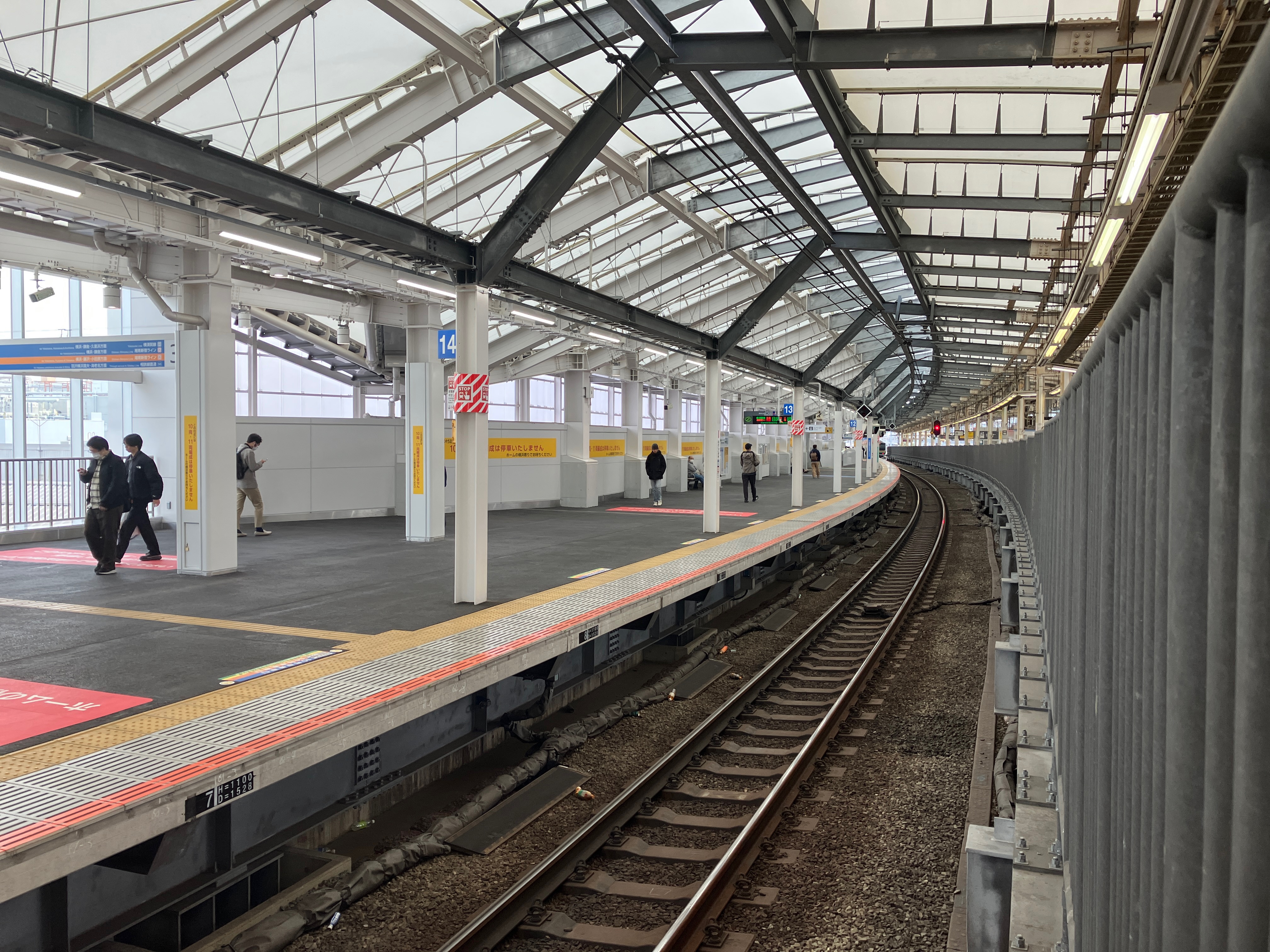
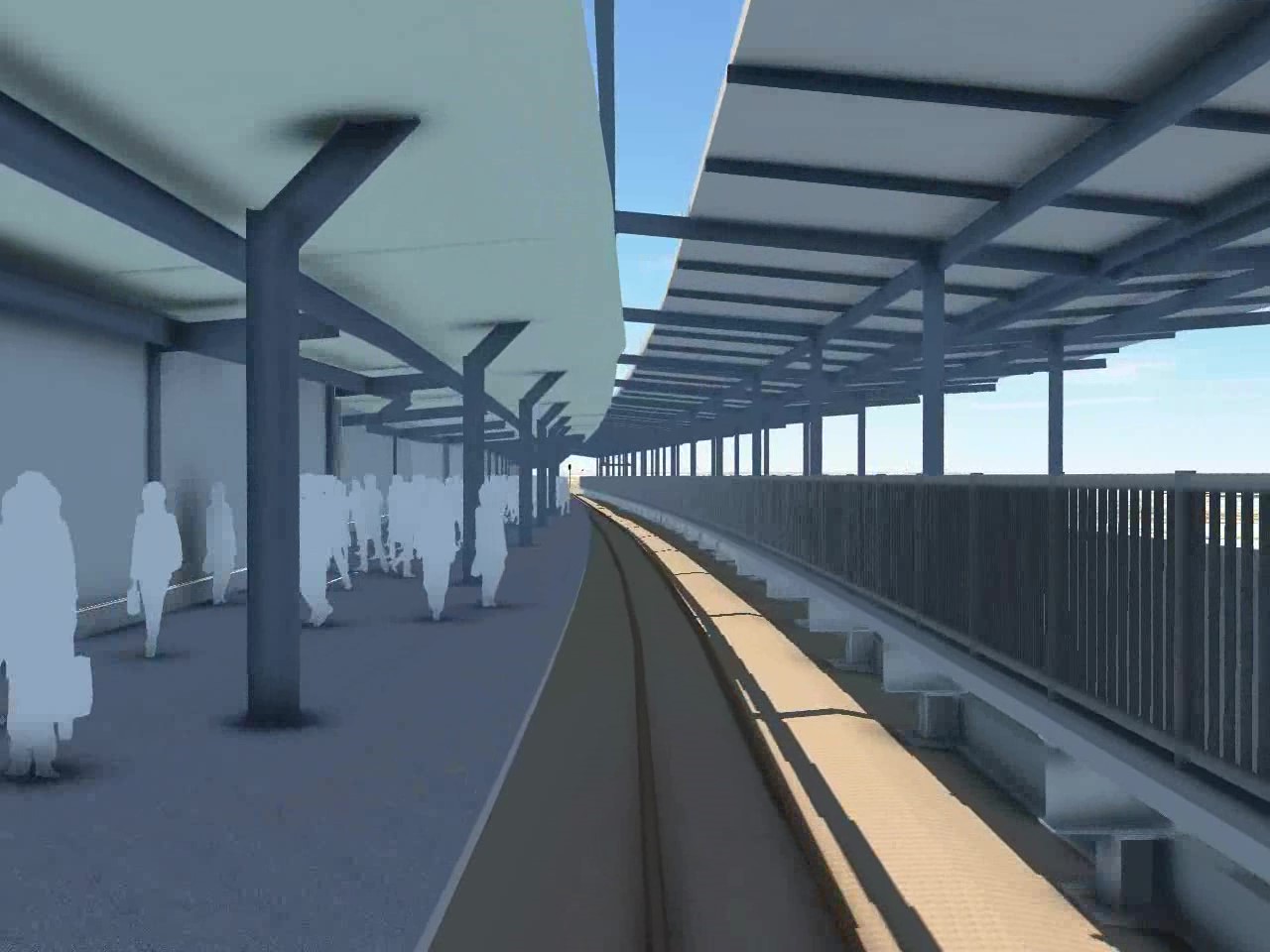
Hatatekura-Bashi, one of the notable bridges in Osaka City, was constructed in 1921 as a five-span simple girder bridge. In 1963, countermeasures were implemented against ground subsidence and seismic reinforcement, resulting in its current form (seven spans). After 100 years since its construction, significant aging became apparent, leading to the decision to undertake replacement work. However, many challenges arose for its removal. This project involved the safe removal of the Hatatekura-Bashi, which has a unique bridge structure, under stringent conditions. These included strict schedule constraints, a large number of obstructions in the riverbed, ensuring navigational route availability during construction, and preventing river pollution. Various advanced technologies were employed to solve these challenges.
12. Establishment of high overburden tunneling technologies nearby the Median Tectonic Line in Japan
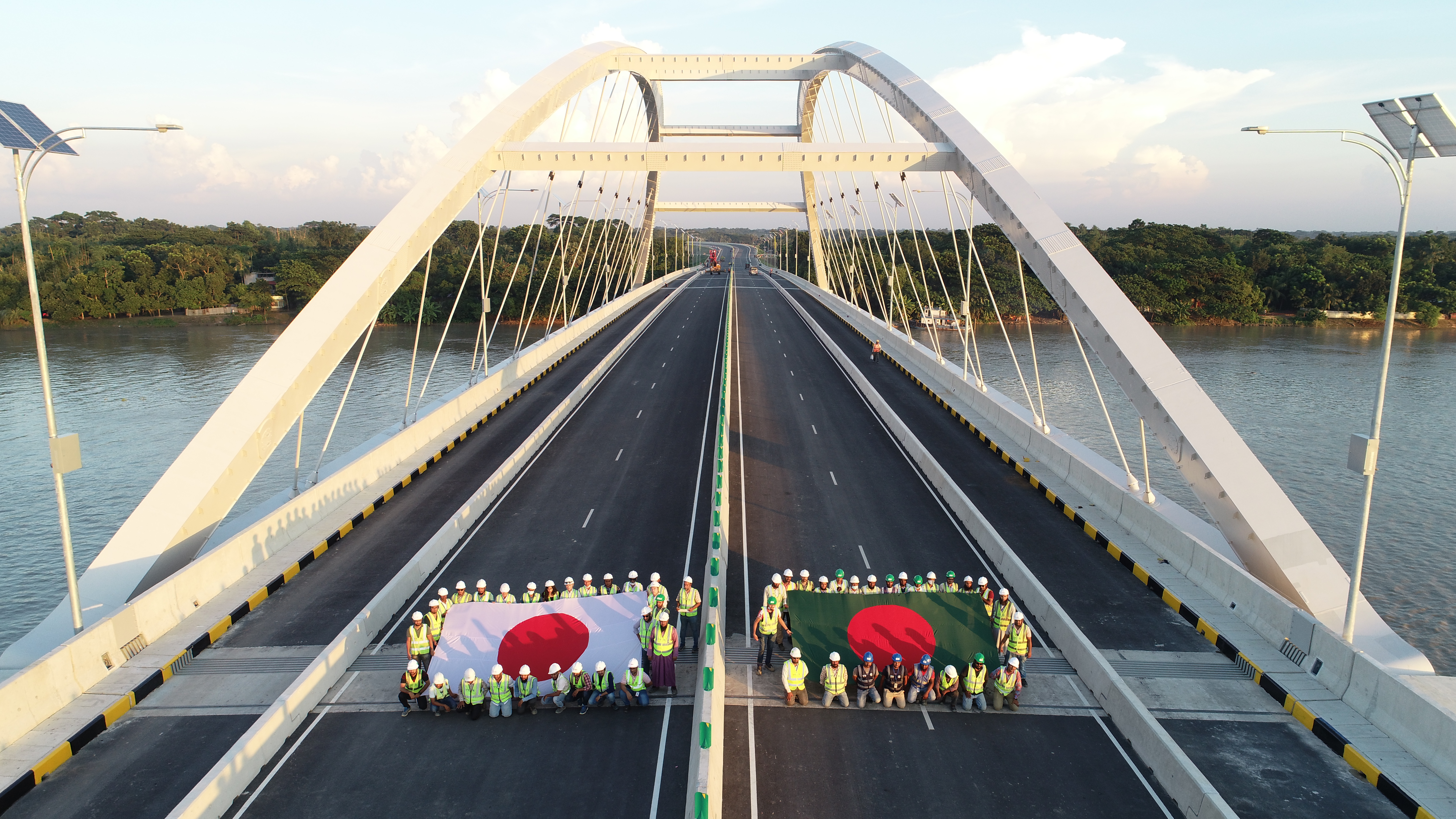
- Iida National Highway Work Office, Chubu Regional Development Bureau, Ministry of Land, Infrastructure, Transport and Tourism
- Hazama Ando Corp.
- Penta-Ocean Construction Co., Ltd
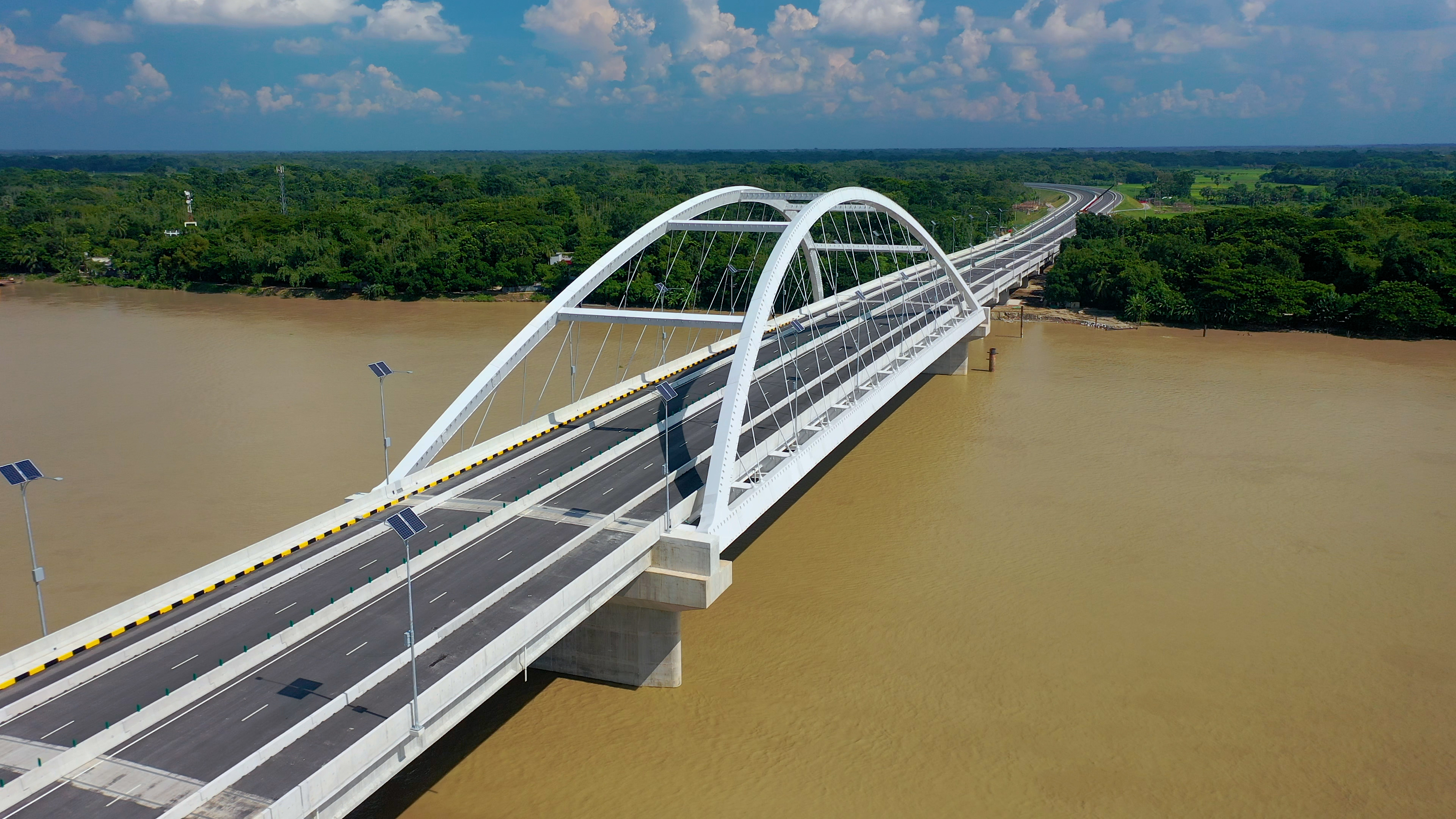
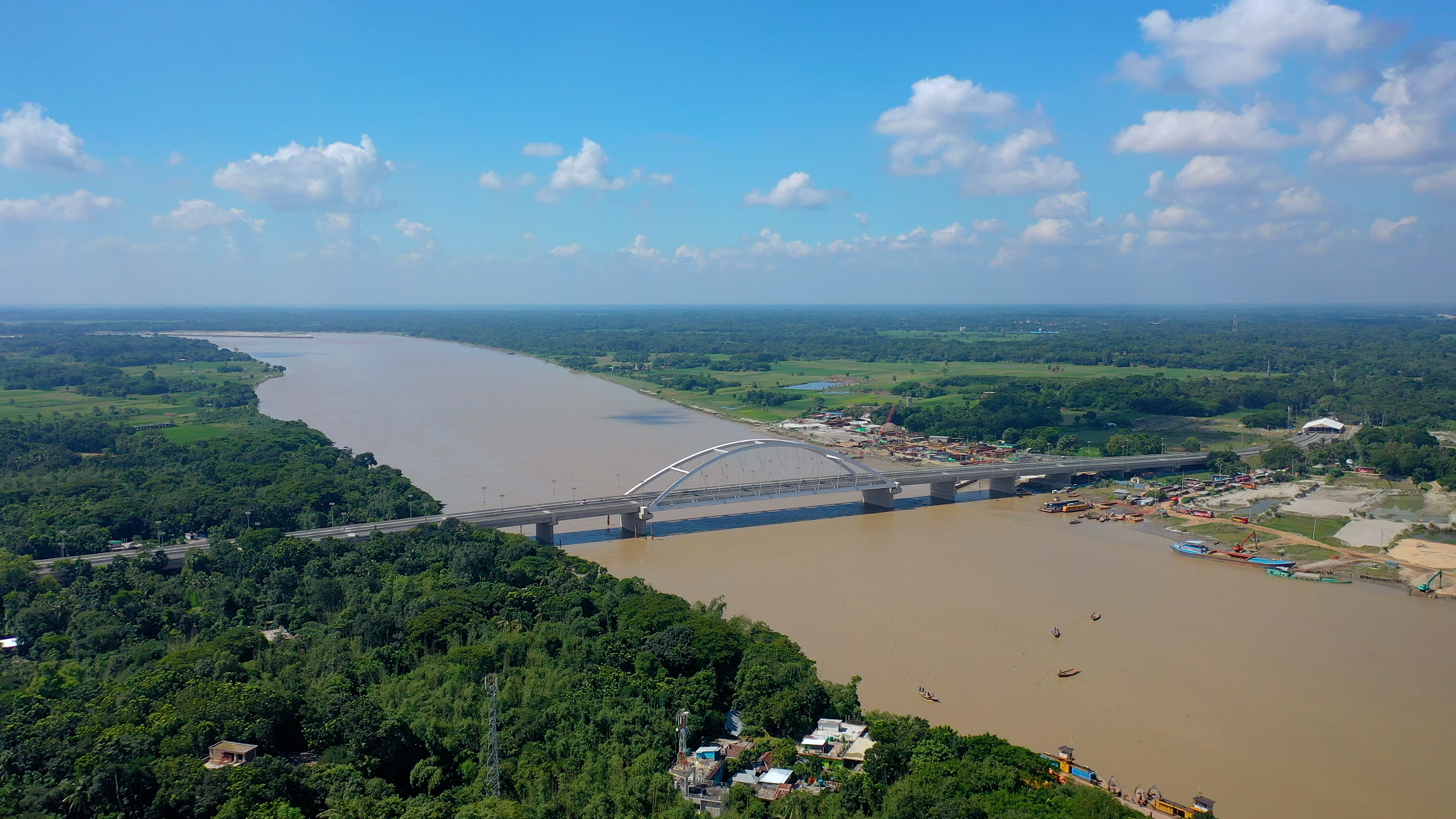
Aokuzure Pass Tunnel is a 4,998-meter road tunnel that is under construction along the San-en Nanshin Expressway, parallel to the Median Tectonic Line. It faces severe conditions, including fragile geology and overburden exceeding 600 meters. To address these issues, double support using high-standard steel and high-strength rock bolts was constructed, allowing for some deformation of the surrounding rock. Additionally, specialized shotcrete with a design strength of 54 N/mm2 was first applied to mountain tunnels in Japan. These innovative techniques have established the rationalized construction methods to ensure the stability of the tunnel under strong earth pressure conditions with the complex and fragile geology.
13. Challenge of constructing Japan's first large-scale Concrete Face Rockfill Dam ~Nanma dam~
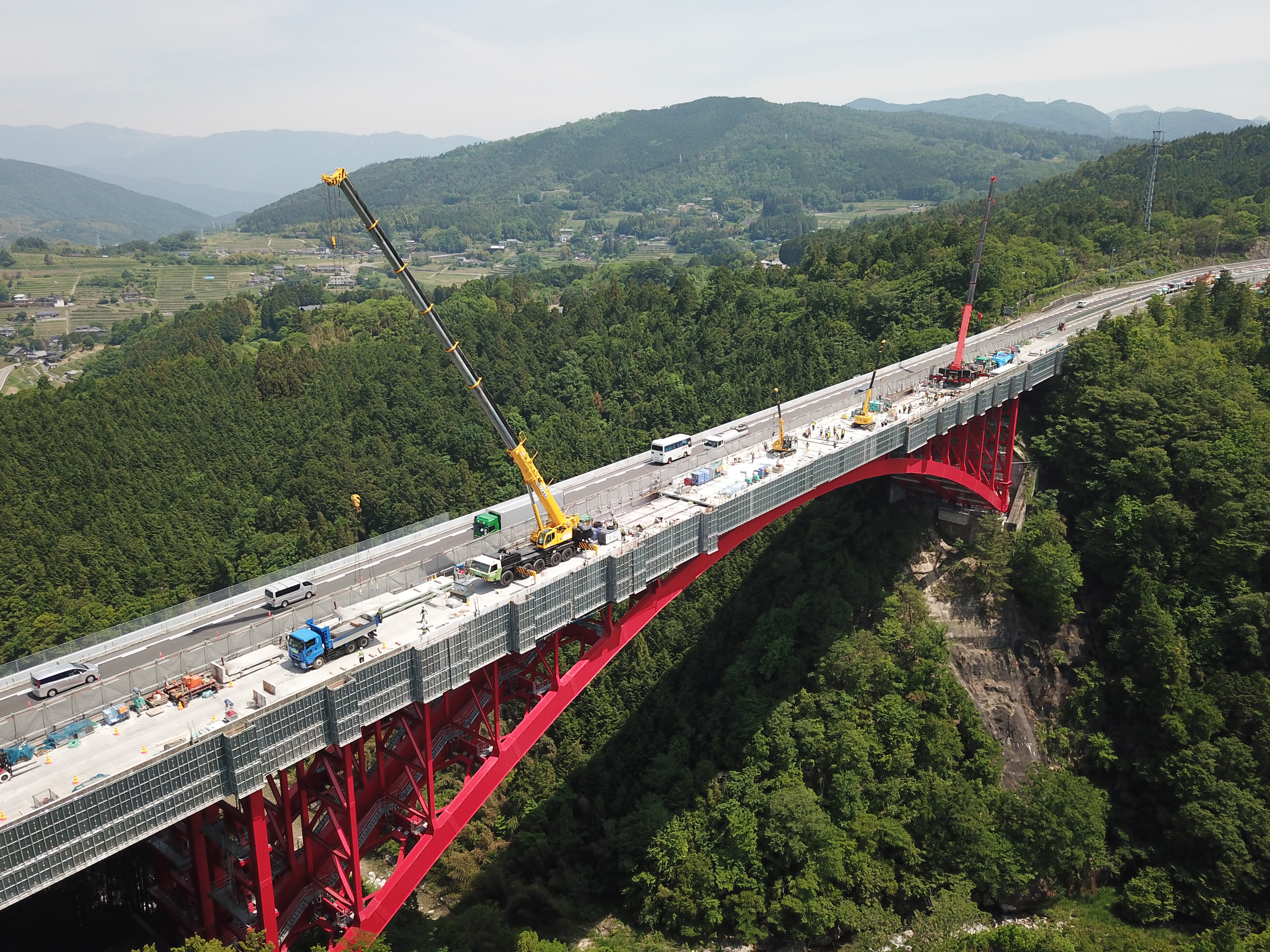

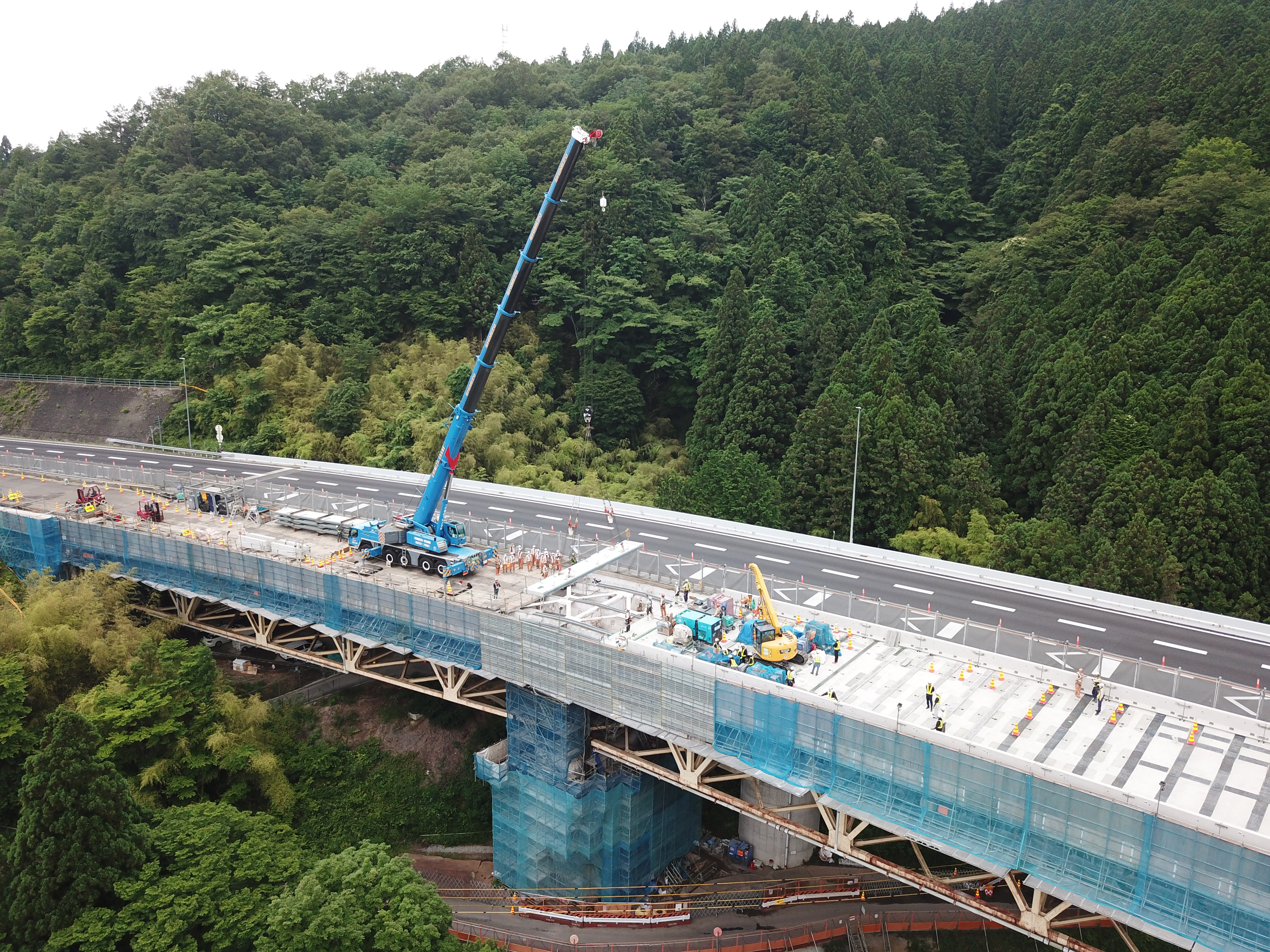
- Incorporated Administrative Agency Japan Water Agency
- Taisei Corp. Co., Ltd
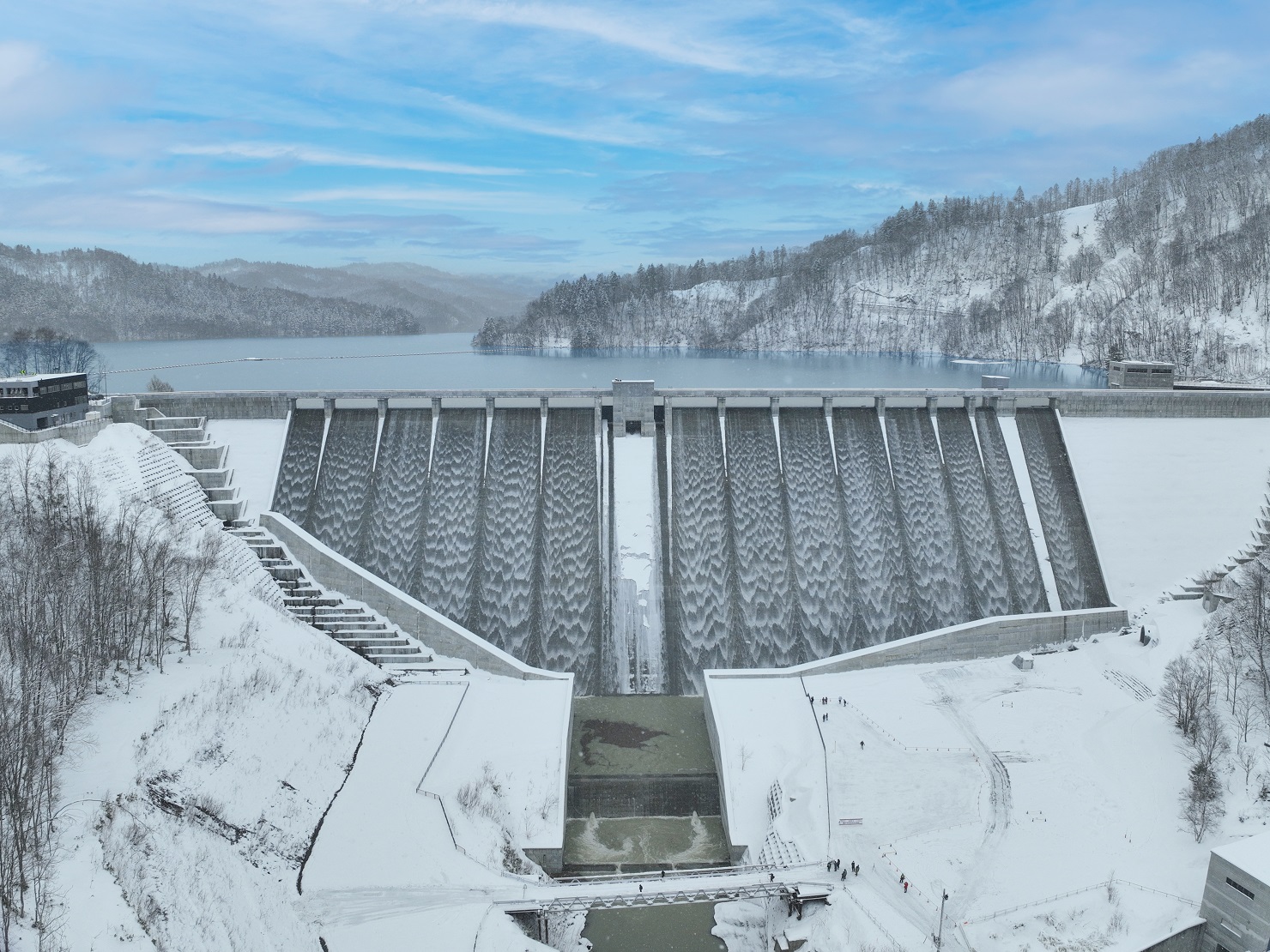
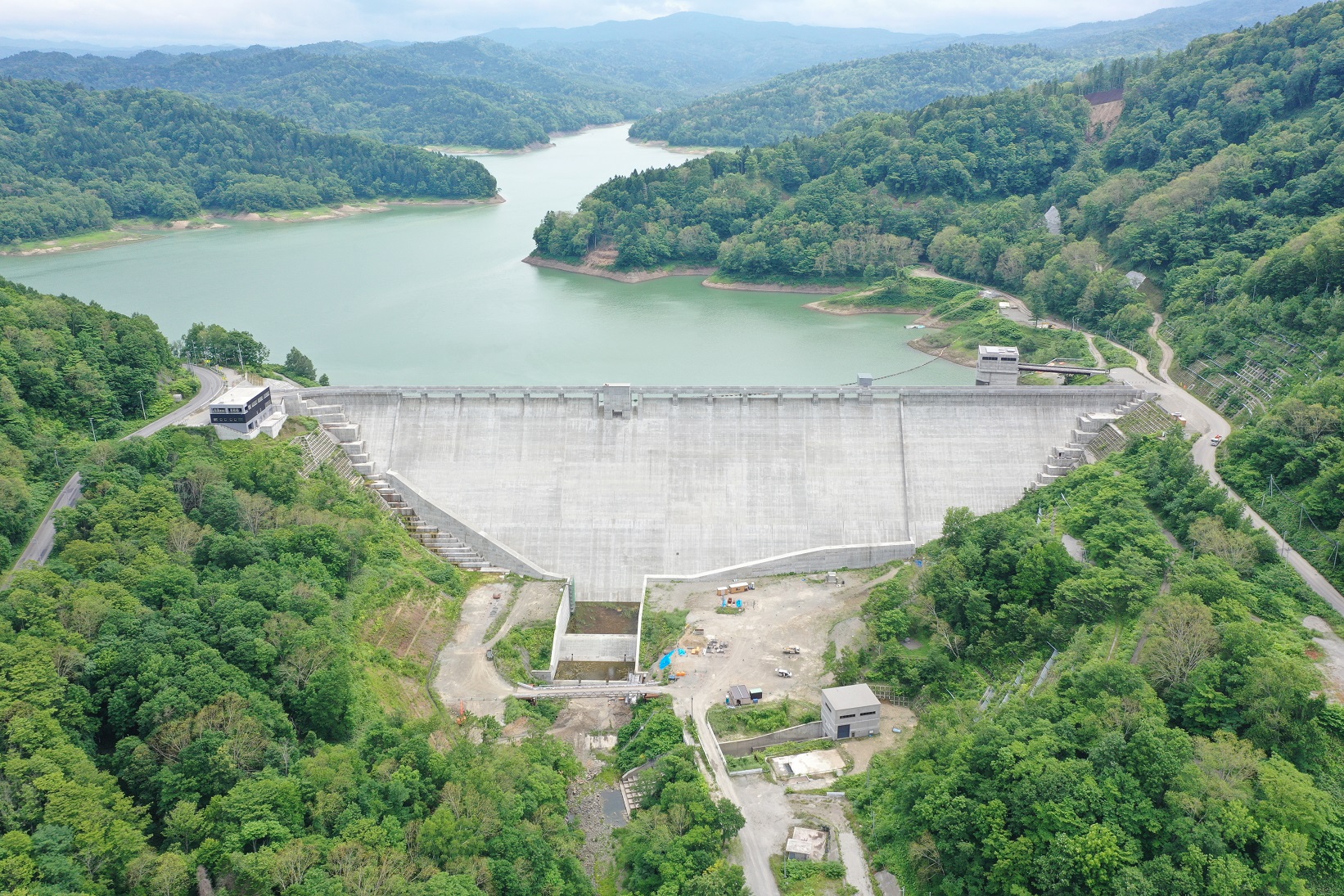
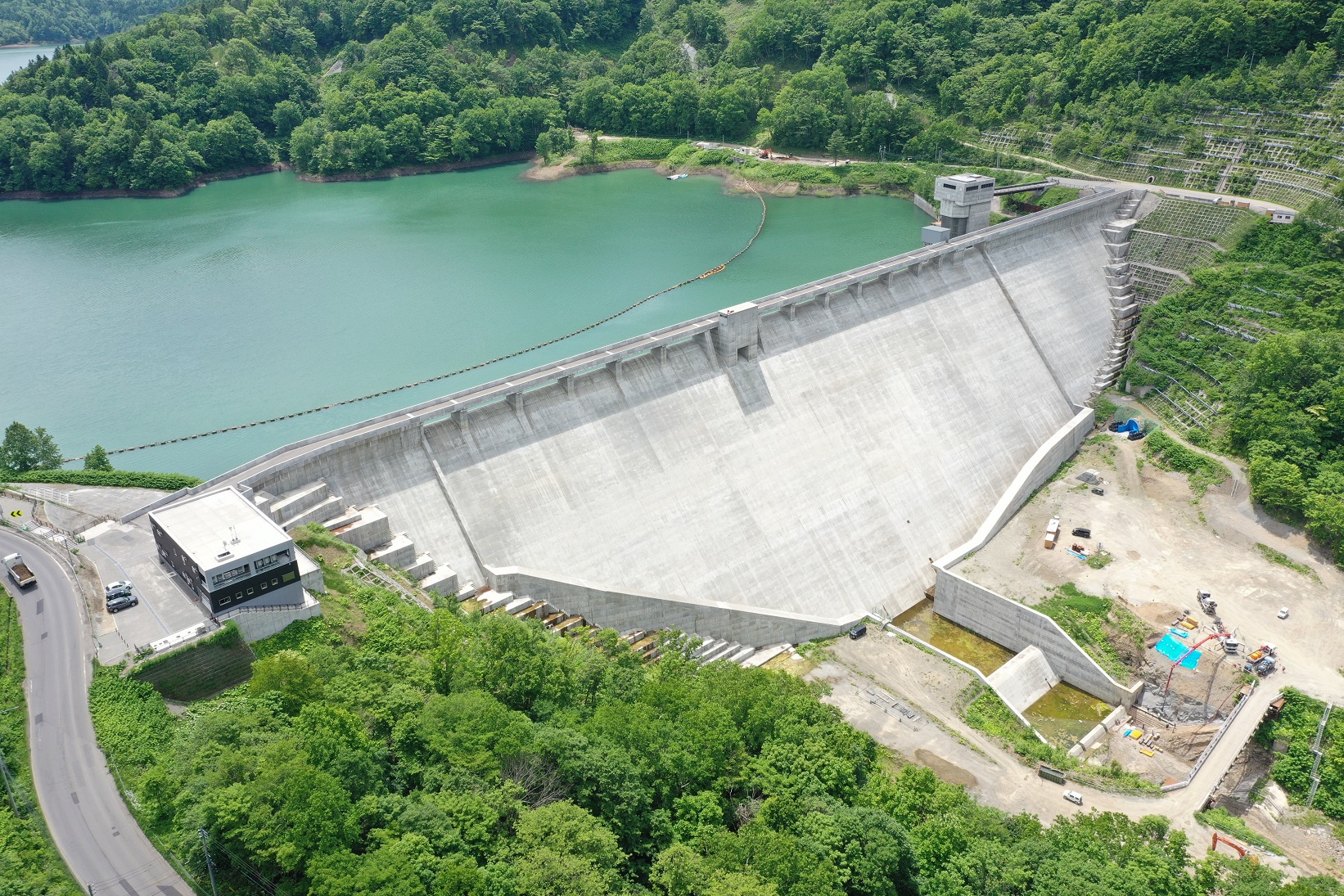
Nanma Dam is Concrete Face Rockfill Dam built in Kanuma City, Tochigi Prefecture for the purpose of flood control, normal function of the river water and water supply. This type of dam has concerns about its impermeability and has not been built in Japan for a long time. The problem was solved from the design and construction sides by utilizing the latest design techniques and developing new construction methods. Thus, we successfully completed the construction of the largest Concrete Face Rockfill Dam in Japan. For these reasons, the construction of Nanma Dam was awarded the Japan Society of Civil Engineers Technology Award in recognition of laying the technological foundation for the future.
14.About the Longest Super Long-Distance Sewer Shield Construction in Japan - Chiyoda Trunk Line Improvement Project
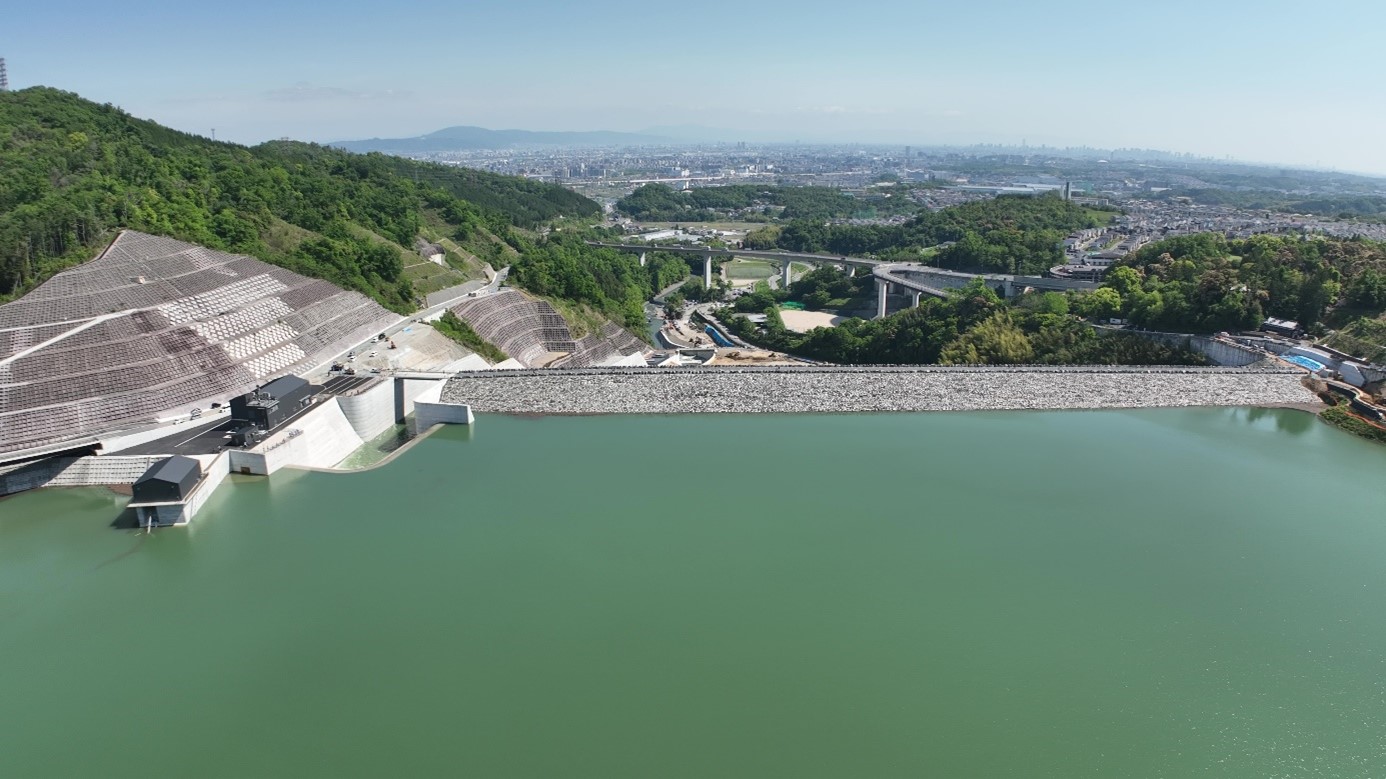
- Tokyo Metropolitan Government, Bureau of Sewerage, 2nd Core Facilities, Reconstruction Office
- Okumura・Daiho Joint Venture
The Chiyoda trunk line starts from Iidabashi in Chiyoda Ward and diverts water from six trunk lines to the Shibaura Water Reclamation Center in Konan, Minato Ward. Because it traverses the city center, it is the "longest" sewer shield in Japan for a single span. As a result, improving the durability of the shield machine and enhancing the efficiency of material transportation became significant challenges. In the construction process, highly durable bits with excellent wear resistance were adopted. For the efficiency of material transportation, segments and other materials were automatically transported using battery-powered trains. As a result of these efforts, the project was recognized as deserving a technical award.
15.Seismic reinforcement work of an existing earth dam using a latest information-based construction technology (Murayama-Kami Reservoir)
- Bureau of Waterworks Tokyo Metropolitan Government
- Kajima Corp., JDC Corp. Joint Venture
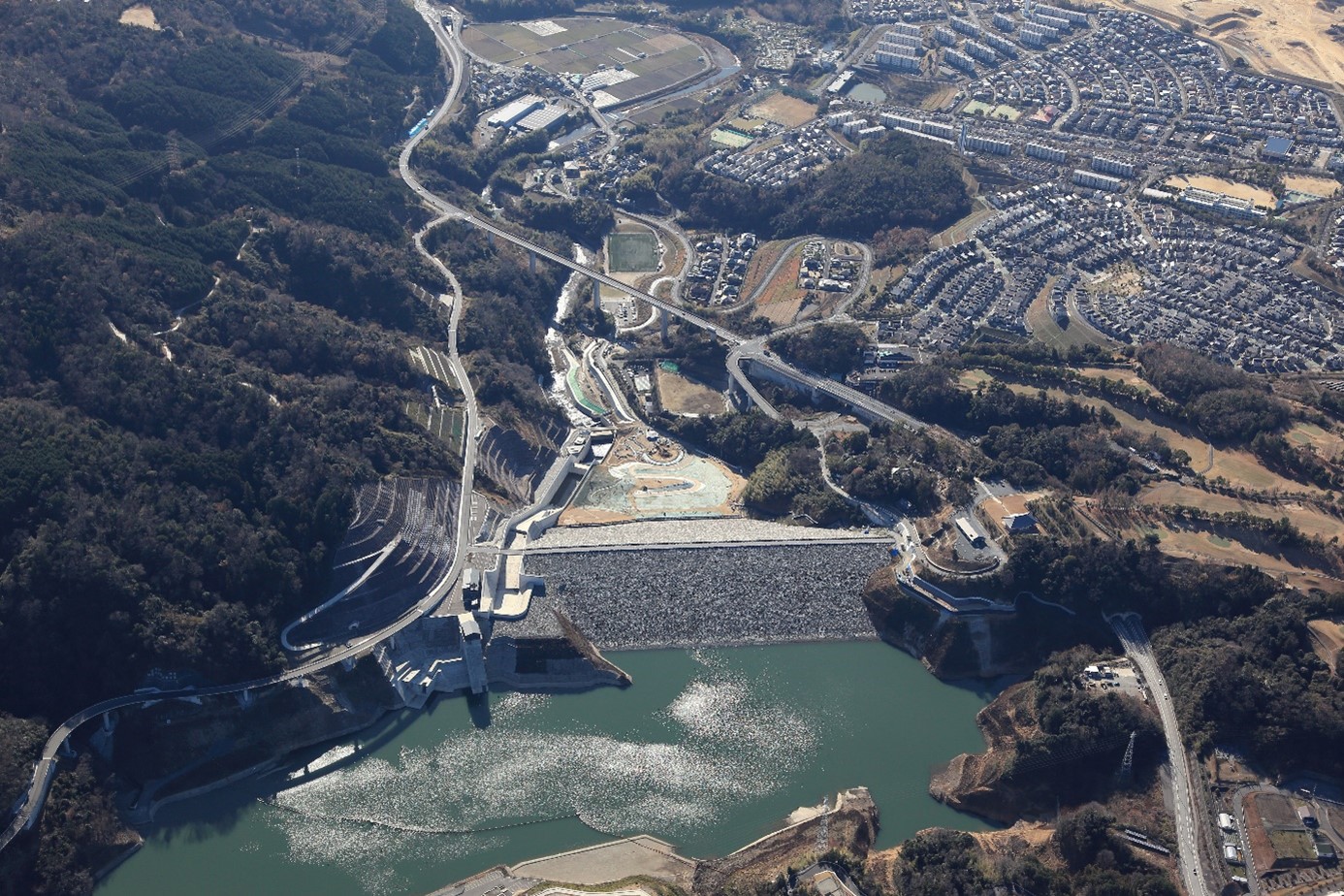
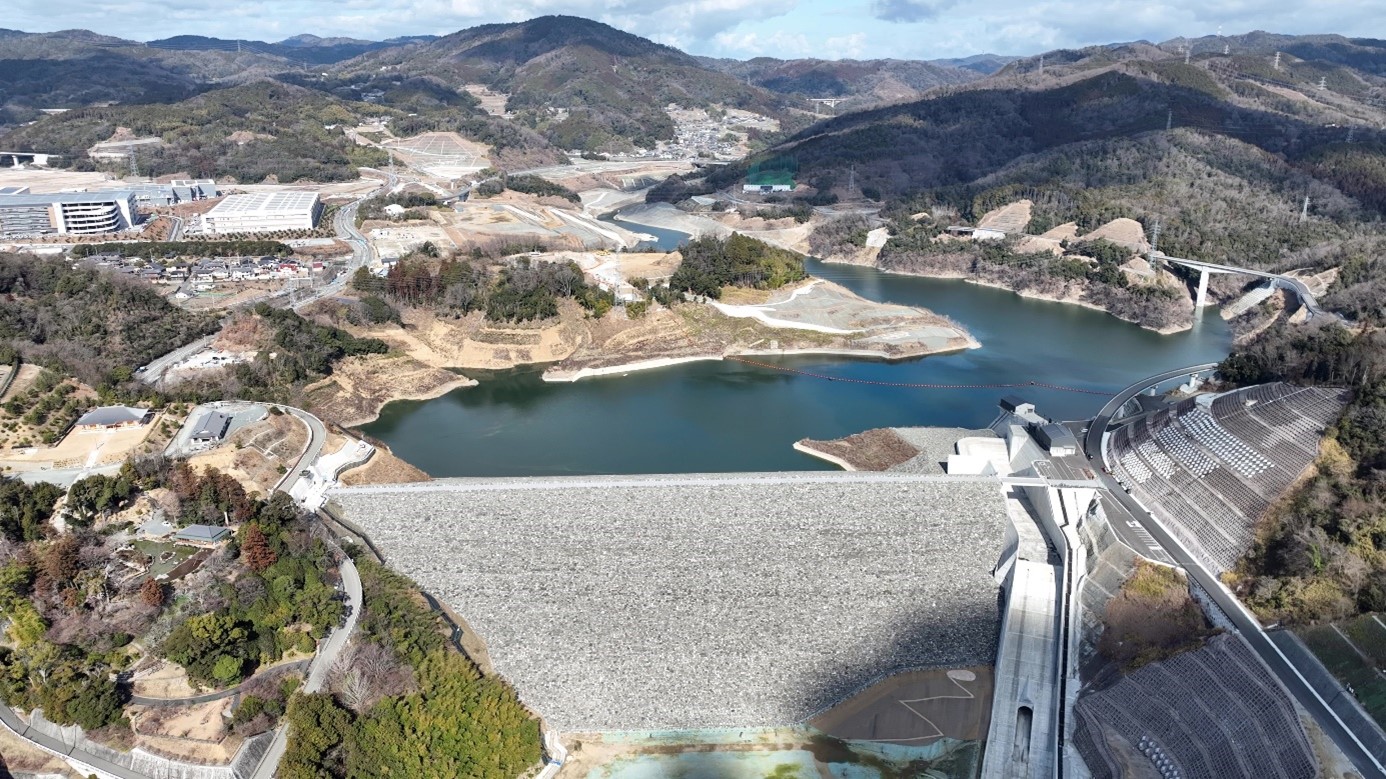
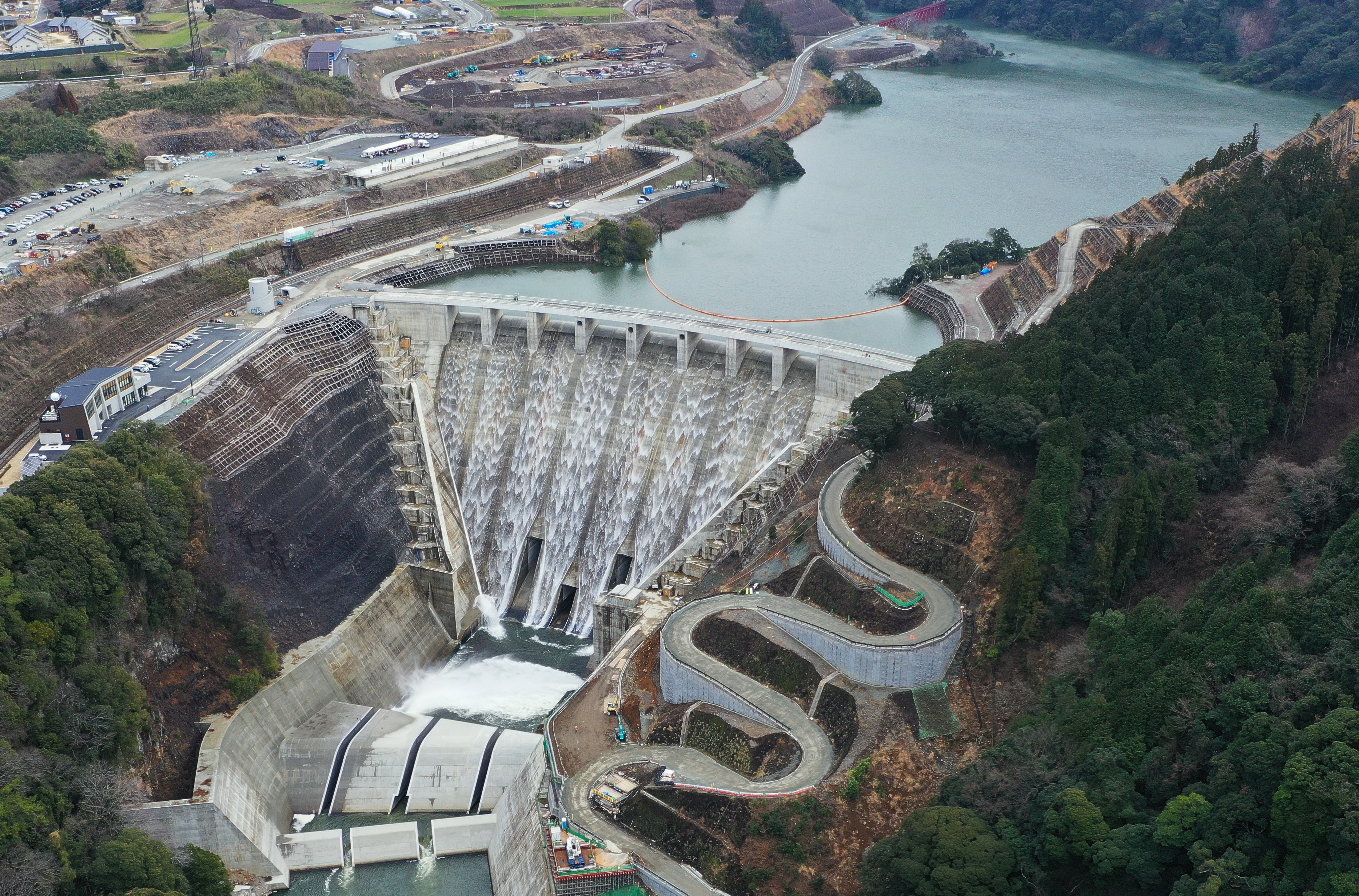
In this project, a new embankment was built on the downstream side of the Murayama-Kami Reservoir embankment as a reinforcement against future earthquakes. The technical challenges were 1) to keep operating the road on the crown while the construction and 2) to ensure the stability of the existing embankment whose mechanical properties are uncertain. The embankment was kept monitored by latest observation equipment, and the results were compared to the prediction by the Finite Element Analysis (FEA). Furthermore, as the construction proceeded, the data assimilation technique revealed that the embankment was stiffer than the original prediction, and the reinforcement work completed without further concerns. The technology employed in this project can potentially be applied to many types of infrastructure whose properties are unknown.
16. The challenge of connecting rainwater inflow pipe to a storage pipe at great depths and under high water pressure near the highway (Meido-cho rainwater inflow pipe)

- Taisei Corp. Chubu Branch Meido-cho rainwater inflow pipe Construction Site
This project involved the construction of a rainwater inflow pipe to a storage pipe at great depth and under high water pressure using the shield tunneling method. The starting shaft was constructed using the open caisson method, and the freezing method was used to improve the ground for the connection to the storage pipe. The construction was completed by overcoming the following issues. (1) Construction of the starting shaft in very close proximity to the highway bridge piers. (2) Launching and tunneling the TBM from a narrow shaft at a great depth and under high water pressure. (3) Connecting to the rainwater storage pipe using the freezing method in underground conditions where the groundwater velocity is high. In this case, the combination of various technologies enabled efficient and safe construction under extremely difficult and challenging construction conditions.
[Group-2]
1. Speedy recovery of mountain tunnel after vehicle fire damage (Emergency lining restoration work on the Amakoyama Tunnel in Sanyo Expressway)
- West Nippon Expressway Co., Ltd.
- Kansai Branch Kajima Construction Co., Ltd.
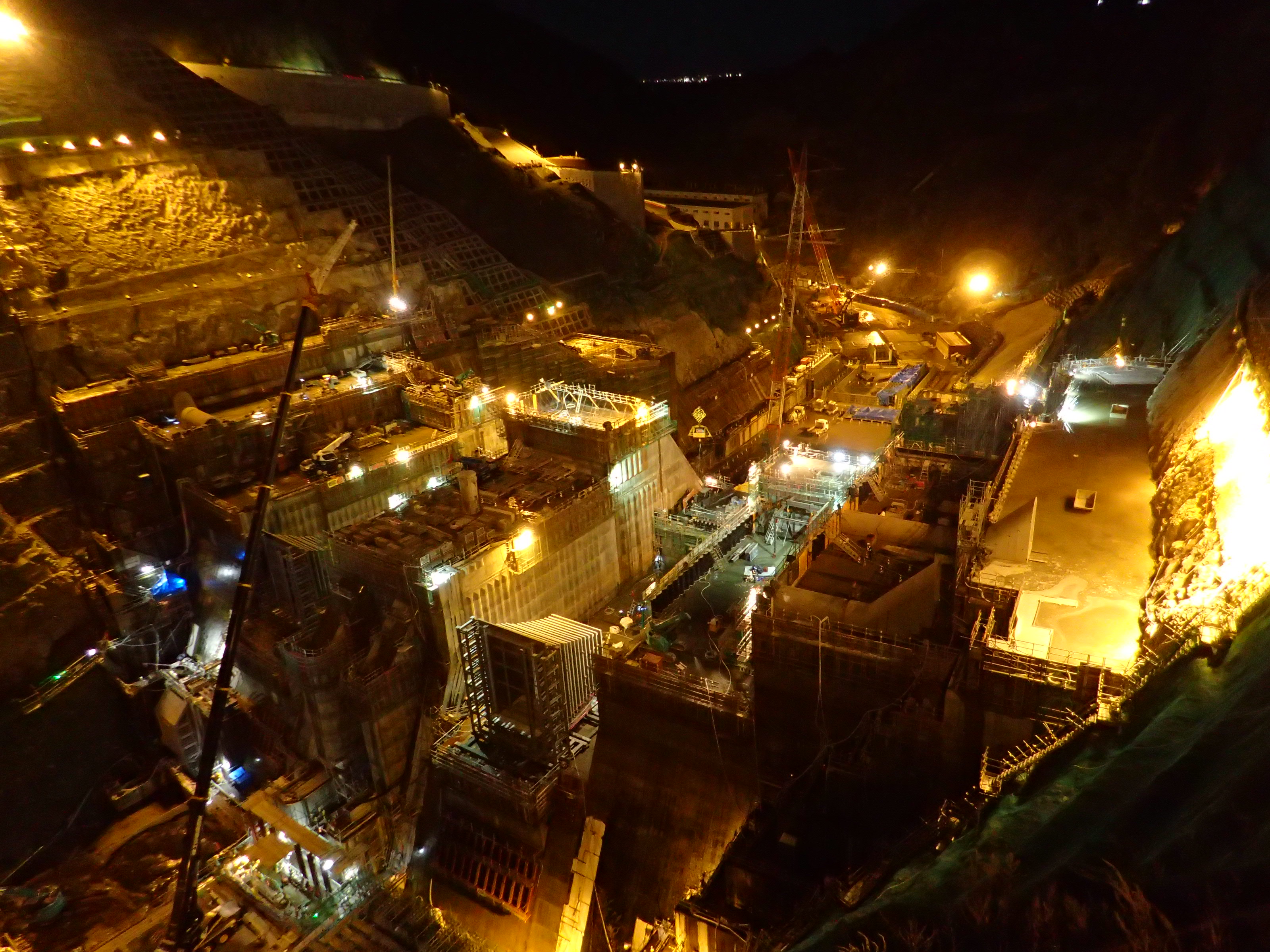
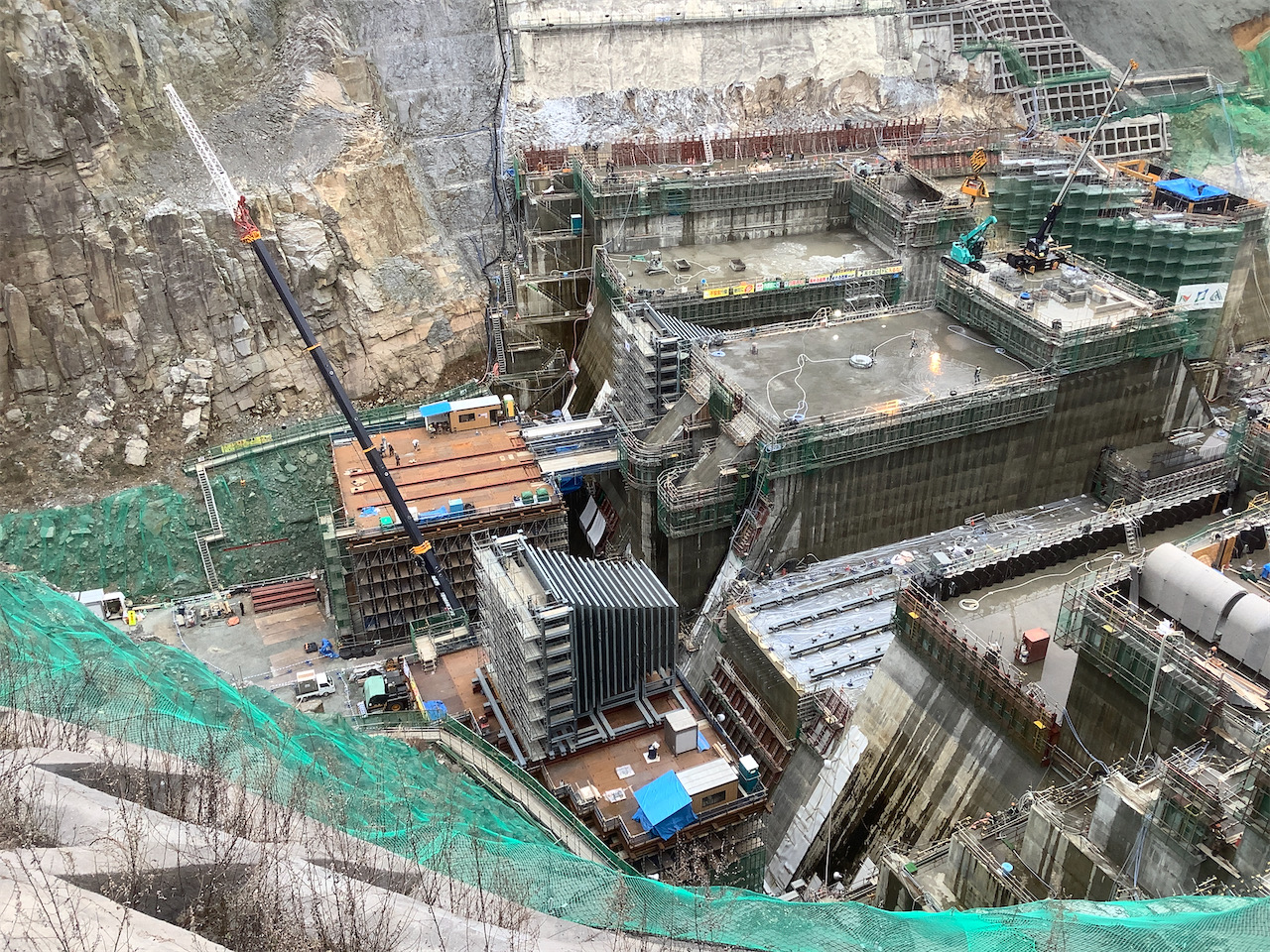
On September 5, 2023, a fire accident involving 23 vehicles occurred on the outbound route of the Amakoyama Tunnel on the Sanyo Expressway in Japan. The fire continued for more than 40 hours, and the tunnel was closed due to extensive spalling of the lining concrete. According to the fire damage evaluation, engineers planned restoration work with a new construction approach. After a technical expert committee deliberation, the work proceeded in a 24-hour operation. As a result, restoration was completed within 102 days of the accident. The project made a significant social contribution and received much recognition and appreciation from society.
2. Asahan No.3 Hydroelectric Power Plant Project (Lot Ⅰ-Civil Works) (Hydroelectric Power Plant Project for Stable Power Supply in North Sumatra, Indonesia)
- PT. PLN (Persero)
- Nippon Koei Co., Ltd.
- Shimizu–Adhi Karya Joint Operation
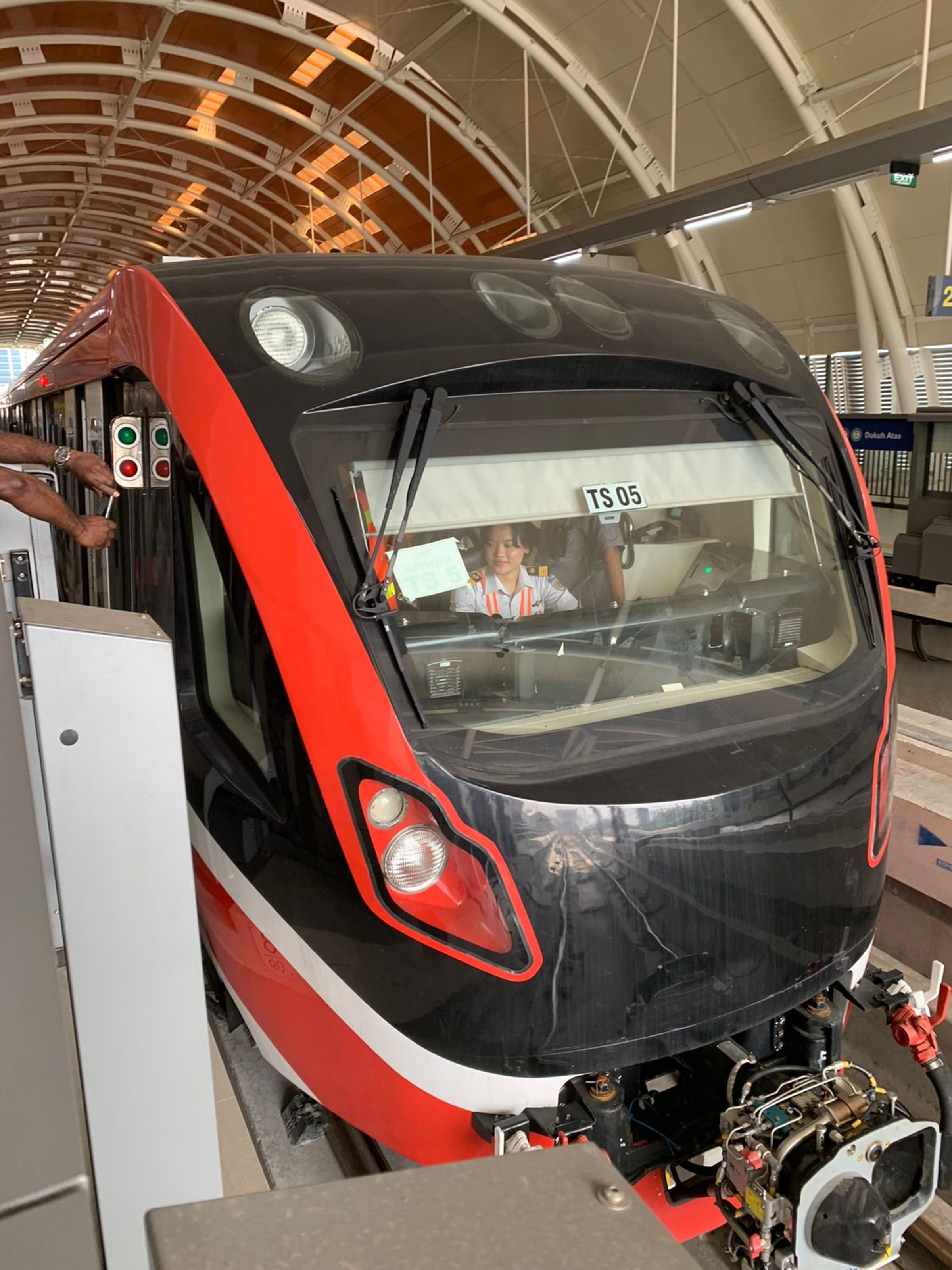
The Asahan No.3 Hydroelectric Power Plant (174 MW, 198 m gross head) is a run-of-river plant in North Sumatra, Indonesia, using the Asahan River, which flows from Lake Toba, the world’s largest caldera lake. It aims to ease power shortages, stabilize supply, and boost economic growth. Despite facing technical challenges in a remote mountainous region, the project maintained steady progress over five years and was completed on schedule. Its successful execution enhances energy reliability and supports regional development.
3. Open Sky over the Nihonbashi River!! Removal work of Metropolitan Expressway Inner Circular Route Entrance and Exit in the Urban Area
- Metropolitan Expressway Co.,Ltd.
- SHIMIZU Corp.
- JFE Engineering Corp.
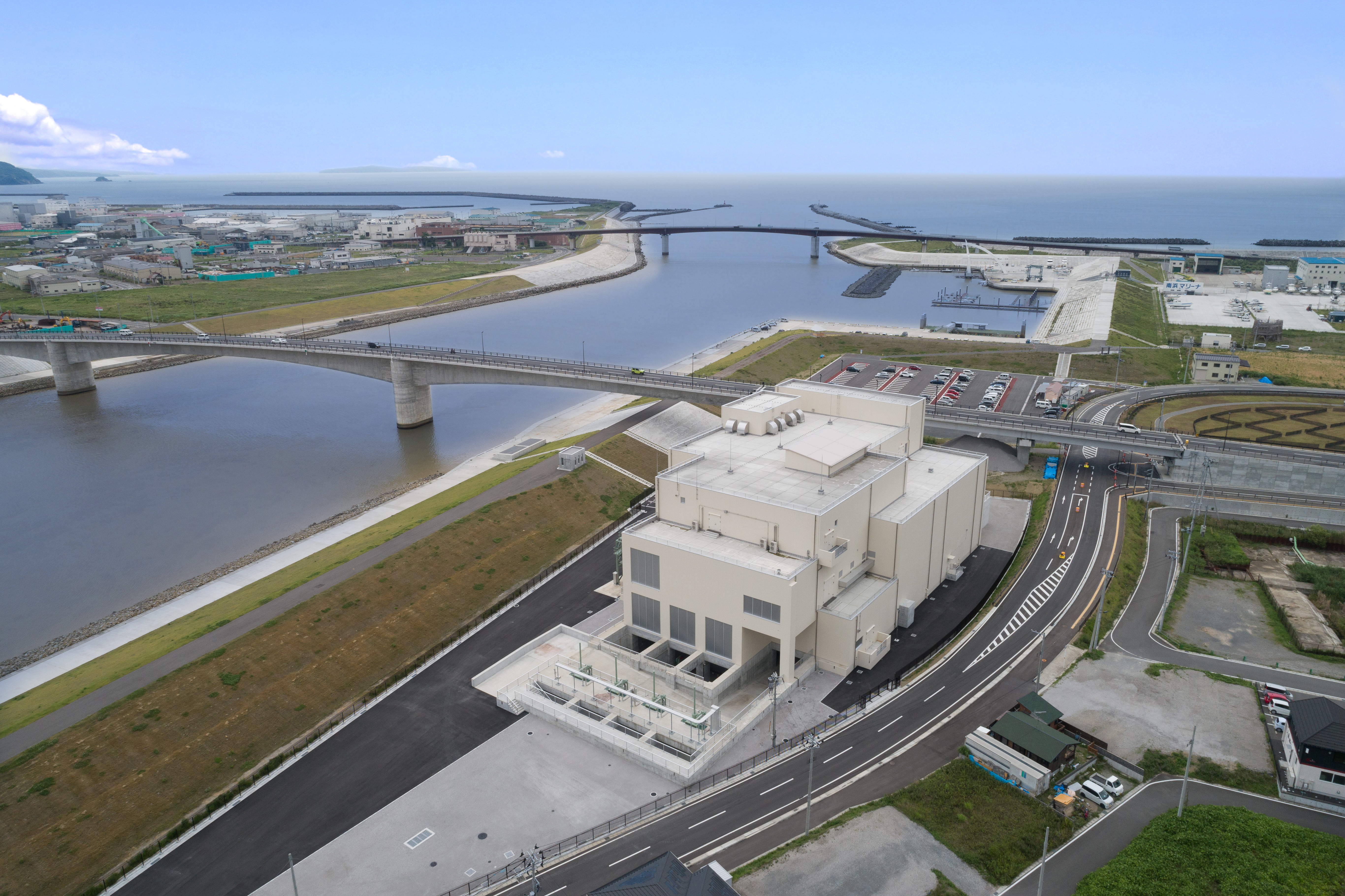
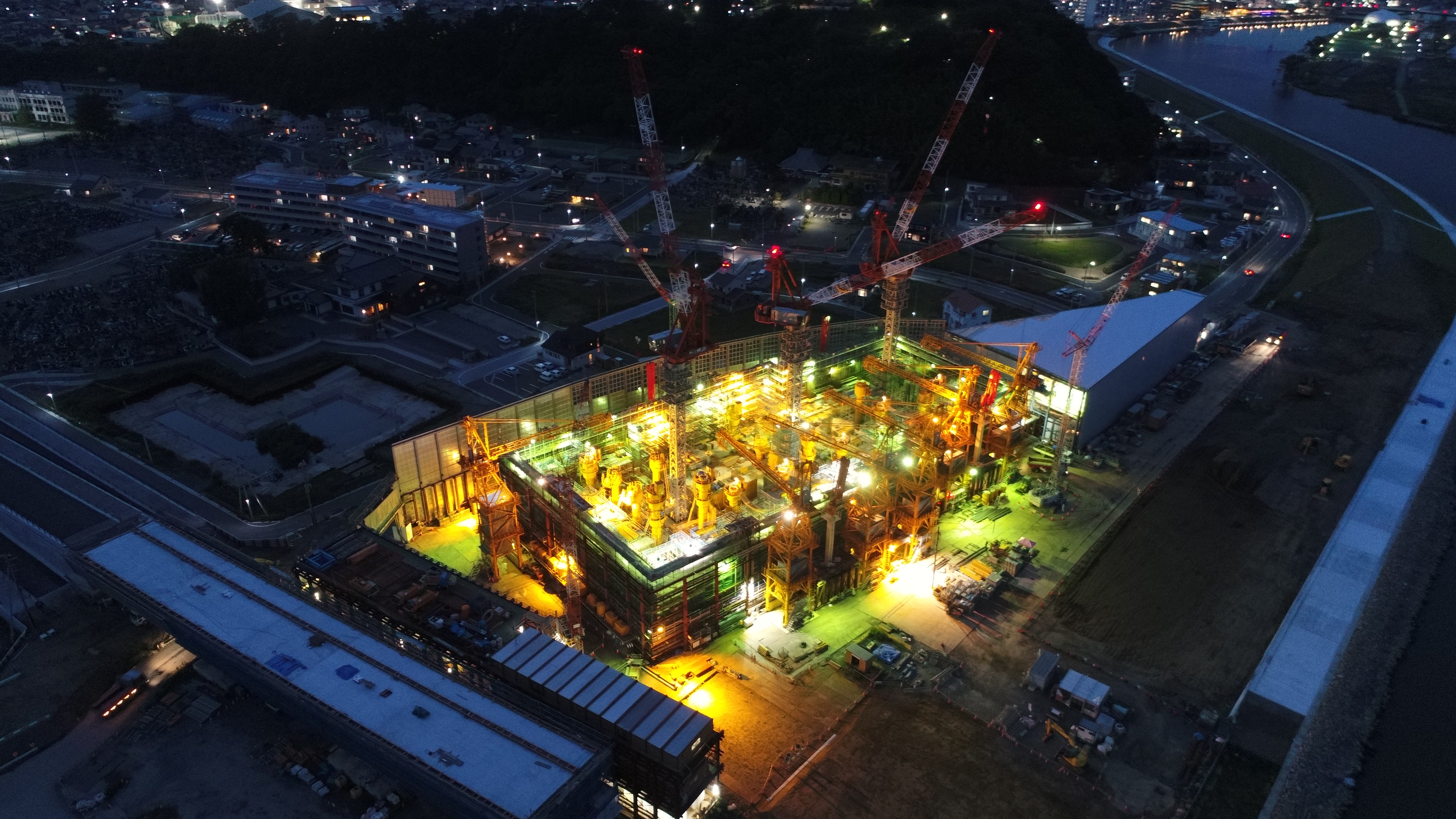
The significant renovation project has been conducted on the Metropolitan Expressway Inner Circular Route to open sky over the Nihonbashi River. The first phase of this project was the removal work of entrance and exit. To ensure safe traffic and maintain the soundness of the structures, various removal techniques were chosen under severe conditions. Certain straight girders were removed using jacks and barges, while others were attached with load-reducing mechanisms, dismantled into smaller pieces, and removed by crane. Curved girders were removed after the load was transferred to the barges using the river tides. This project provides valuable insights for future urban renewal projects.
4.Onagawa Nuclear Power Plant Tsunami-Wall Raising Construction - Construction of the Japan's Highest Level Tsunami-Wall based on the Latest Findings from the Tohoku Triple Disaster of 2011
- Tohoku Electric Power Co., Inc.
- KAJIMA CORPORATION
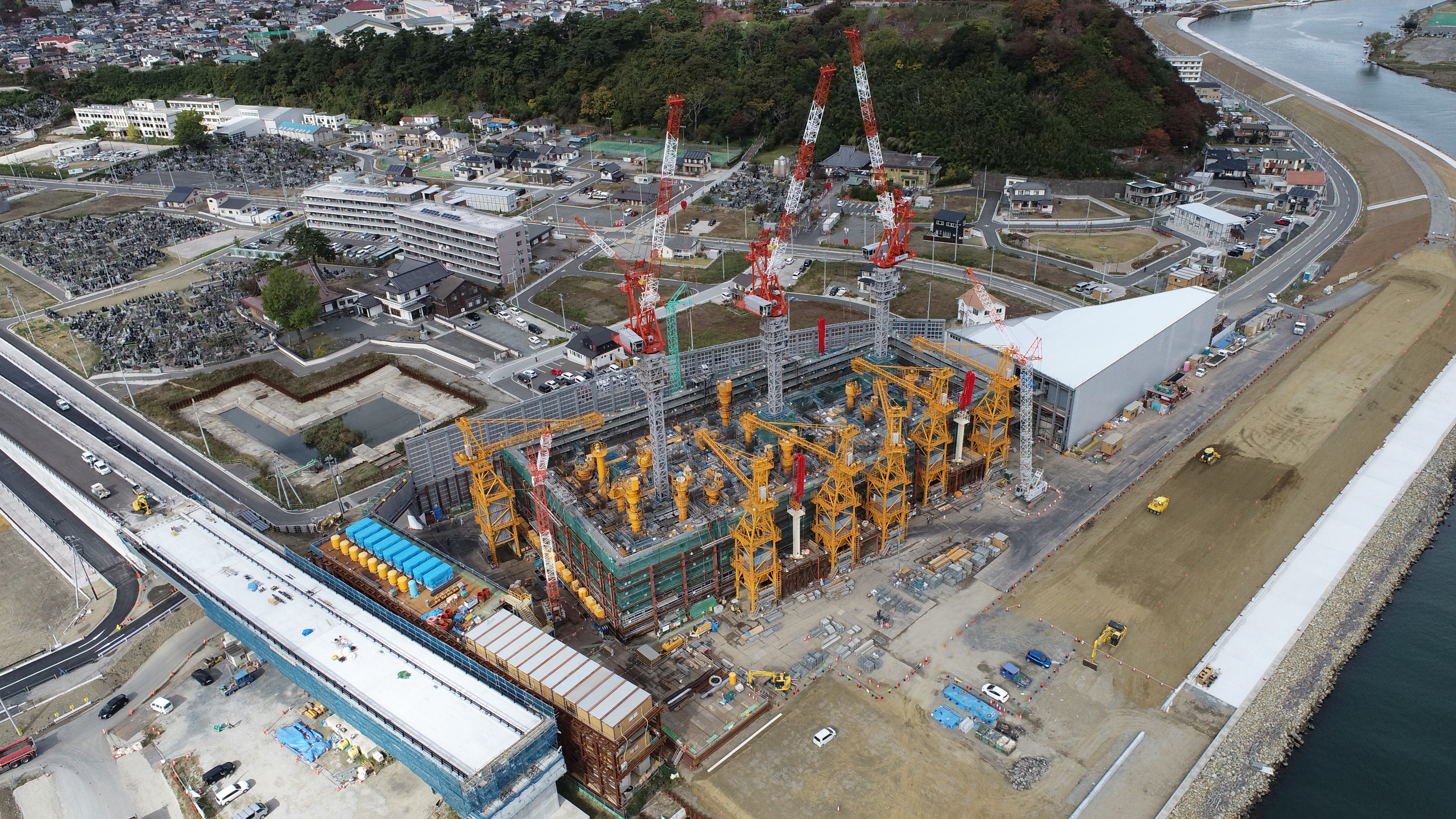
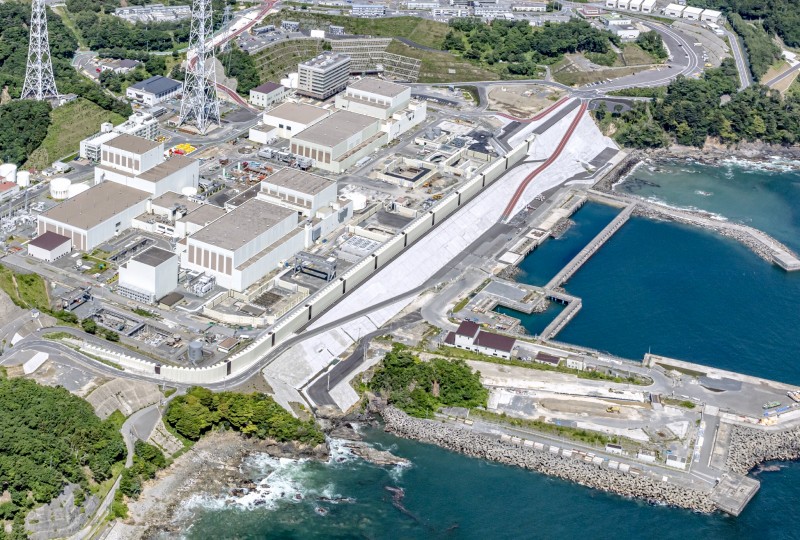
Onagawa Nuclear Power Plant, closest to the epicenter of the Great East Japan Earthquake, faced a seismic intensity of 6 lower and a 13.0m tsunami without severe damage. To prevent future nuclear accidents and enhance safety, the Tsunami-Wall, 29.0m high, 800m long, was constructed. Designed using the latest findings, it considered maximum acceleration of 1000gal, and tsunami height of 25m, ensuring safety against tsunami debris impact and liquefaction. In construction, various efforts were made to solve construction problems, such as the development of a frame for precise positioning of steel pipe piles. This project significantly contributes to civil engineering advancements and societal safety, earning recognition for a technical award.
5. The Oda River Confluence Relocation Project
- Ministry of Land, Infrastructure, Transport and Tourism, Chugoku Regional Development Bureau, Okayama Office of River.
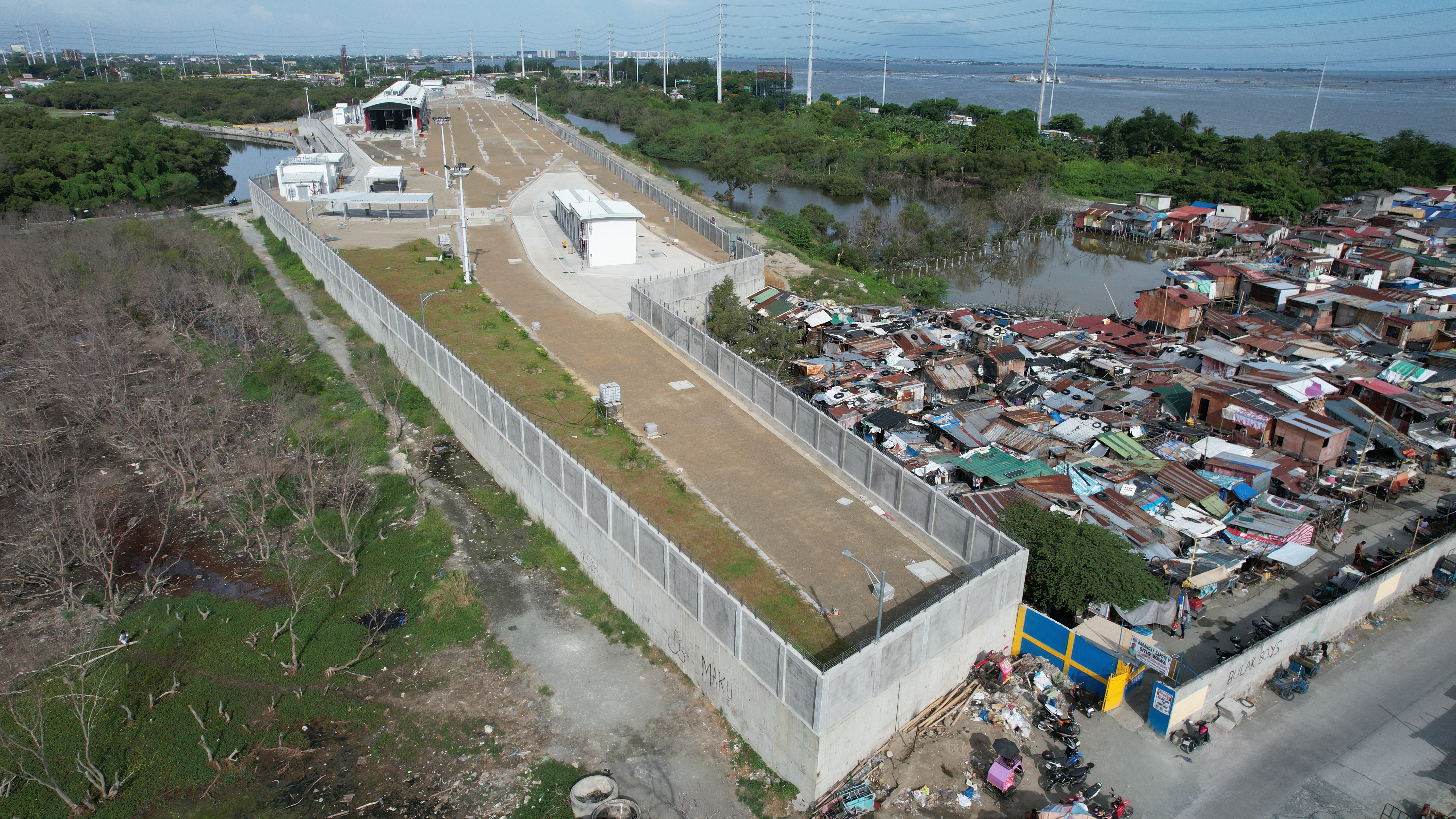
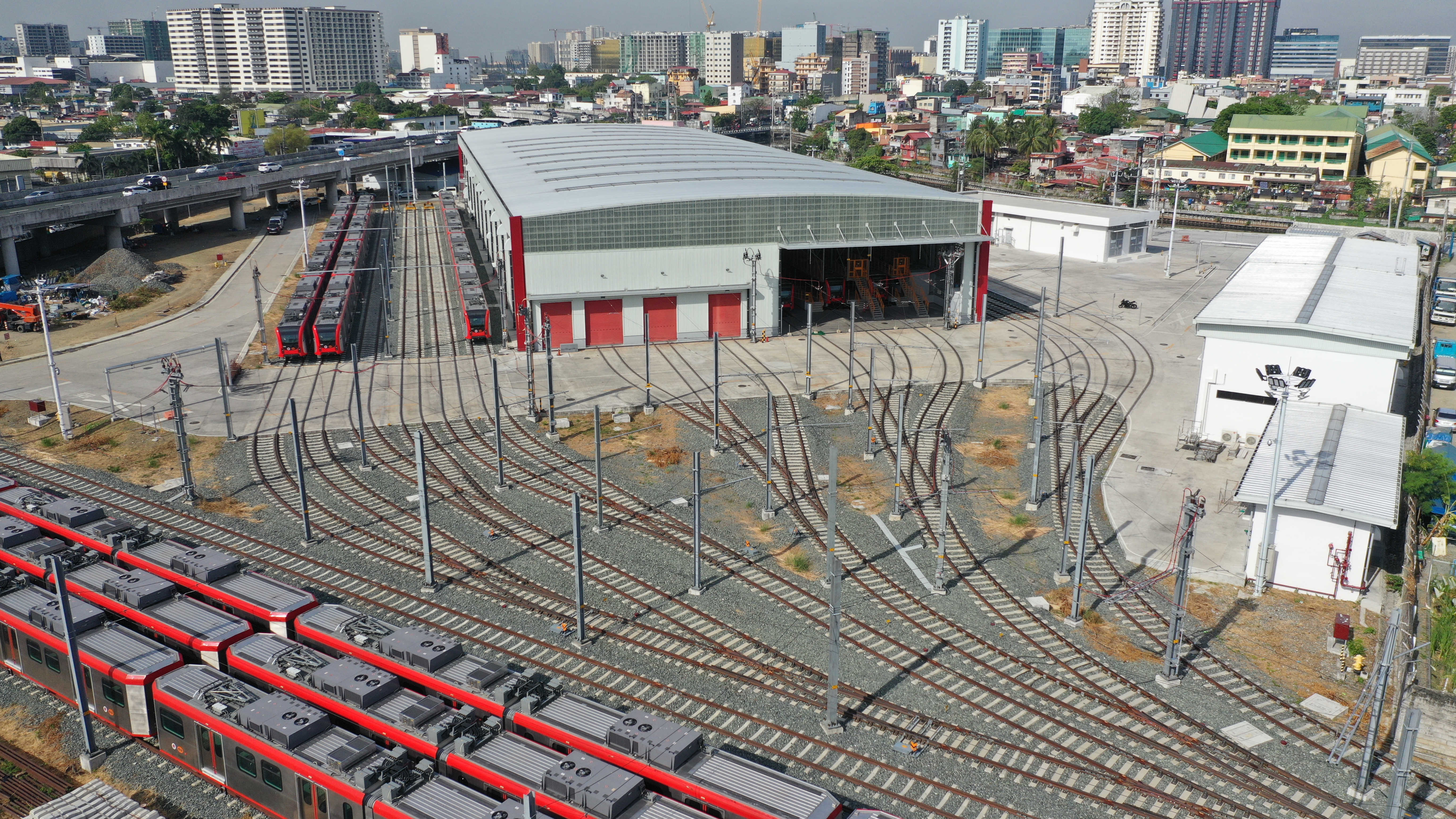
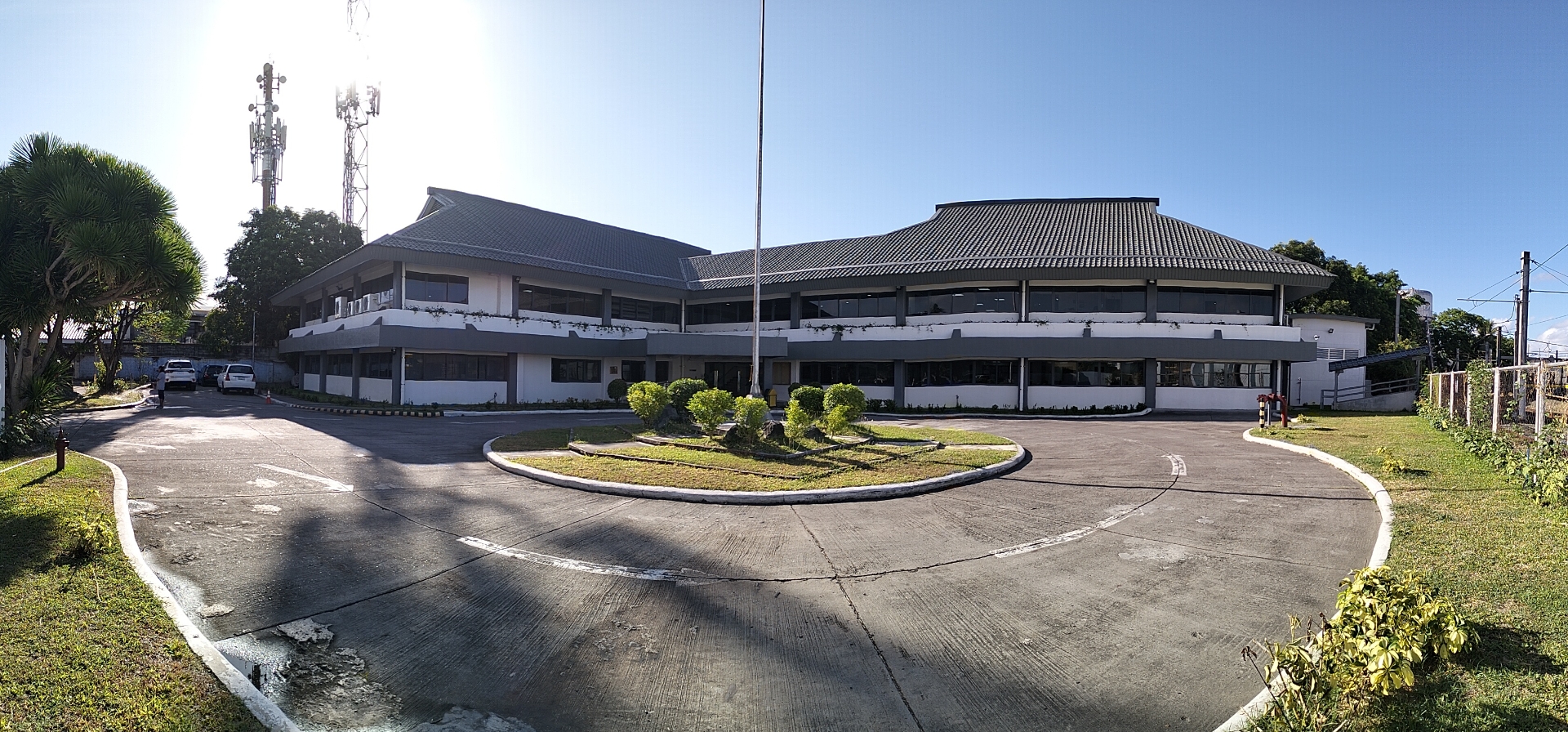
The Oda River Confluence Relocation Project aimed to improve the safety level of flood control for the surrounding areas by utilizing the existing Yanaibara Reservoir to relocate the confluence 4.6 km downstream, to cope with frequent flood damage caused by the backwater phenomena of the Takahashi River. With severe damage caused by the “Heavy Rain Event of July 2018,” the project was further accelerated by allocating an intensive budget. Through significant improvement of construction productivity by the introduction of large construction machinery and DX technologies, the project was further accelerated to be completed five years ahead of the target, which was highly contributed to the development of the local community. .
6.Kusaka River New Spillway Construction
(To keep safe and secure, revitalize Community)
- Ministry of Land, Infrastructure, Transport and Tourism, Shikoku Regional Development Bureau
- Kajima Co,
- Kumagai-Gumi& Daiho Construction Joint Venture
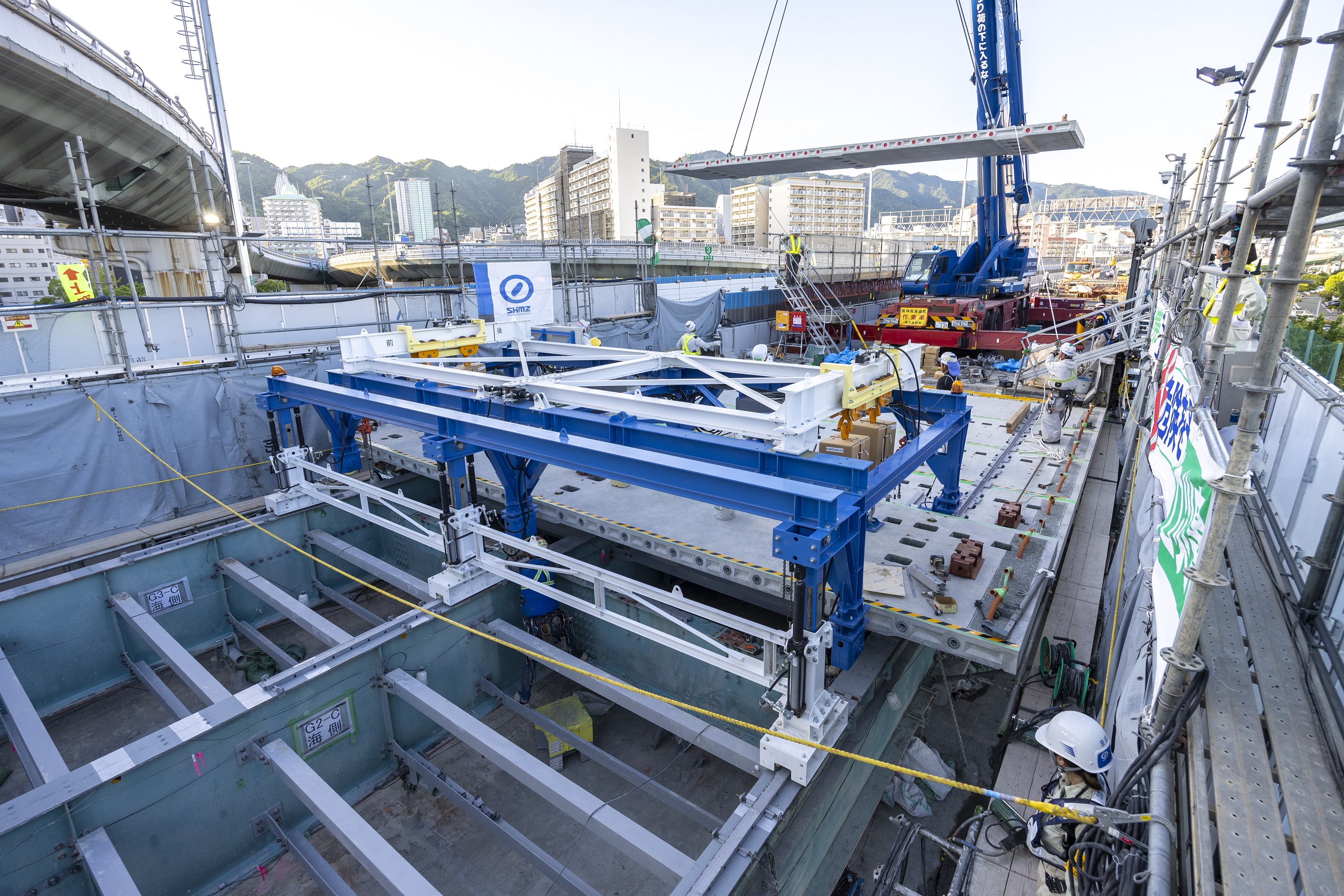
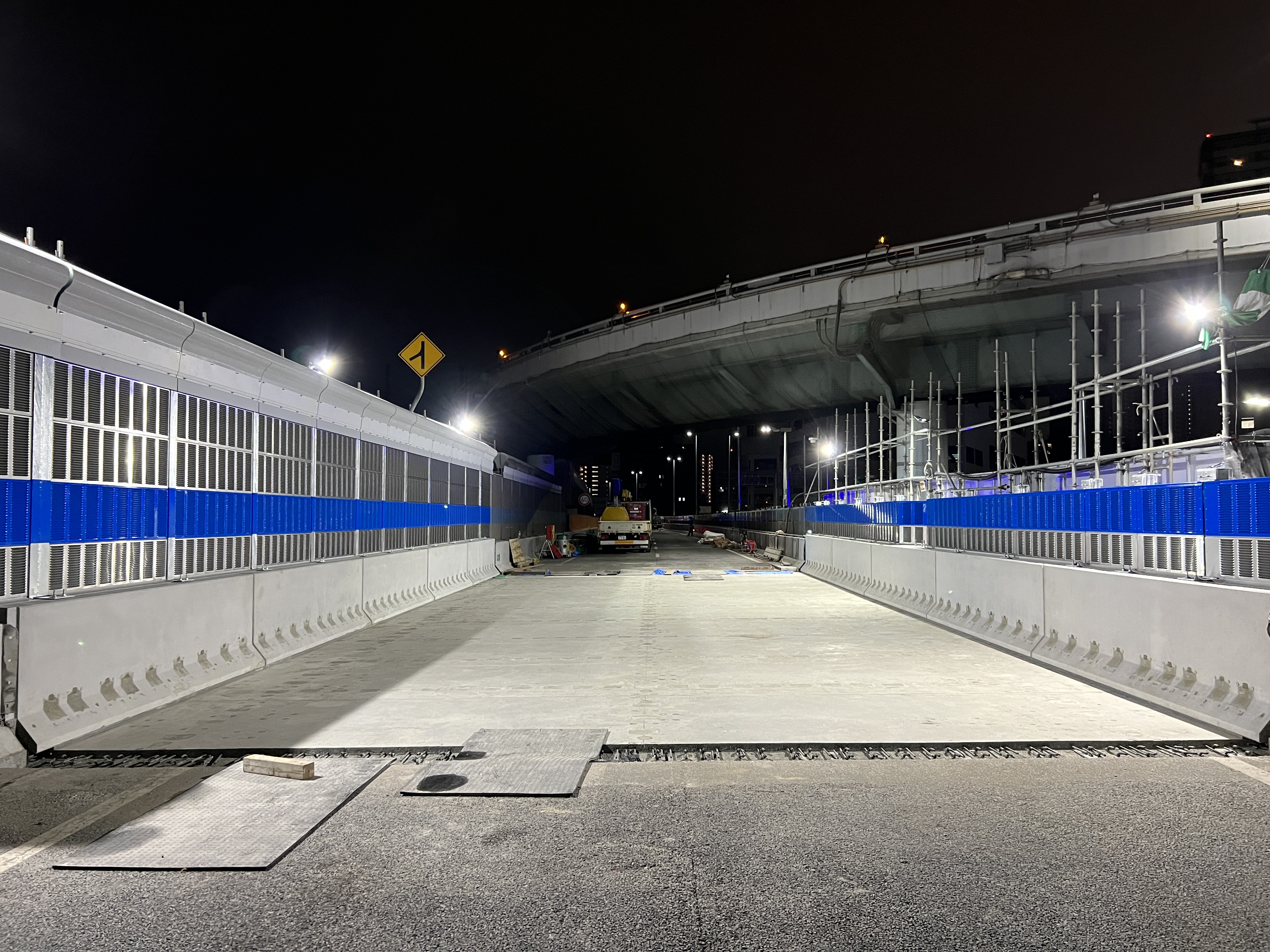
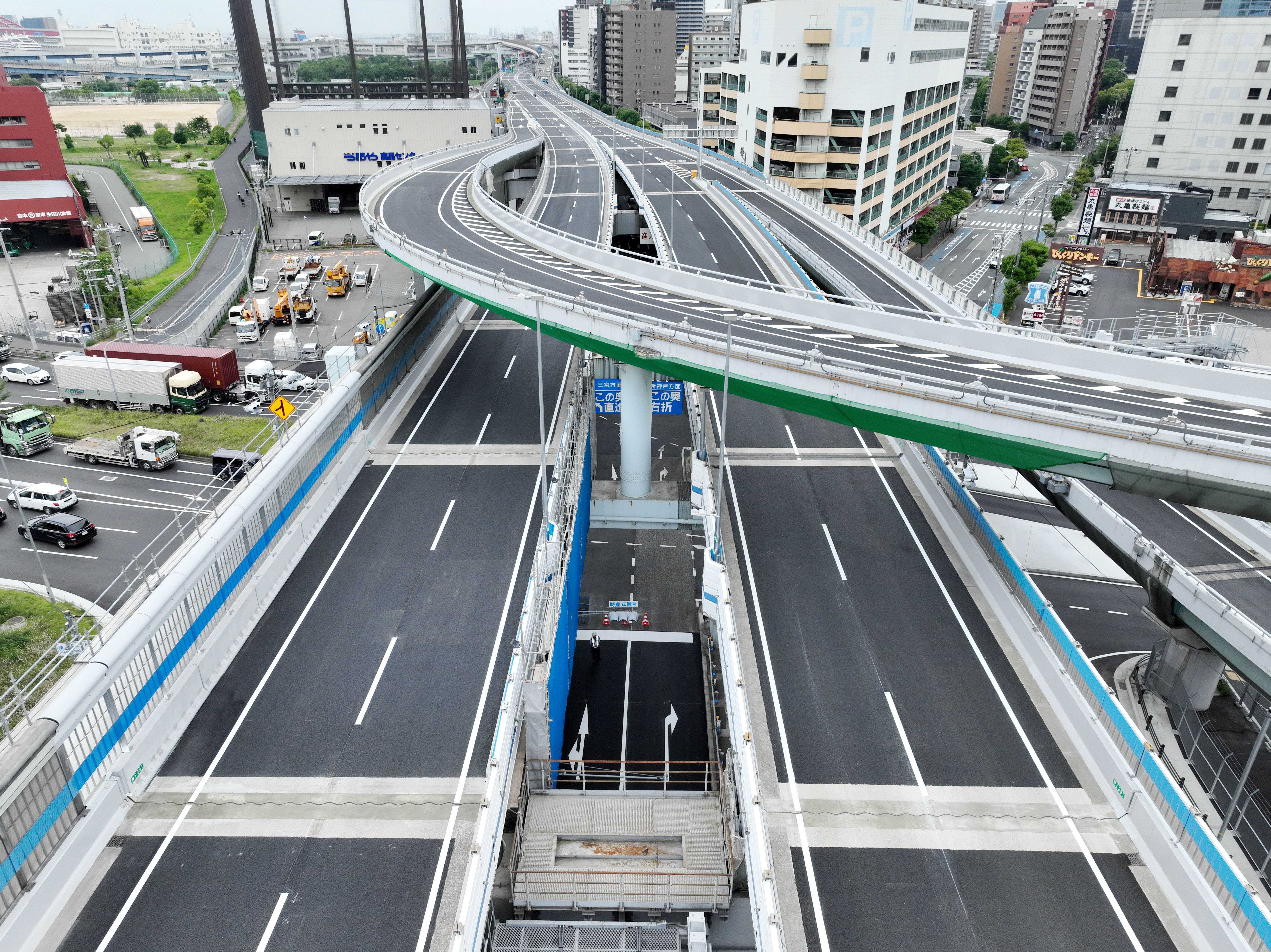
The Kusaka River basin is difficult for the river to drain into the Niyodo River during floods, causing frequent flooding damage. Despite of the operation of two spillway tunnels, a series of typhoons in August 2014 caused extensive flooding damage. Kusaka River New Spillway was planned in 2015 and completed in 2022. During the construction, challenges related to efficiency and safety in the narrow cross-section tunnel were overcome using new technologies. This spillway had eliminated floor-level inundation for the scale of flooding caused by the typhoons in August 2014. The project has been a success with many voices of joy from local community.
7. The interim storage facility project for the concentrated storage of removed soil and other materials resulting from decontamination activities within Fukushima Prefecture
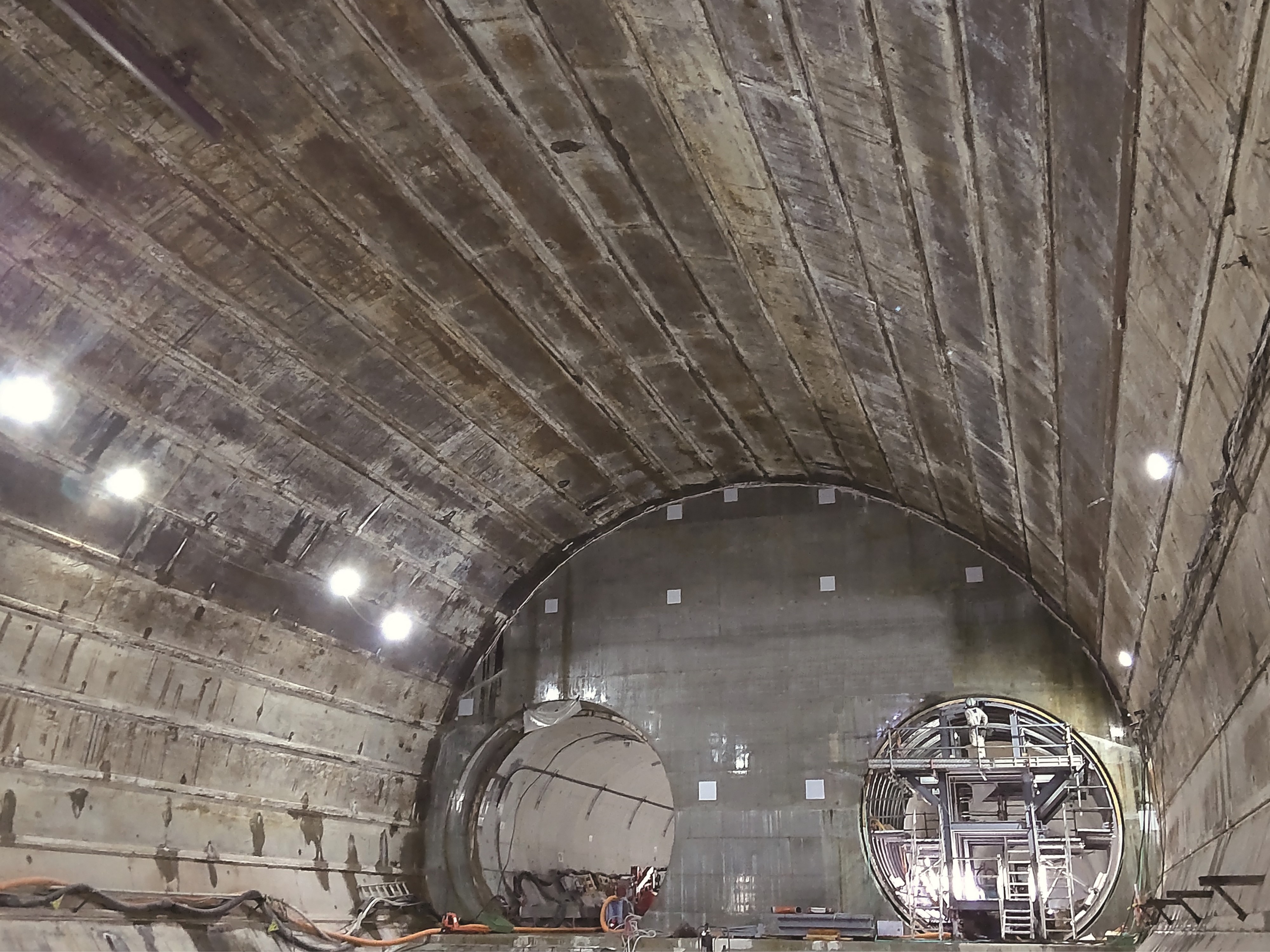
- Fukushima Regional Environmental Office, Ministry of the Environment
- 20 general contractor companies
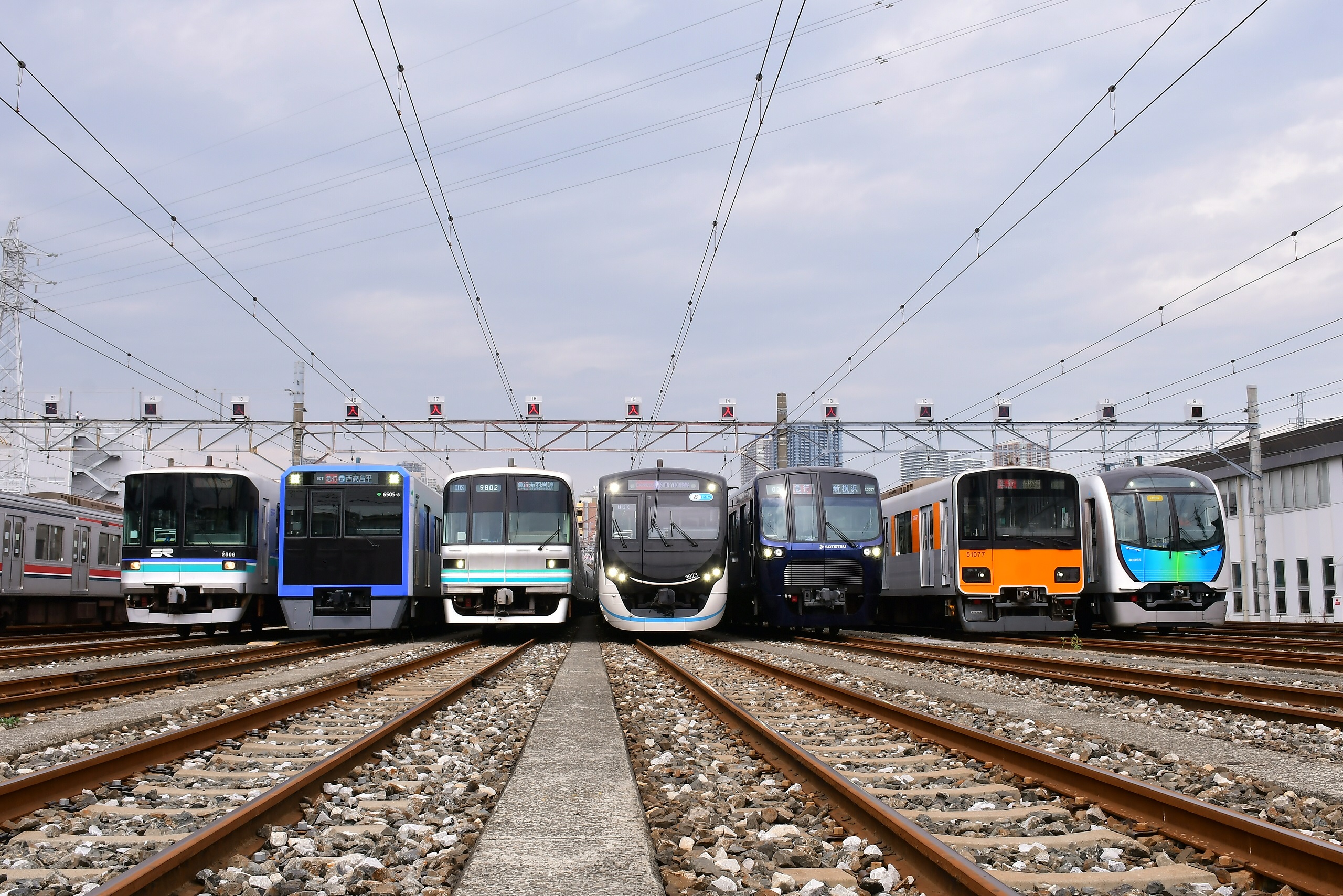
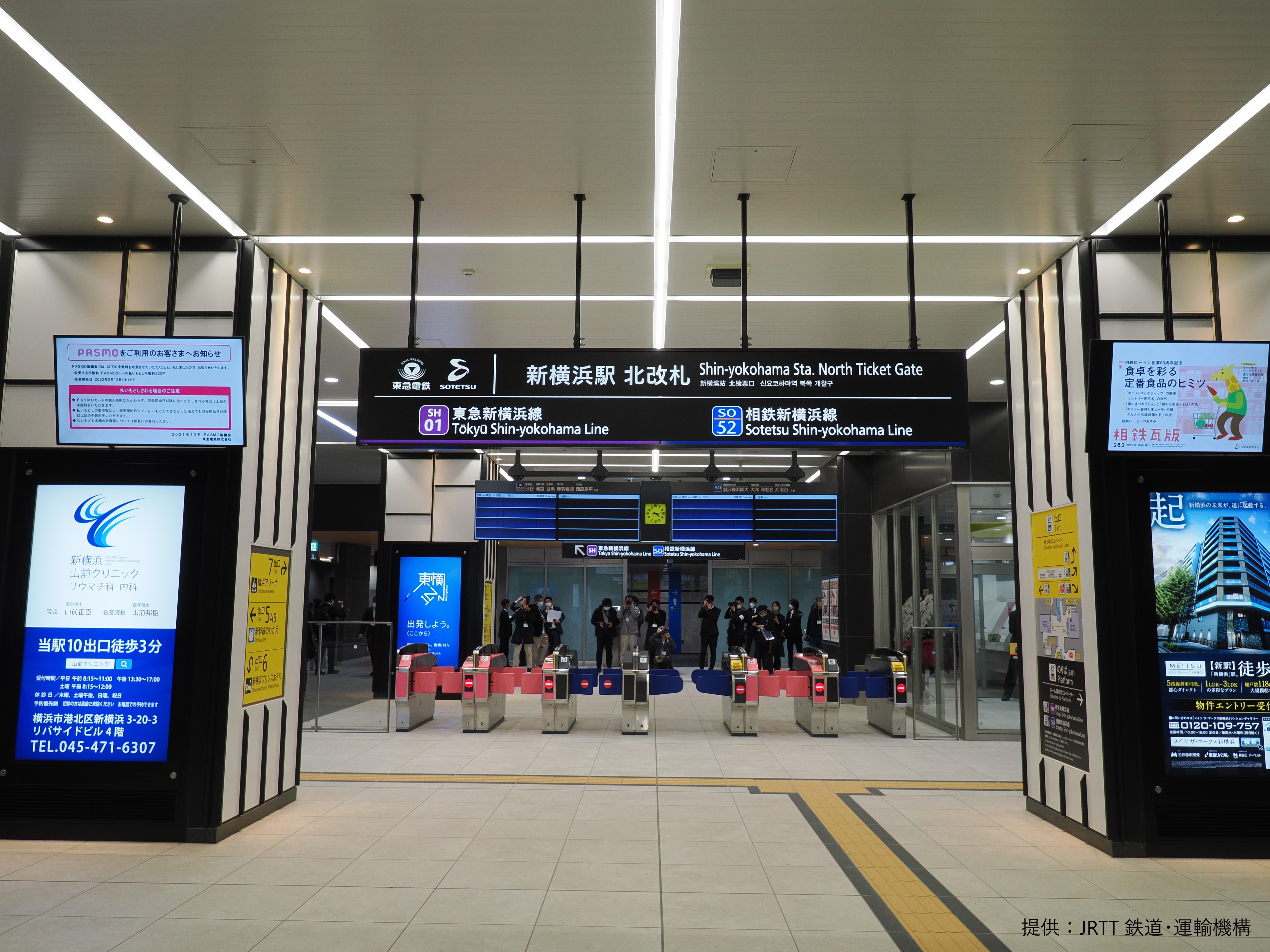
The interim storage facility project is an unprecedented global undertaking, which involves the development and operation of facilities that can safely and intensively store soil and waste generated from decontamination activities in Fukushima Prefecture until final disposal. This project is highly esteemed as worthy of an Outstanding Civil Engineering Achievement Award because it has generously contributed to the society, with the involved companies fulfilling a historic national role by constructing with a strong sense of social responsibility. Moreover, this project significantly contributed to the advancement of civil engineering technology.
8. Nacala Port Development Project (Phase I/II) in the Republic of Mozambique
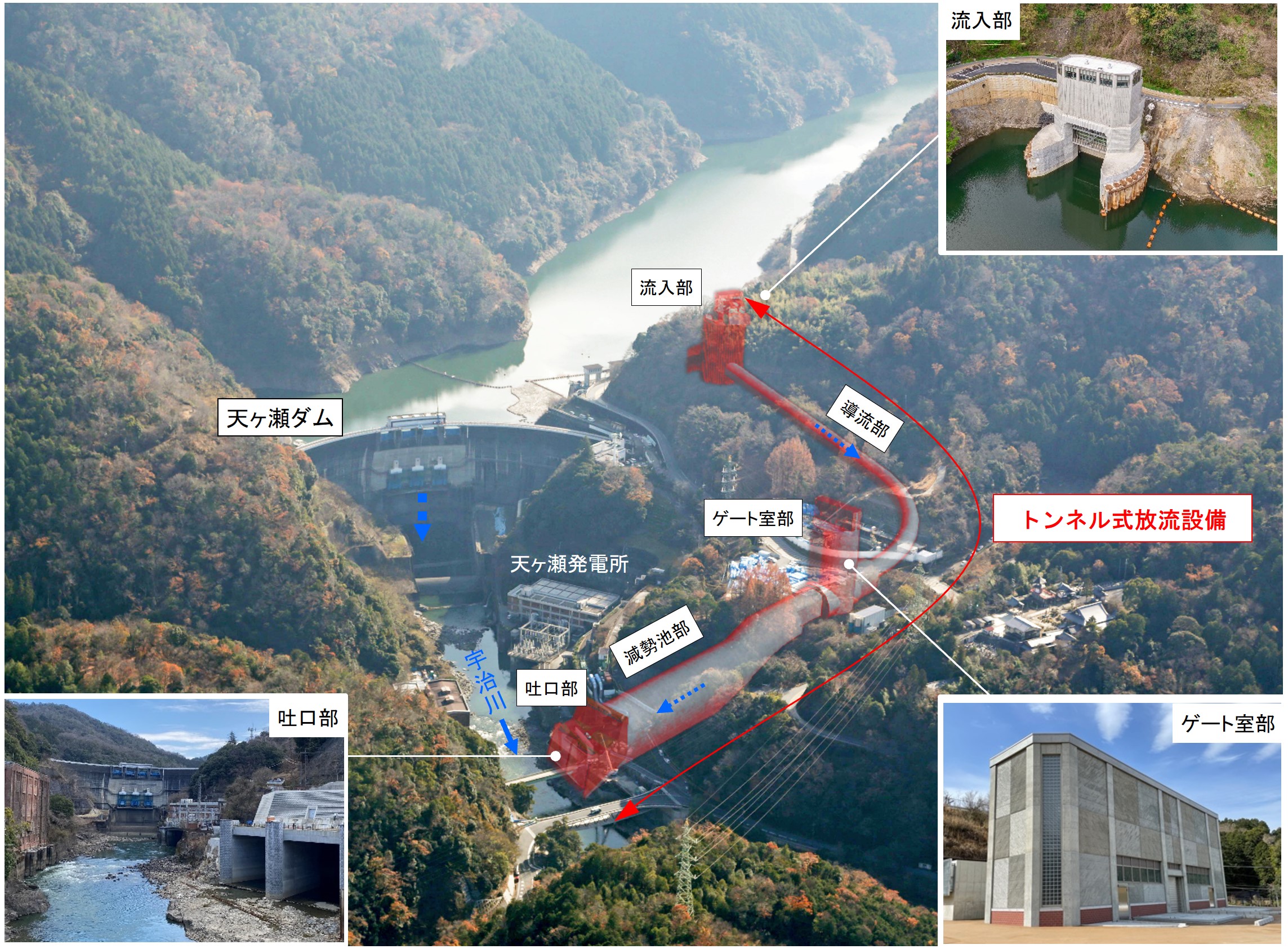

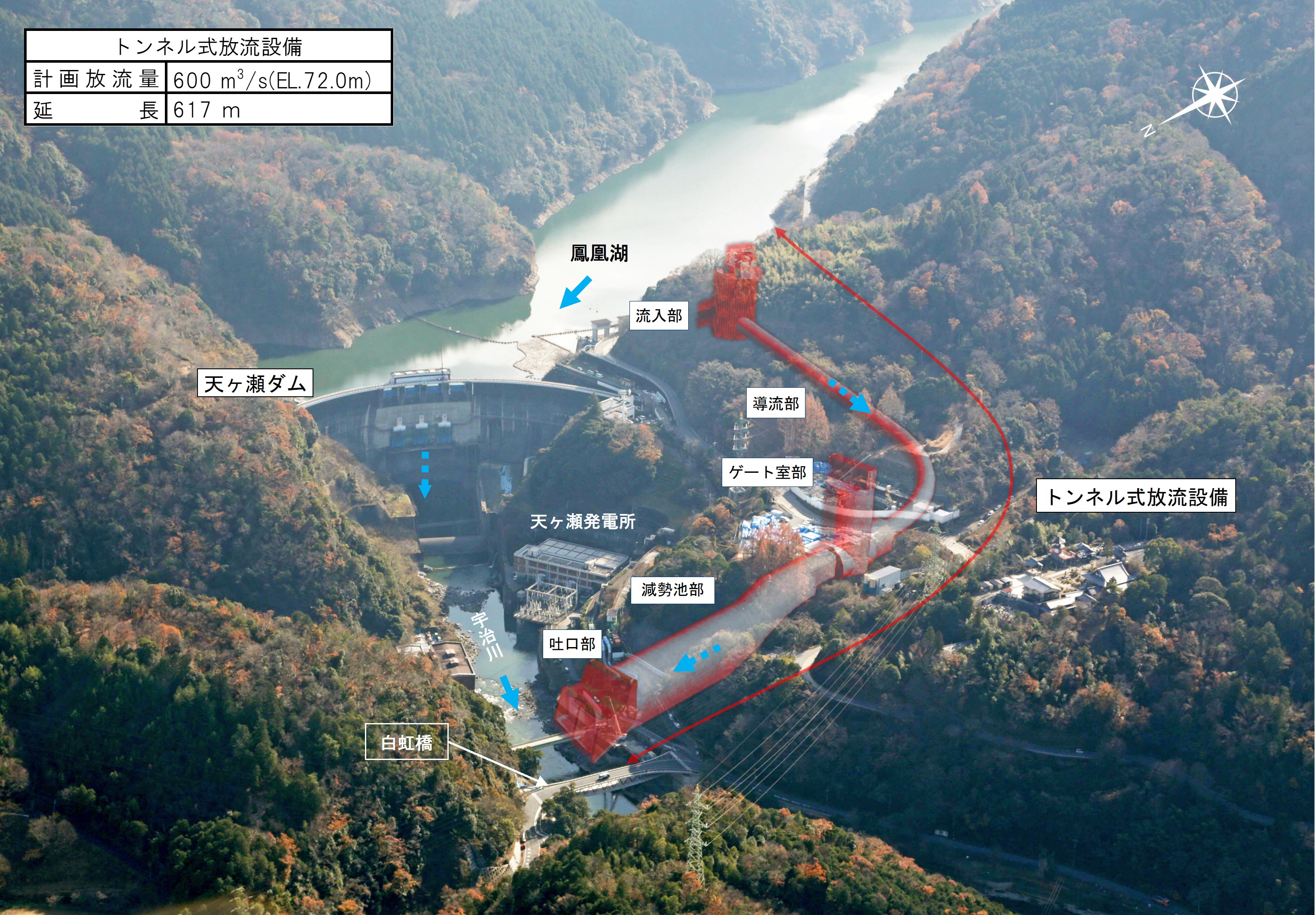
- Oriental Consultants Global Co., Ltd.
- ECOH Corporation
- Penta-Ocean Construction Co., Ltd.
- Toa Corporation Mitsui E&S Co., Ltd.
Nacala Port Development Project (Phase I/II) is a project to contribute the economic growth of the region as the gate of the economic corridor extending from Mozambique to neighboring landlocked countries by building port facilities and procuring the cargo handling equipment. The desired theme of the project is how to provide sustainable structures and equipment in countries in Africa by utilizing Japan's advanced technology. To meet this demand, the quay-wall is planned as SPSP structure, and the contaminated dredged material was removed by a closed grab bucket and sealed in a disposal site using special waterproof sheet piles and double waterproof sheets. For the procurement of cargo equipment, user-friendly features were incorporated, such as improved operability of the gantry cranes, an anti-sway function for suspended loads, and a remote monitoring system using web cameras. At the same time, initial education and training was provided for operators, thereby promoting the transfer of Japanese technology. For the project management, efforts are made to present solutions to tax issues and technology transfer methods to an international conference (PIANC), in order to contribute to the implementation of future projects in Africa.
9. Construction project of the Hokuriku Shinkansen connecting Kanazawa to Tsuruga - Strengthening the functions of interconnected urban areas in Hokuriku region and creating new exchanges with the three major metropolitan areas in Japan -
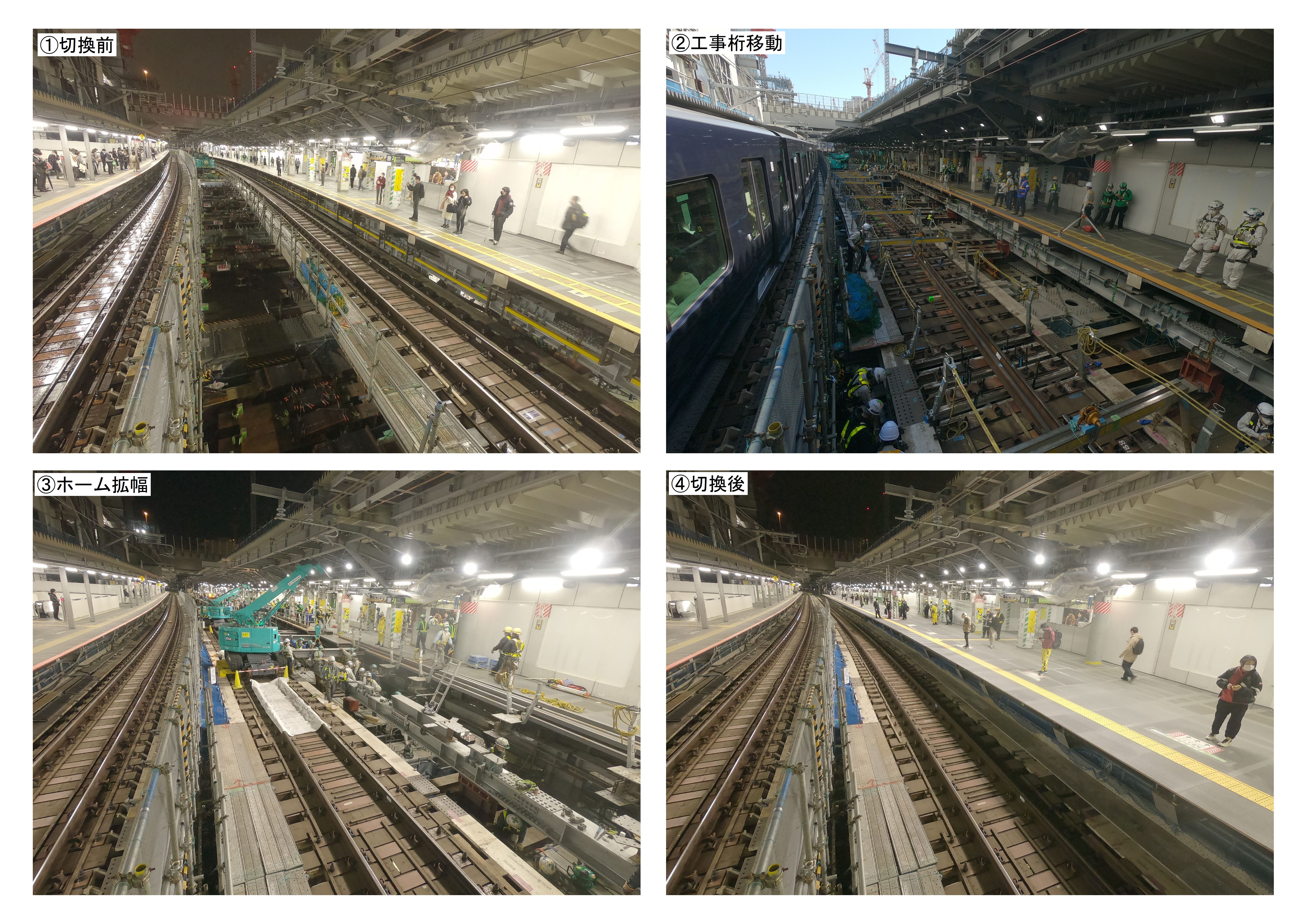
- Japan Railway Construction, Transport and Technology Agency
- West Japan Railway Company
The Hokuriku Shinkansen Project (connecting Kanazawa to Tsuruga) strengthened regional co-development in Hokuriku region by shortening travel time and ensuring stable transportation in winter snow. Specifically, this project has increased social mobility and induced new regional development and tourism. It also promoted interaction with the three major metropolitan areas, and strengthened the disaster-resilient nation by enhancing diverse options and alternatives of transportation. Furthermore, integrated promotion with local traffic construction projects such as road-cum-rail bridge contributed to accelerating the development of the region's transportation network. In addition, we have developed many of state of the art technologies in the railway field.
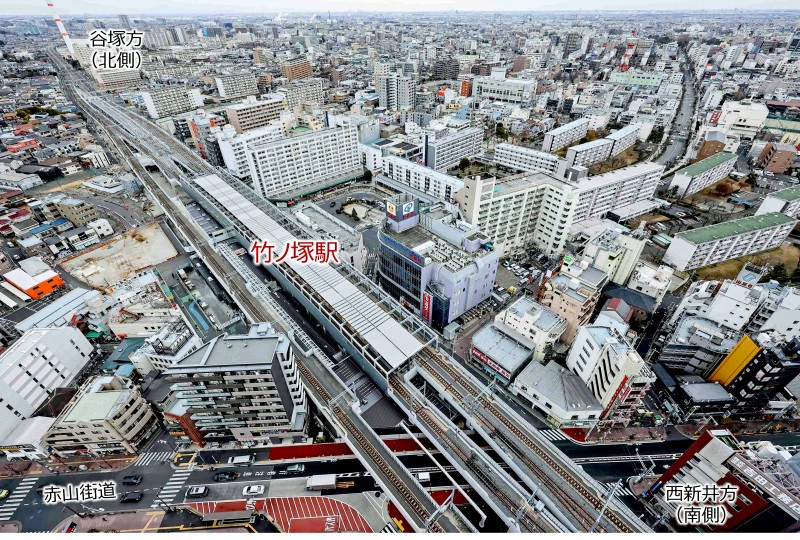
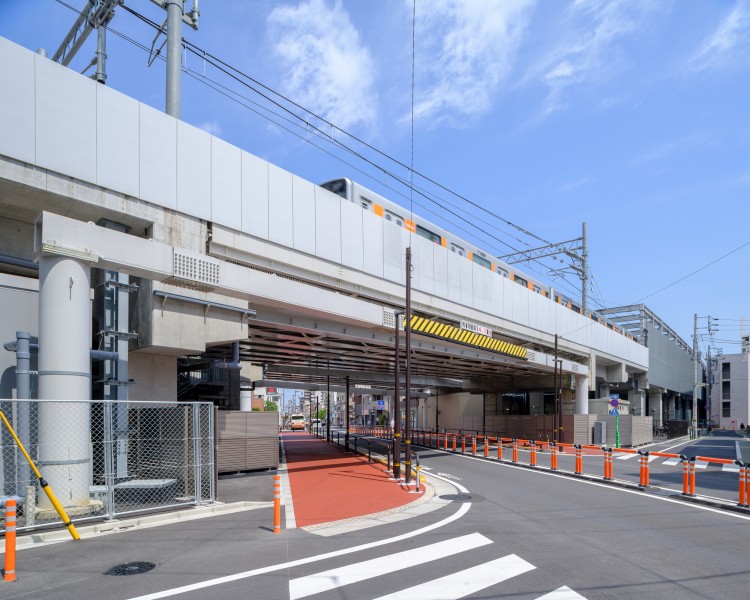
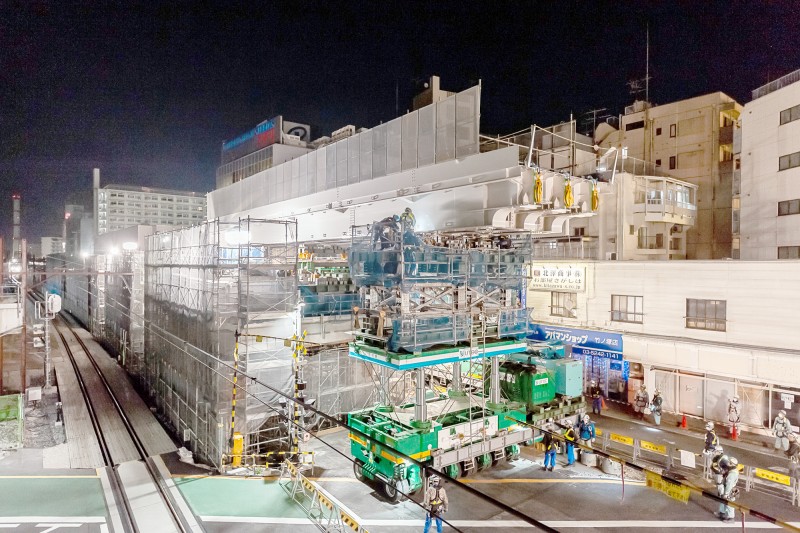
10. Railway Elevation Near Takenotsuka Station on the Tobu Isesaki Line (First Time a Special Ward is the Project Leader, Achieving Early Elimination of Level Crossings with Mini-Overpass Adoption)
- Tobu Railway Co., Ltd.
- Tokyu-Tobu Construction Joint Venture Taisei-Tobu Construction Joint Venture Kajima-Tobu Yachida-Kumagai-Totetsu Construction
- Joint Venture Obayashi-Tobu-Tekken-Toda Construction Joint Venture
- Higashi-Nihon Sogo Keikaku Co., Ltd.
This project, led by Adachi Ward, aimed to eliminate the "unopenable level crossing" that was closed for up to 57 minutes during rush hours. To maintain road network functionality, a redesign of entry and exit routes was necessary due to the challenging vertical alignment of the line connecting the Tokyo Metro depot and the elevated station. The project adopted a "mini-overpass" method to limit clearance under the overpass, ensuring passage for emergency vehicles. Measures were taken to minimize impact on routes and address soft ground conditions during construction. This project was recognized for its contribution to societal and technological development and received a technical prize.
11. Kumamoto No. 57 Taki-murozaka Tunnel (Tunnel construction technology that overcame fragile ground and massive water inflow in the Aso Outer Rim Mountains)
- Kumamoto Office of Rivers and National Highways, Kyushu Regional Development Bureau, Ministry of Land, Infrastructure, Transport and Tourism
- Joint Venture of Taisei Corp and Sugimoto Construction Co. Ltd.
- Joint Venture of Shimizu Corp, Tokyu Corp and Mori Kogyo Corp.
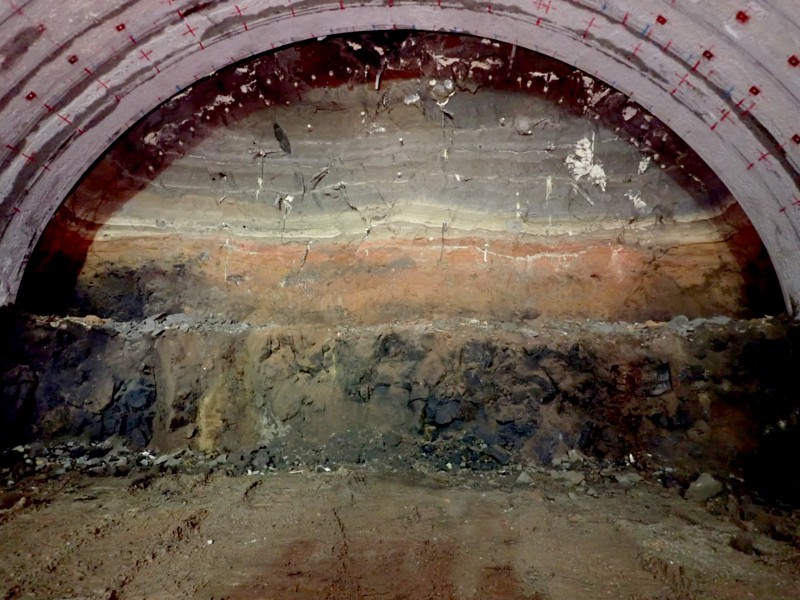
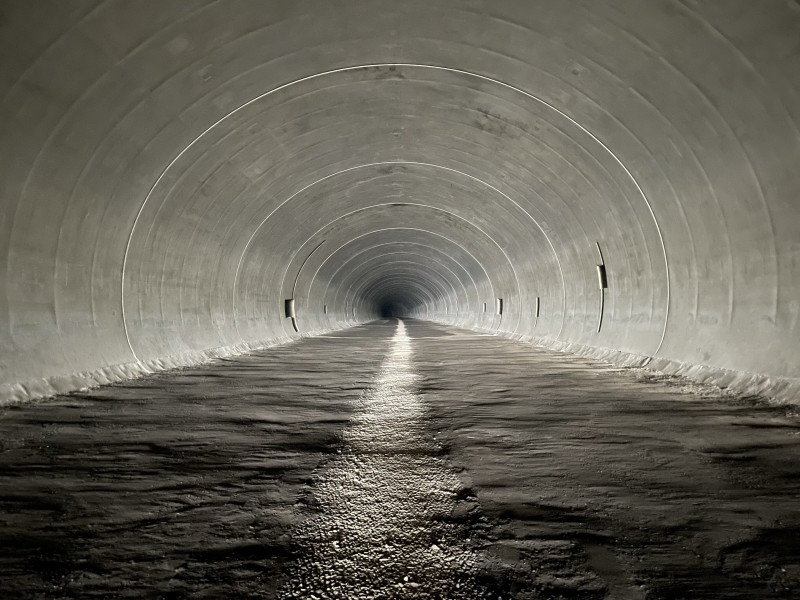
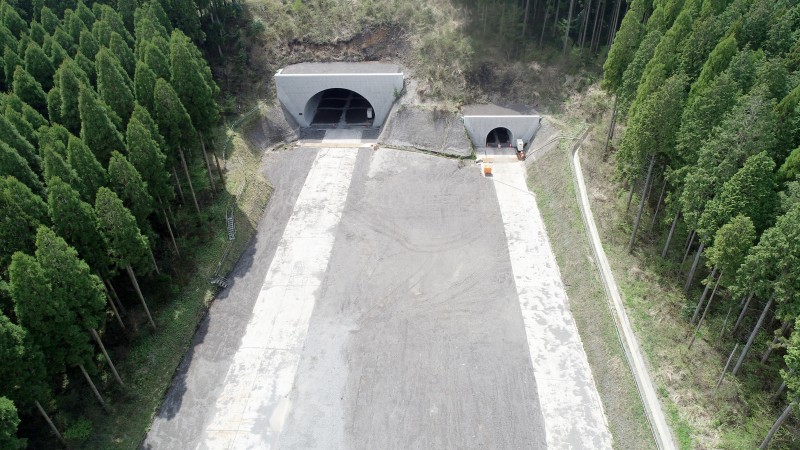
The Takimurozaka Road on National Route 57, part of the Naka-Kyushu Transverse Road connecting Oita Prefecture and Kumamoto Prefecture, aims to secure an alternative route during disasters and improve traffic by bypassing the Takimurozaka Pass through a tunnel. The Takimurozaka Tunnel crosses complex geology with abundant groundwater, necessitating measures for excavating weak ground and water inflow. The client, contractor, and technical committee collaborated to address these issues. For weak ground sections, early closure and supplementary methods were employed, along with leg piles and drainage boring. In sections where significant groundwater inflow was anticipated, the use of multiple advanced probing techniques, including new technologies, allowed for the identification of the locations of impervious layers, enabling the project to be completed appropriately.
12. Ochanomizu Station Redevelopment (Enhancing Station Plaza Functionality and Barrier Free Accessibility with Local Partnership to overcome constraints)
- East Japan Railway Company Tokyo Metropolitan Area Construction Project Management Office
- KAJIMA CORPORATION and TAISEI CORPORATION Joint Venture
- TOTETSU KOGYO CO., LTD.
- FaB-Tec Japan Corporation KOMAIHALTEC Inc.
- JR East Consultants Company
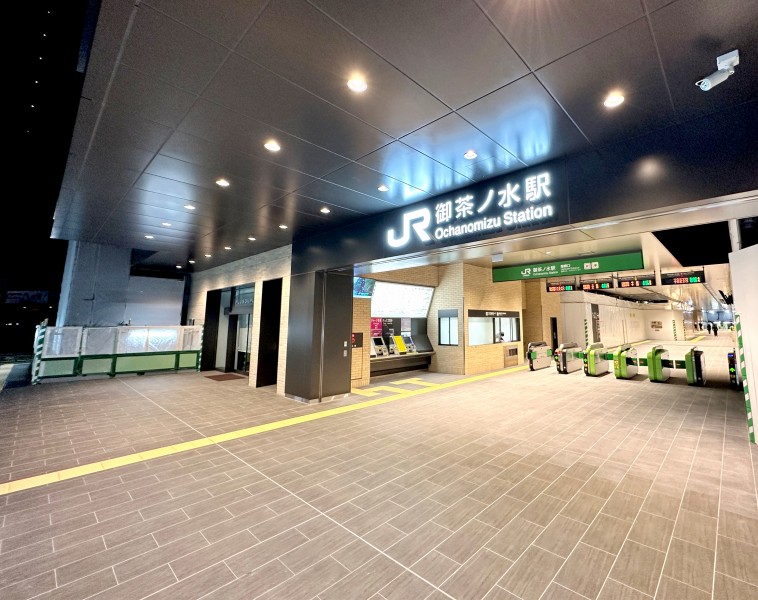
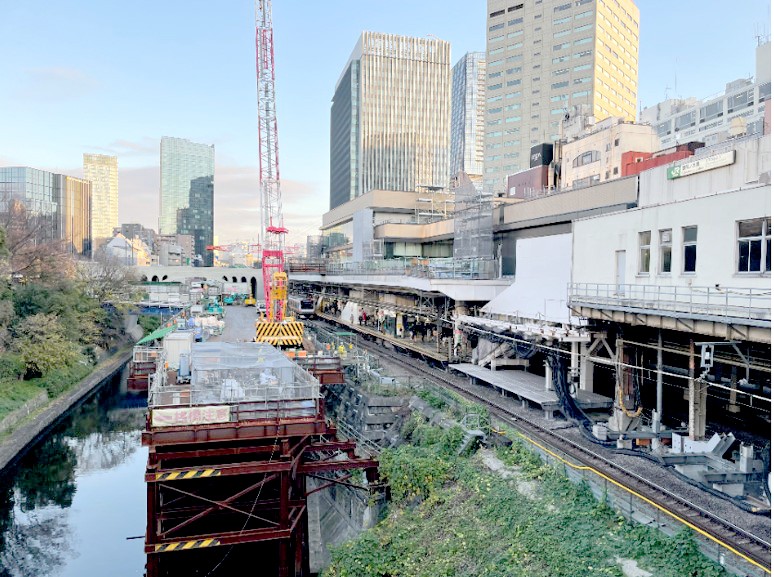
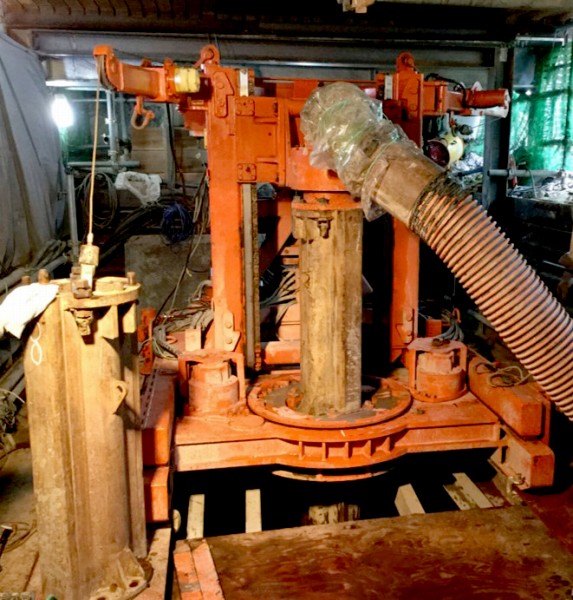
The Ochanomizu Station Redevelopment, initiated based on Chiyoda Ward's 2006 urban development plan and requests from nearby hospitals, involved constructing an artificial ground above the tracks, barrier-free movement, easing platform congestion, enhancing station plaza functionality, and seismic reinforcement. The project faced accessibility challenges due to presence of platform between road and river with elevation difference from both. To address this, riverbed was dredged to install a temporary pier. An ultra-low head excavator was used for pile construction under platform without obstructing narrow platform, additional staircase were also installed to reduce congestion. The renewed Hijiribashi Exit and a part of the station plaza began operation in December 2023.
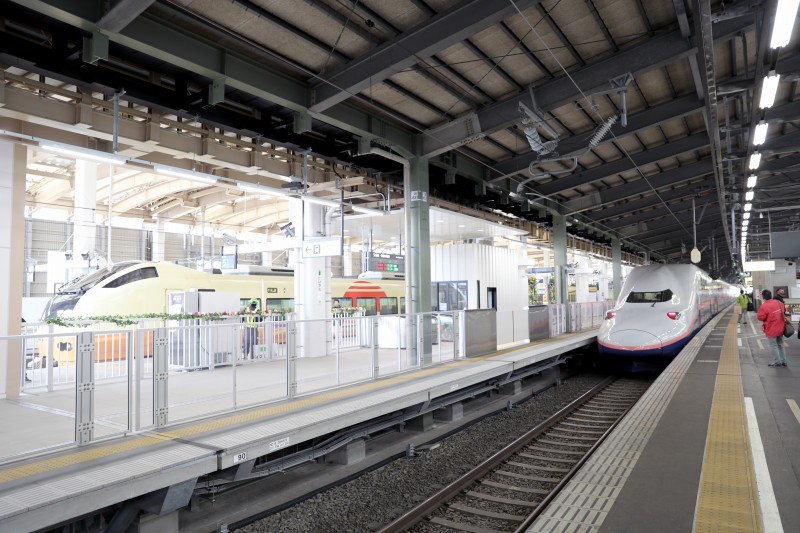
13. Niigata Station Area Development Project Centered on Grade Separation of Roads and Railways
- East Japan Railway Company Tokyo Metropolitan Area Construction Project Management Office
- KAJIMA CORPORATION and TAISEI CORPORATION Joint Venture
- Niigata City East Japan Railway Company Joshinetsu Area Construction Project Management Office
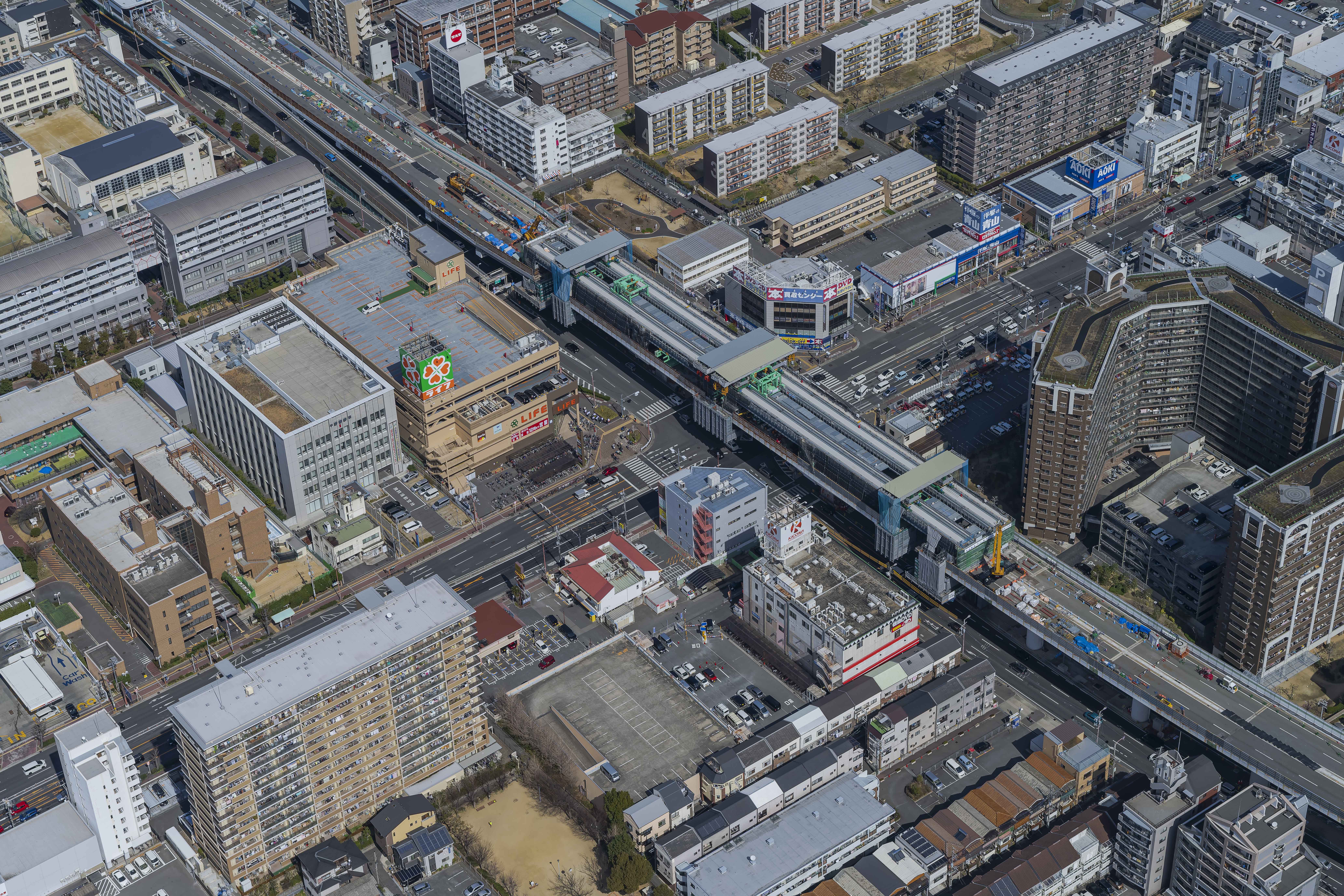
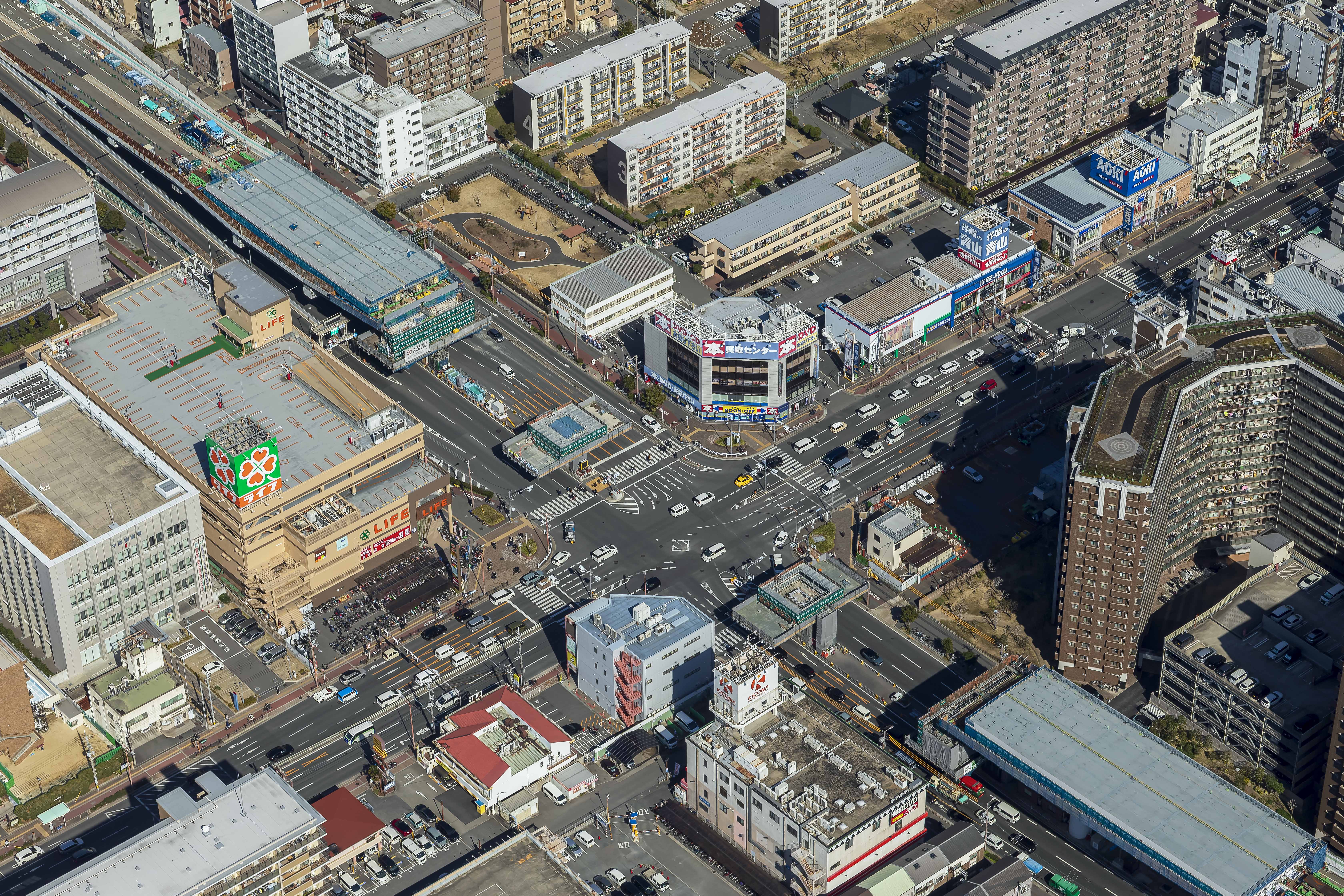
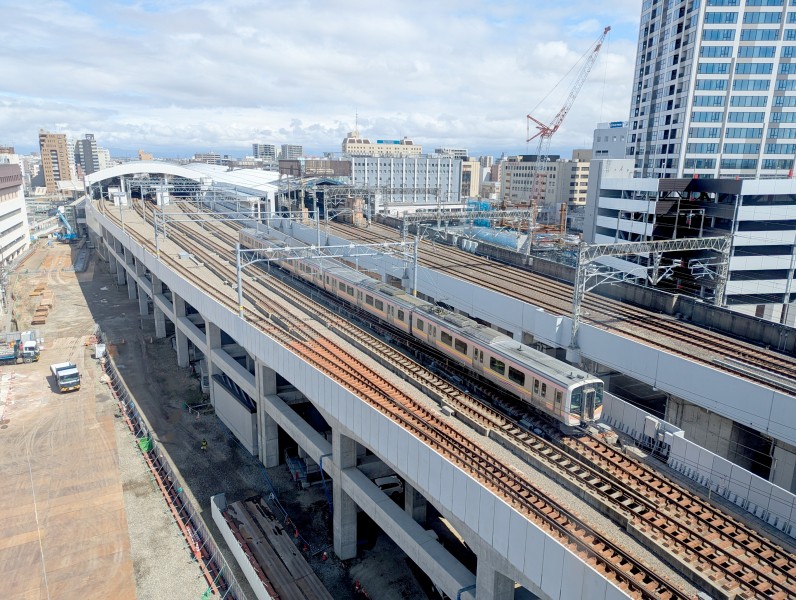
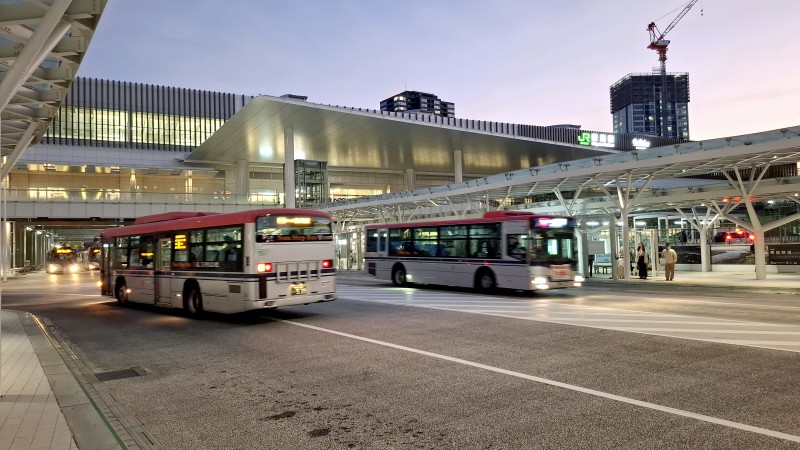
Niigata Station Area Development Project consists of three projects: elevated railway tracks, trunk road construction, and station square development. The railway line has been elevated for about 2.5 km around Niigata Station. This large-scale construction project took 18 years to complete. Construction started in 2006, all railway tracks had been elevated by 2022, and the main railway construction was completed in 2024. The project adopted civil engineering technologies suited to regional conditions, such as establishing technology to suppress Alkali-Silica reactions on concrete viaducts and designing track structures suited to snowy regions. The project involved removal of level crossings, the construction of urban planning roads, the construction of a bus terminal directly below Niigata Station viaduct, and the realization of transfers between the Shinkansen and conventional trains on the same platform.
Outstanding Civil Engineering Achievement Award

